
pictures
blog posts
search
classification:
Gaviiformes
Podicipediformes
Pelecaniformes
Ciconiiformes
Phoenicopteriformes
Anseriformes
Falconiformes
Galliformes
Gruiformes
Charadriiformes
Pterocletiformes
Columbiformes
Cuculiformes
Strigiformes
Caprimulgiformes
Apodiformes
Coraciiformes
Upupiformes
Piciformes
Passeriformes
Degeres. The foothills of Ile Alatau.
2009-04-10| Askar Isabekov
It's one of the rare sunny days in a rainy spring. All the foothills are covered with green grass and blooming apricot trees. There are busy Jackdaws and resting Rock Pigeons and Mynahs around the holes in clay steeps. Common Starlings are not met often but catch our eyes every time. We saw many Rooks. Large and well noticeable birds collect in nesting settlements at wayside elms, or follow the plowing tractors. We saw a few small birds yet, one Stonechat on the wire, Masked Wagtails here and there in villages, and many singing Corn Buntings on wires and trees. It's rather early for most of small Passerines.
As usual in the foothills, birds of prey were represented mainly by Long-legged Buzzards resting on telegraph poles or soaring. We saw Kestrels, four singles and one pair. A Greater Spotted Eagle, whom we diverted from its meals, filed away, but did not abandon the prey, carrying it in pounces.
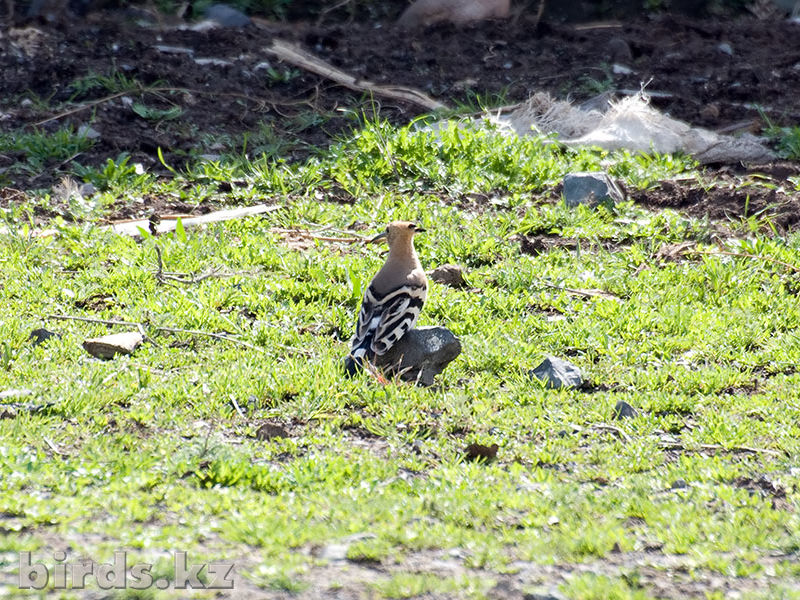
In Sunkar we met a Hoopoe, the first in this year. Many small brooks flow from the mountains beyond Sunkar. The soil is washed here and there, and there are many holes made by Sand Martins in clayey steeps. But there are no Sand Martins yet. Tree Sparrows, Starlings and Isabelline Wheatears are fussing around the holes. All birds collect nesting stuff. For Isabelline Wheatears it's a pairing time.
Degeres. In the settlement itself a rushy pond gives shelter to Mallard Ducks, Moorhens and a Pheasant's hen. Many Chiffchaffs flit in the reed. The pass is windy and probably that's why it's cool here. The voices of Chukar Partridges could be heard now and then. They caught our eyes several times and once they flew from one slope to the other. A male of Pied Wheatear showed his face warily and flew away. Two females of unidentified Redstart dashed about in shrub. The silence in the gorge is rarely interrupted by shouting pods of Linnets flying but and ben. The Linnets drank water from the puddles on the road. One sang sitting on top of the road sign. A couple of times we saw a Sparrowhawk slowly flying by. From time to time, a Long-legged Buzzard and a Kestrel showed up. To all appearances, these are local birds, living not far from rock breaks, but the flock of four Black Kites we saw was most probably on the flight.
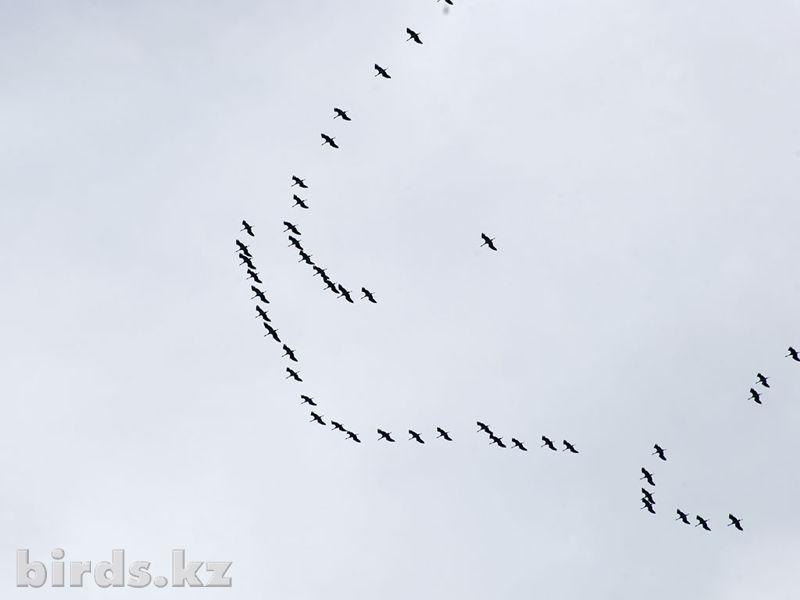
Four flocks of calling Demoiselle Cranes flied over high in the sky. Three of them flew strait to the East, forming several distinct wedges. The fourth one, though moving north-east, looked amorphous, often switching to spinning. They probably waited for the tail-wind. In a time the flock formed several wedges and left.
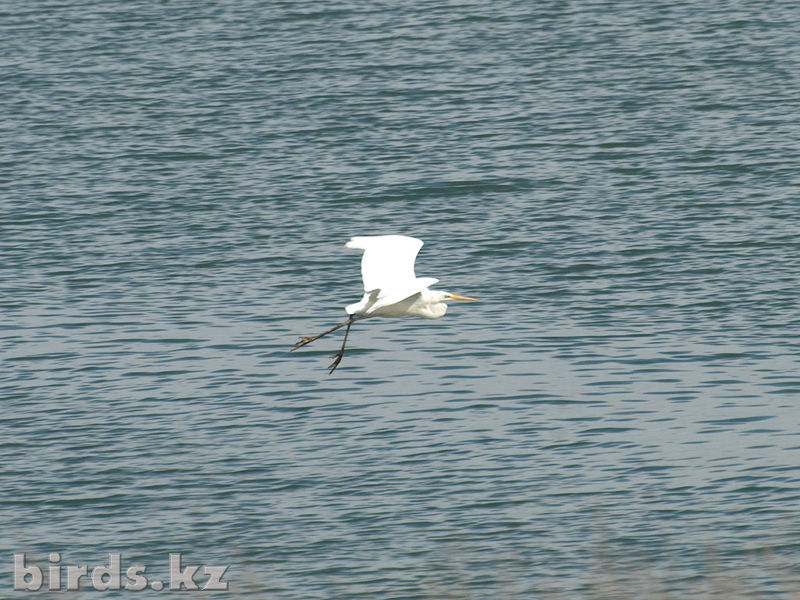
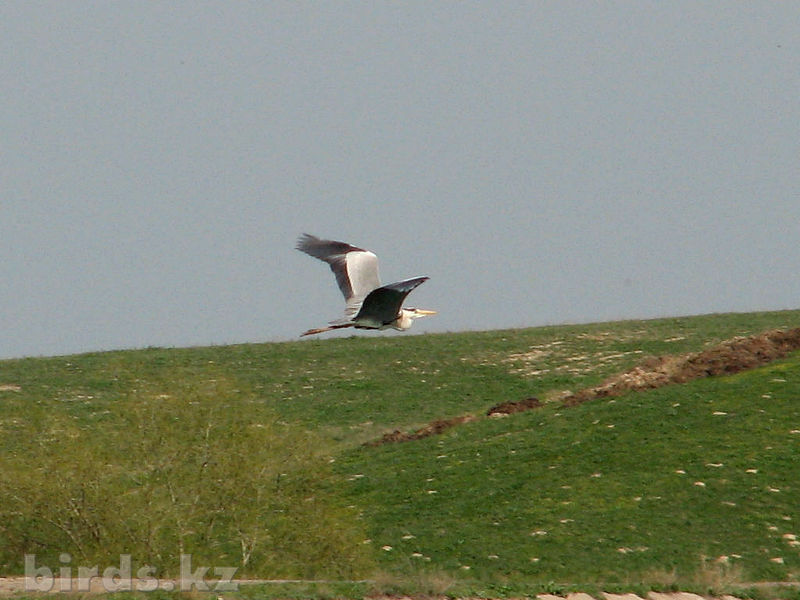
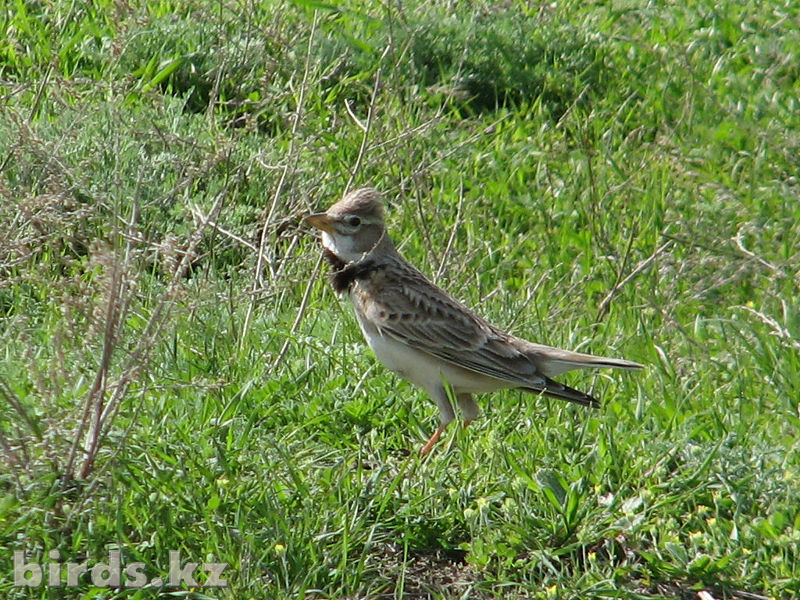
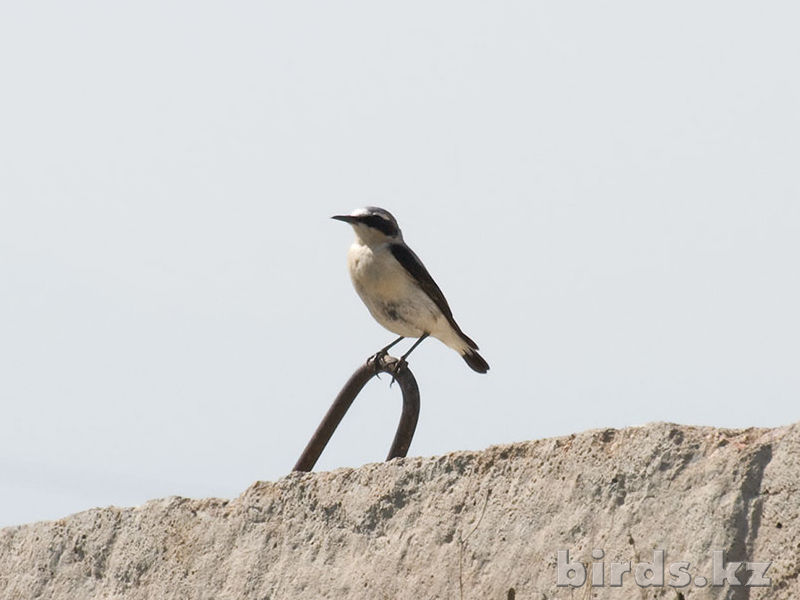
In a distance from the pass, near a small lake there were many Crested, Sky and Calandra Larks and Wheatears. We saw a male of Northern Wheatear, females of Pied Wheatear and a lot of Isabelline Wheaters of both sexes. One more Hoopoe was seen at a farm-yard. Great White Egret and Grey Heron catch an eye at the lake. Both escaped when we tried to reach them, but flied not far away, just to keep a distance. Small ducks also kept safe distance. Binoculars helped to make out Tufted Ducks, Common Pochards, Garganeys, Wigeons and Crested Grebes. A dozen of Black-headed Gulls sought one after another. One Ruddy Shelduck passed by.
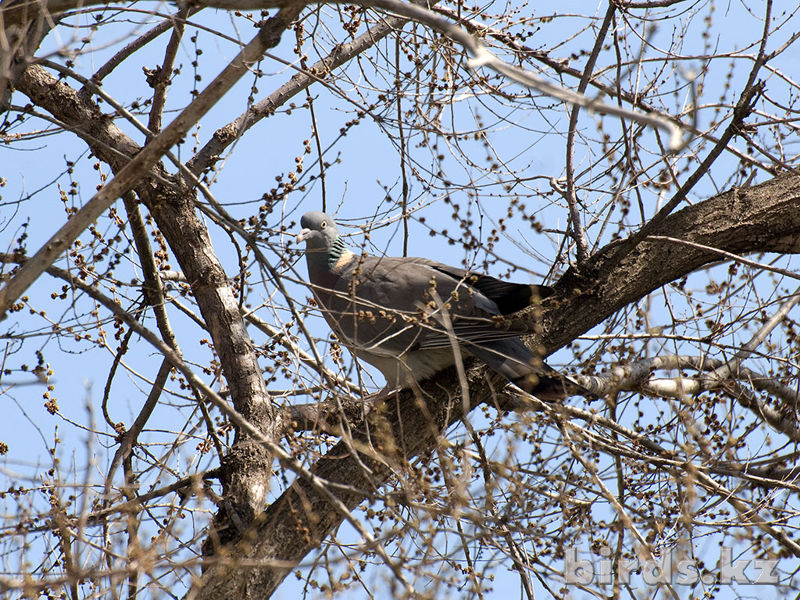
On the back way we watched the same actively singing Corn Buntings, Long-legged Buzzards, and Wood Pigeons well visible in still non-leaved elm branches.
1. Rock Doves (Columba livia)

2. Corn Bunting (Emberiza calandra buturlini)

3. Stonechat (Saxicola torquata maura)

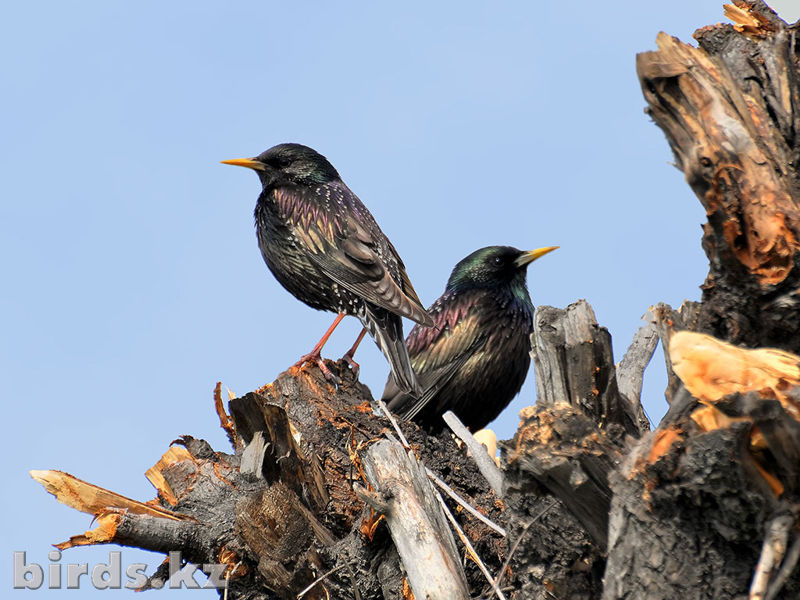
4. Common Starlings (Sturnus vulgaris porphyronotus)
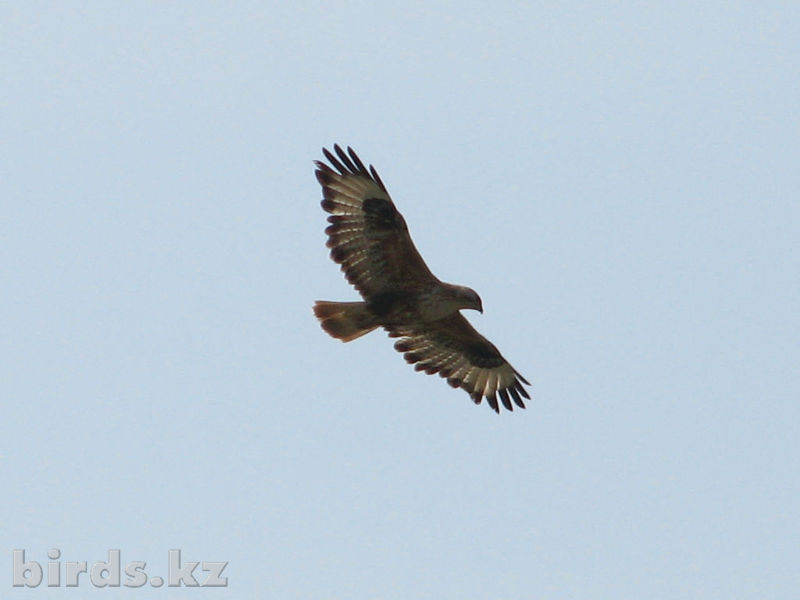
5. Long-legged Buzzard (Buteo rufinus)
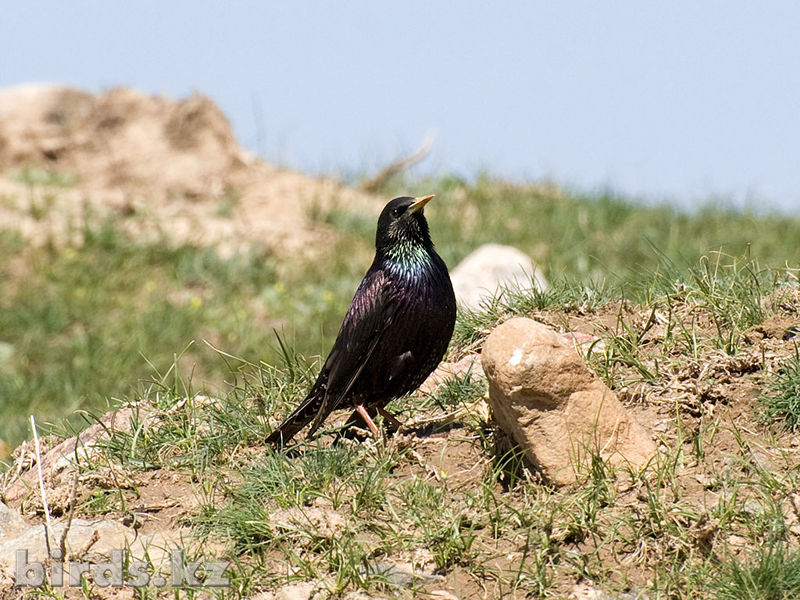
6. Common Starling (Sturnus vulgaris porphyronotus)
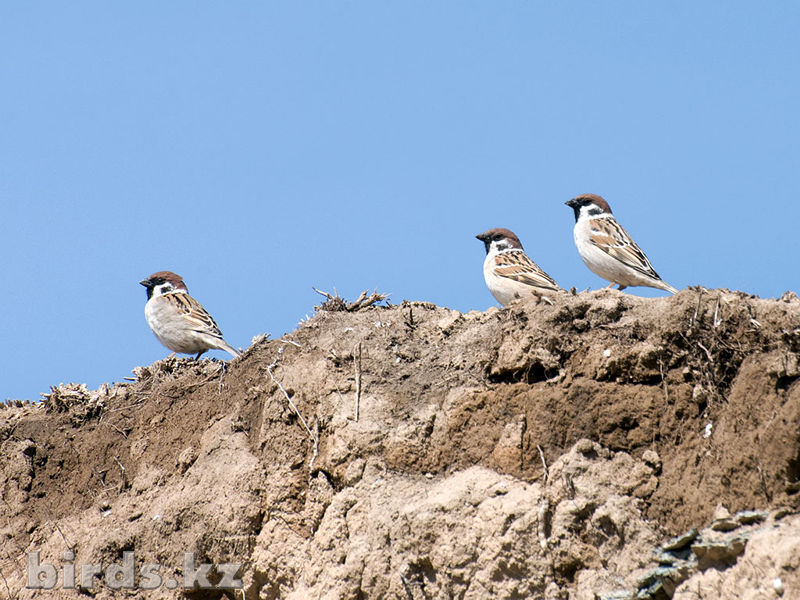
7. Tree Sparrows (Passer montanus dilutus)
8. Isabelline Wheatear (Oenanthe isabellina)
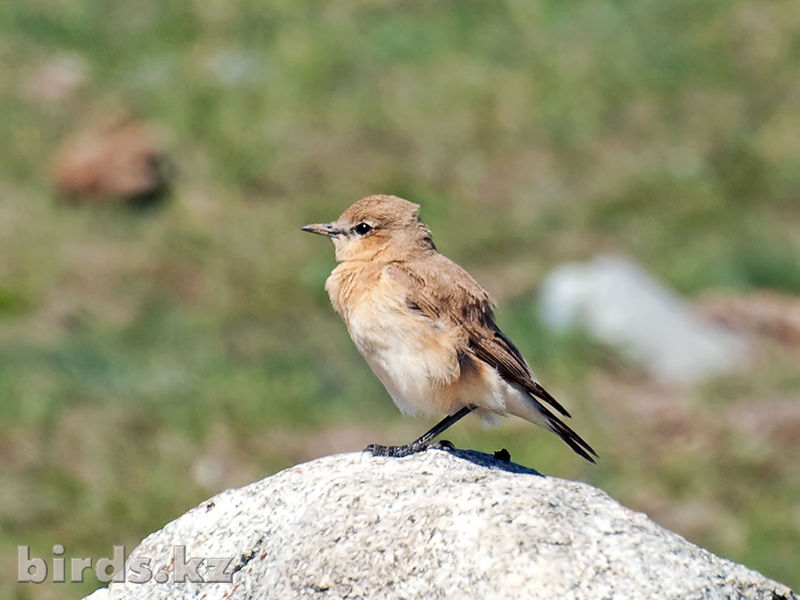
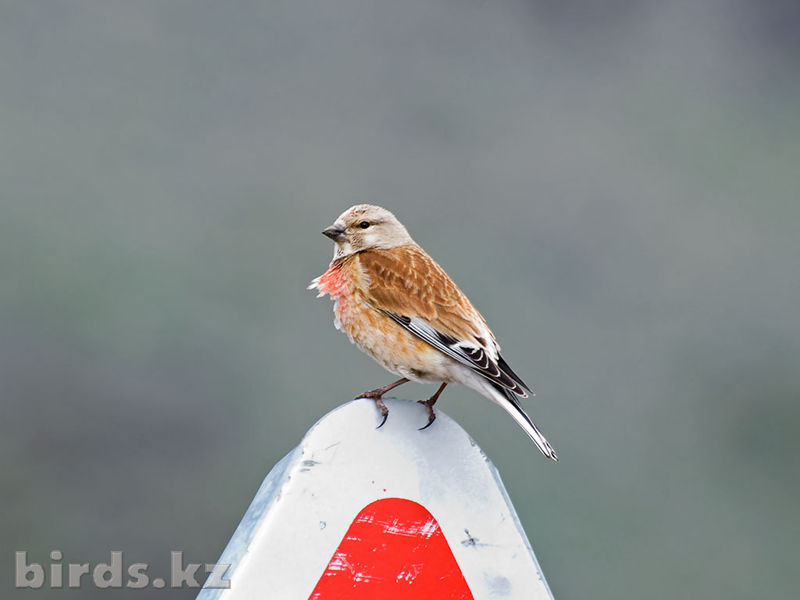
9. Eurasian Linnet (Acanthis cannabina fringillirostris)
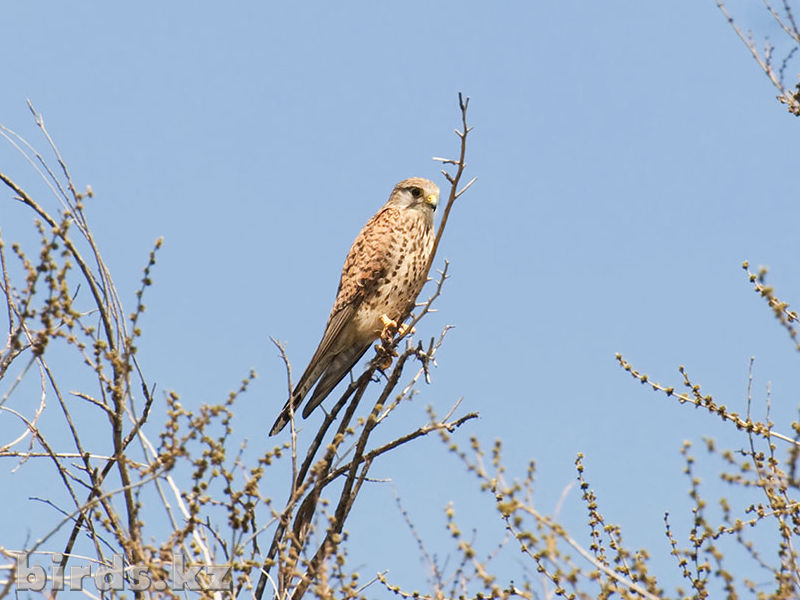
10. Common Kestrel (Falco tinnunculus)
11. Demoiselle Cranes (Anthropoides virgo)
12. Great White Egret (Egretta alba)
13. Grey Heron (Ardea cinerea)
14. Calandra Lark (Melanocorypha calandra psammochroa)
15. Northern Wheatear (Oenanthe oenanthe)
16. Hoopoe (Upupa epops)
17. Wood Pigeon (Columba palumbus casiotis)
calendar
2026
| jan | feb | mar | apr |
| may | jun | jul | aug |
| sep | oct | nov | dec |
| jan | feb | mar | apr |
| may | jun | jul | aug |
| sep | oct | nov | dec |
| jan | feb | mar | apr |
| may | jun | jul | aug |
| sep | oct | nov | dec |
| jan | feb | mar | apr |
| may | jun | jul | aug |
| sep | oct | nov | dec |
| jan | feb | mar | apr |
| may | jun | jul | aug |
| sep | oct | nov | dec |
| jan | feb | mar | apr |
| may | jun | jul | aug |
| sep | oct | nov | dec |
| jan | feb | mar | apr |
| may | jun | jul | aug |
| sep | oct | nov | dec |
| jan | feb | mar | apr |
| may | jun | jul | aug |
| sep | oct | nov | dec |
| jan | feb | mar | apr |
| may | jun | jul | aug |
| sep | oct | nov | dec |
| jan | feb | mar | apr |
| may | jun | jul | aug |
| sep | oct | nov | dec |
| jan | feb | mar | apr |
| may | jun | jul | aug |
| sep | oct | nov | dec |
| jan | feb | mar | apr |
| may | jun | jul | aug |
| sep | oct | nov | dec |
| jan | feb | mar | apr |
| may | jun | jul | aug |
| sep | oct | nov | dec |
| jan | feb | mar | apr |
| may | jun | jul | aug |
| sep | oct | nov | dec |
| jan | feb | mar | apr |
| may | jun | jul | aug |
| sep | oct | nov | dec |
| jan | feb | mar | apr |
| may | jun | jul | aug |
| sep | oct | nov | dec |
| jan | feb | mar | apr |
| may | jun | jul | aug |
| sep | oct | nov | dec |
| jan | feb | mar | apr |
| may | jun | jul | aug |
| sep | oct | nov | dec |
| jan | feb | mar | apr |
| may | jun | jul | aug |
| sep | oct | nov | dec |
| jan | feb | mar | apr |
| may | jun | jul | aug |
| sep | oct | nov | dec |
| jan | feb | mar | apr |
| may | jun | jul | aug |
| sep | oct | nov | dec |
| jan | feb | mar | apr |
| may | jun | jul | aug |
| sep | oct | nov | dec |
rare birds records
Squacco Heron (Ardeola ralloides)
© Andrey Kovalenko
2026-06-06
Almaty area, Sorbulak.
Great Snipe (Gallinago media)
© Vasilii Bastaev
2026-05-08
Karakol lake, Mangystau
Great Snipe (Gallinago media)
© Qanatbek Kenzhegulov
2026-04-14
Aktau, Mangystau region
Northern Wren (Troglodytes troglodytes)
© Alexandr Fedulin
2026-03-30
Big Year 2026
2. Aizhan Baitimbet (270)
3. Galym Baitimbet (267)
4. Zhaskairat Ermek (260)
5. Nikita Kanunnikov (228)
6. Gennadiy Dyakin (219)
7. Vladimir Muravskiy (219)
8. Andrey Kovalenko (196)
9. Sirimbet Zharilkasin (196)
10. Viktoriya Zvyaginceva (182)
unidentified birds
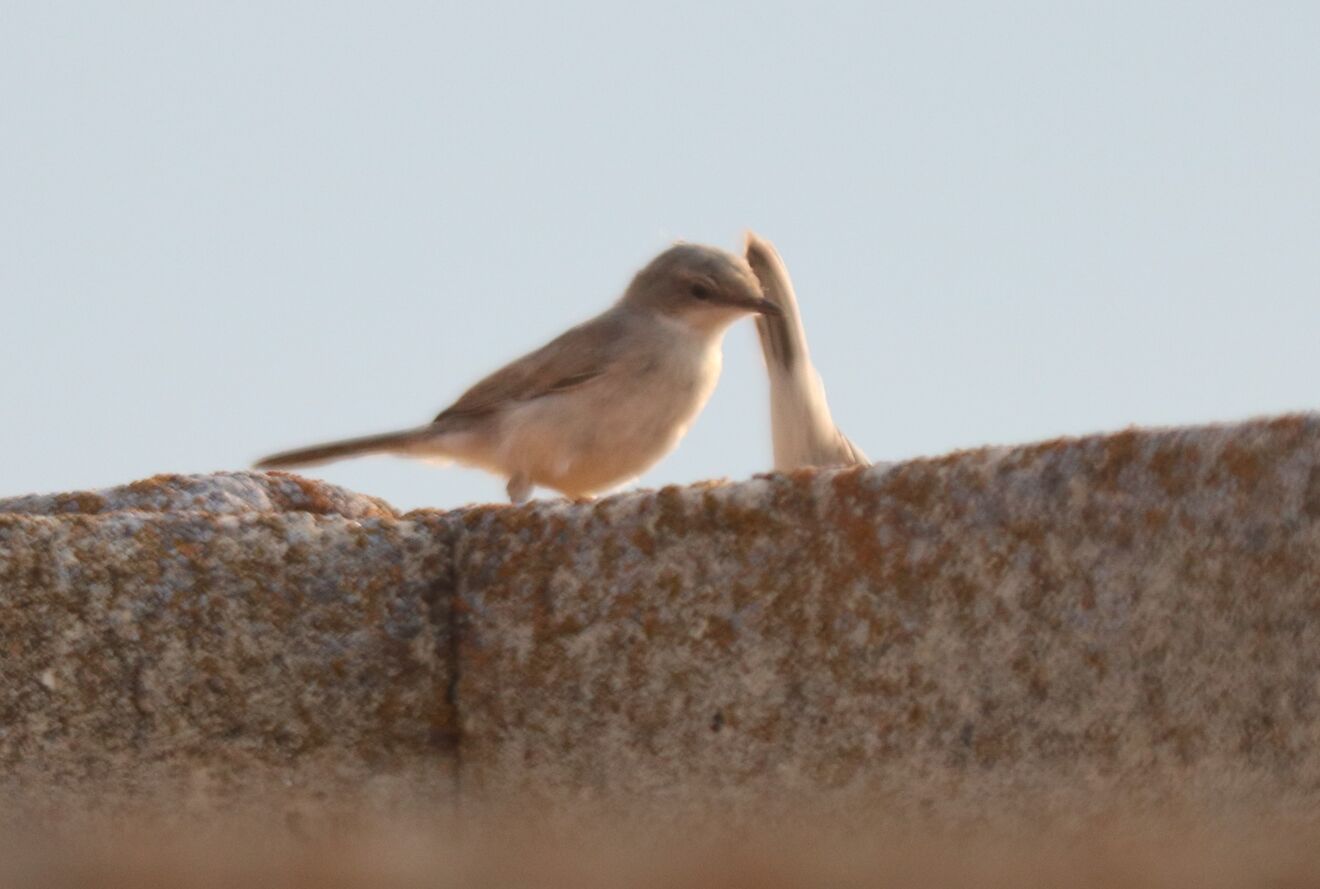
Жаскайрат Ермек: Садовая славка?
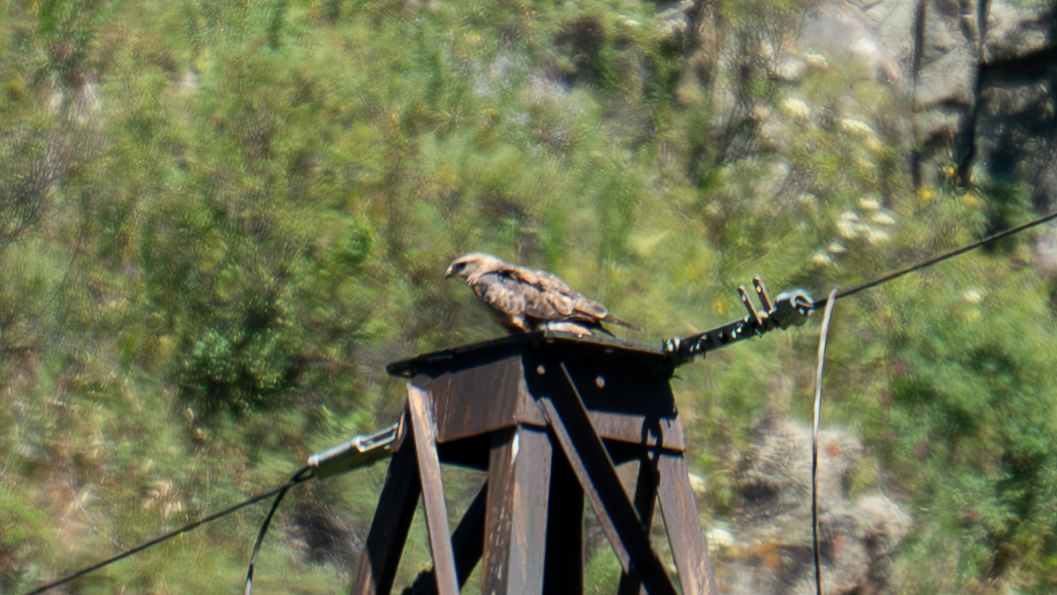
Руслан Абутрапов: Спасибо!
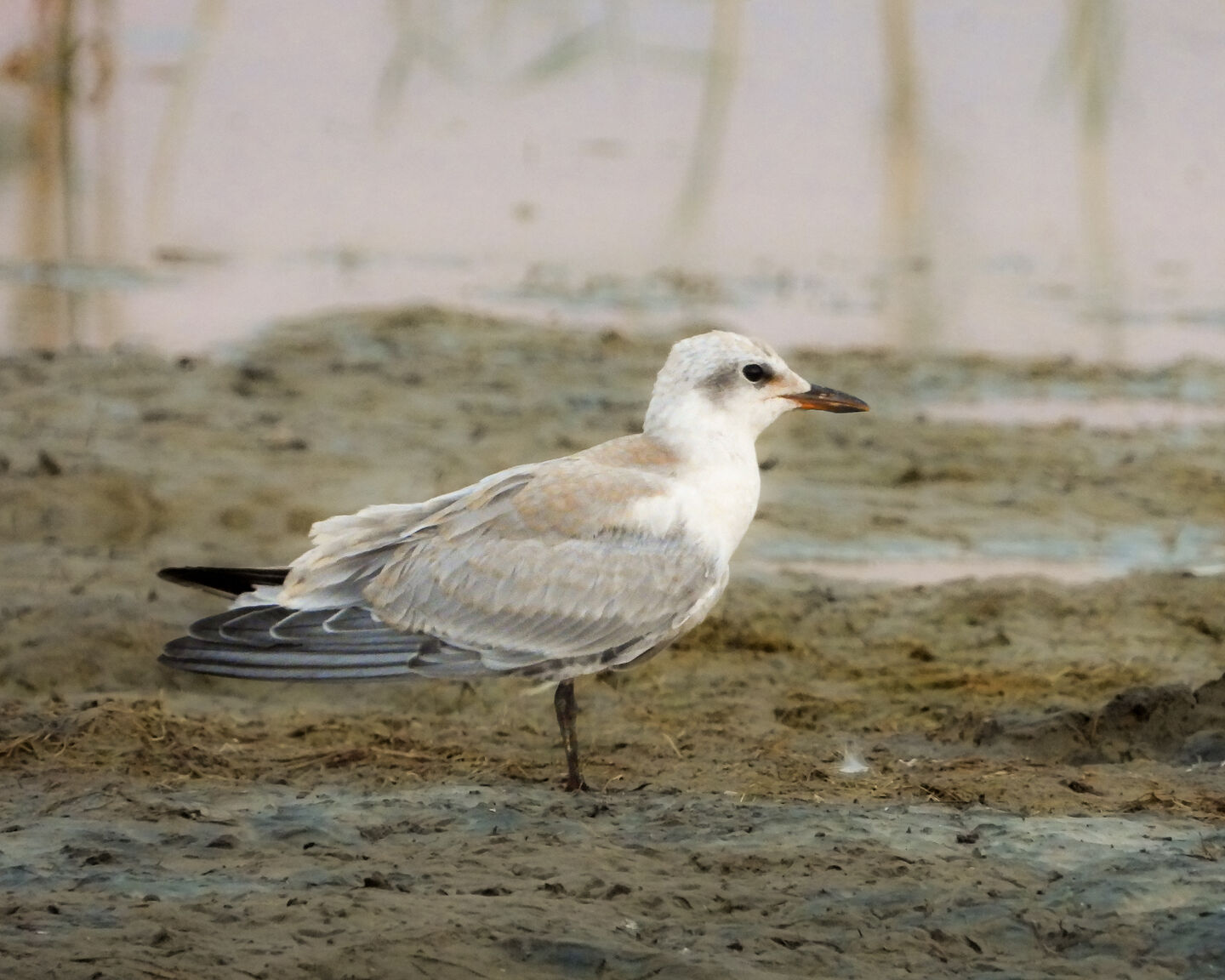
Анна Ясько: Чайконосая крачка.