
pictures
blog posts
search
classification:
Gaviiformes
Podicipediformes
Pelecaniformes
Ciconiiformes
Phoenicopteriformes
Anseriformes
Falconiformes
Galliformes
Gruiformes
Charadriiformes
Pterocletiformes
Columbiformes
Cuculiformes
Strigiformes
Caprimulgiformes
Apodiformes
Coraciiformes
Upupiformes
Piciformes
Passeriformes
Sary-Agash. Shardara.
2010-06-02| Askar Isabekov
Sary-Agash region. At night the strong rain was again. Day was cloudy and sometimes overcast. I stayed at night in the village former named Ordzhonikidze but later renamed and now people are going to rename it again. At morning I went to Shardara town which was at about 60-70 km from my overnight place. Directly from the road I noticed Blue-cheeked Bee-eater sitting on the wires. I hoped to watch this bird and other birds of Southern Kazakhstan (such as Pied Bushchat) later, but unfortunately this record was one only. The road around the Shardara reservoir passes by steppe zone. The birds which I saw were common to steppes: Rosy Starlings, European Bee-eaters, Crested Larks, Rollers, and once and again I watched the Marsh Harriers. I was in this country first time but didn't feel any difference from the northerner places, probably because I didn't close either to Shardara reservoir or to Syradrya river.
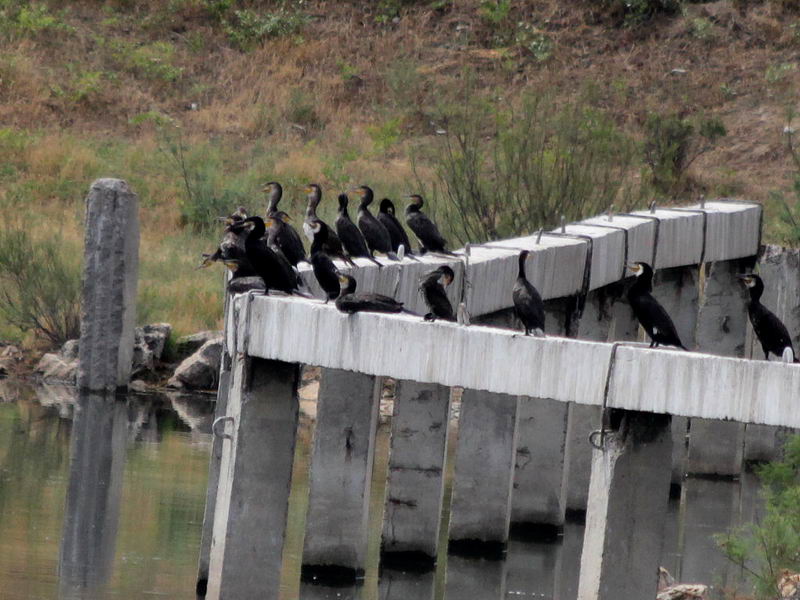
Shardara town. Weather was cloudy. On the little lake which there is almost in the town I watched the flock of Great Cormorants, and also groups of Great White Pelicans in the sky (one Pelican tried to find anything in self breast). On the pools formed by night rain I saw the juveniles Masked Wagtail. It was difficult to shot birds because of cloudy sky.
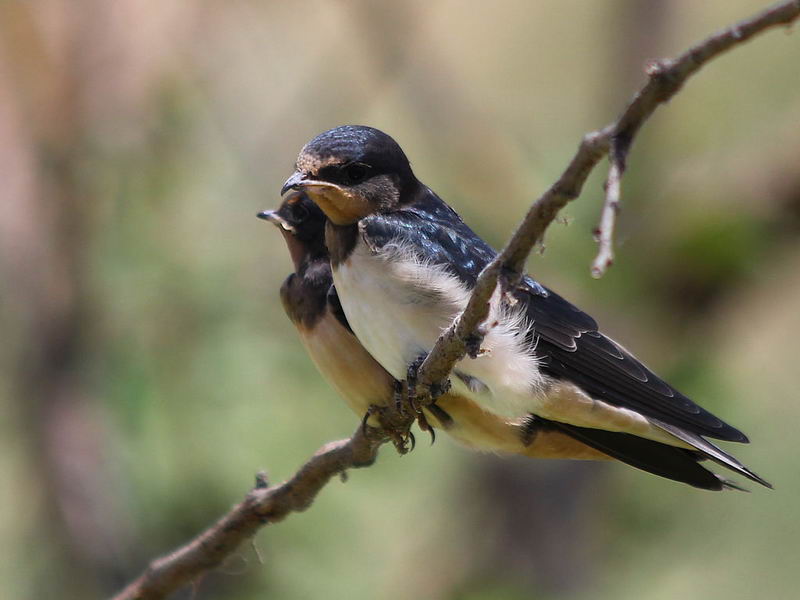
Sun opened close to evening. Accidently I turned to Kyzylasker village where I watched juvenile Barn Swallows on the puddle. House Martins and Red-rumped Swallows still built the nests but some Barn Swallows already have juveniles. My conclusion on the trip to the extreme south of Kazakhstan is following: probably I needed to know in advance the local birding places because the region is populous and it's difficult to find a little place of wild nature to watch the birds, such as we are doing in Almaty. In the southern villages the common birds are Laughing Doves, Collared Doves, Hoopoes, Rosy Starlings which fly directly in the kishlaks, different Swallows, Long-tailed Shrikes. At evening time I came back to Taraz.
1. Blue-cheeked Bee-eater (Merops superciliosus persicus)

2. Masked Wagtail (Motacilla personata)

3. Great White Pelicans (Pelecanus onocrotalus)

4. Great Cormorants (Phalacrocorax carbo sinensis)
5. Juvenile Barn Swallows (Hirundo rustica rustica)
calendar
2026
| jan | feb | mar | apr |
| may | jun | jul | aug |
| sep | oct | nov | dec |
| jan | feb | mar | apr |
| may | jun | jul | aug |
| sep | oct | nov | dec |
| jan | feb | mar | apr |
| may | jun | jul | aug |
| sep | oct | nov | dec |
| jan | feb | mar | apr |
| may | jun | jul | aug |
| sep | oct | nov | dec |
| jan | feb | mar | apr |
| may | jun | jul | aug |
| sep | oct | nov | dec |
| jan | feb | mar | apr |
| may | jun | jul | aug |
| sep | oct | nov | dec |
| jan | feb | mar | apr |
| may | jun | jul | aug |
| sep | oct | nov | dec |
| jan | feb | mar | apr |
| may | jun | jul | aug |
| sep | oct | nov | dec |
| jan | feb | mar | apr |
| may | jun | jul | aug |
| sep | oct | nov | dec |
| jan | feb | mar | apr |
| may | jun | jul | aug |
| sep | oct | nov | dec |
| jan | feb | mar | apr |
| may | jun | jul | aug |
| sep | oct | nov | dec |
| jan | feb | mar | apr |
| may | jun | jul | aug |
| sep | oct | nov | dec |
| jan | feb | mar | apr |
| may | jun | jul | aug |
| sep | oct | nov | dec |
| jan | feb | mar | apr |
| may | jun | jul | aug |
| sep | oct | nov | dec |
| jan | feb | mar | apr |
| may | jun | jul | aug |
| sep | oct | nov | dec |
| jan | feb | mar | apr |
| may | jun | jul | aug |
| sep | oct | nov | dec |
| jan | feb | mar | apr |
| may | jun | jul | aug |
| sep | oct | nov | dec |
| jan | feb | mar | apr |
| may | jun | jul | aug |
| sep | oct | nov | dec |
| jan | feb | mar | apr |
| may | jun | jul | aug |
| sep | oct | nov | dec |
| jan | feb | mar | apr |
| may | jun | jul | aug |
| sep | oct | nov | dec |
| jan | feb | mar | apr |
| may | jun | jul | aug |
| sep | oct | nov | dec |
| jan | feb | mar | apr |
| may | jun | jul | aug |
| sep | oct | nov | dec |
rare birds records
Squacco Heron (Ardeola ralloides)
© Andrey Kovalenko
2026-06-06
Almaty area, Sorbulak.
Great Snipe (Gallinago media)
© Vasilii Bastaev
2026-05-08
Karakol lake, Mangystau
Great Snipe (Gallinago media)
© Qanatbek Kenzhegulov
2026-04-14
Aktau, Mangystau region
Northern Wren (Troglodytes troglodytes)
© Alexandr Fedulin
2026-03-30
Big Year 2026
2. Aizhan Baitimbet (270)
3. Galym Baitimbet (267)
4. Zhaskairat Ermek (261)
5. Nikita Kanunnikov (228)
6. Gennadiy Dyakin (219)
7. Vladimir Muravskiy (219)
8. Andrey Kovalenko (196)
9. Sirimbet Zharilkasin (196)
10. Viktoriya Zvyaginceva (182)
unidentified birds
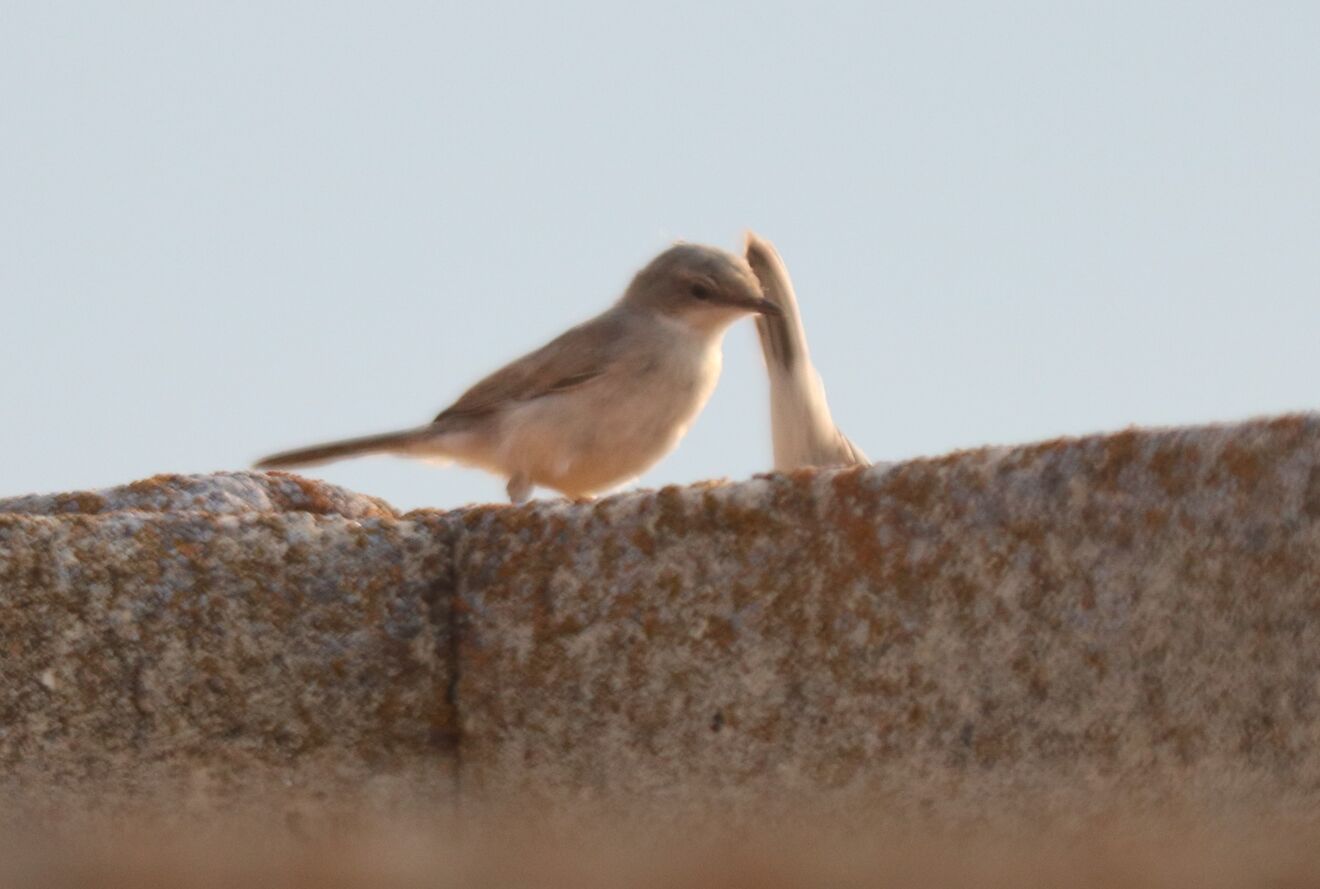
Жаскайрат Ермек: Садовая славка?
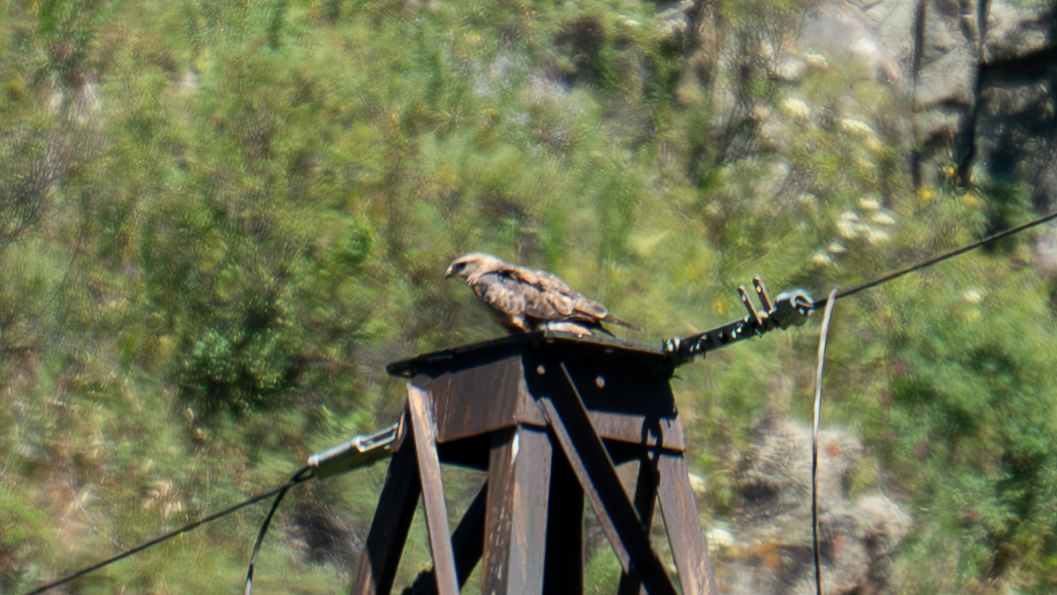
Руслан Абутрапов: Спасибо!
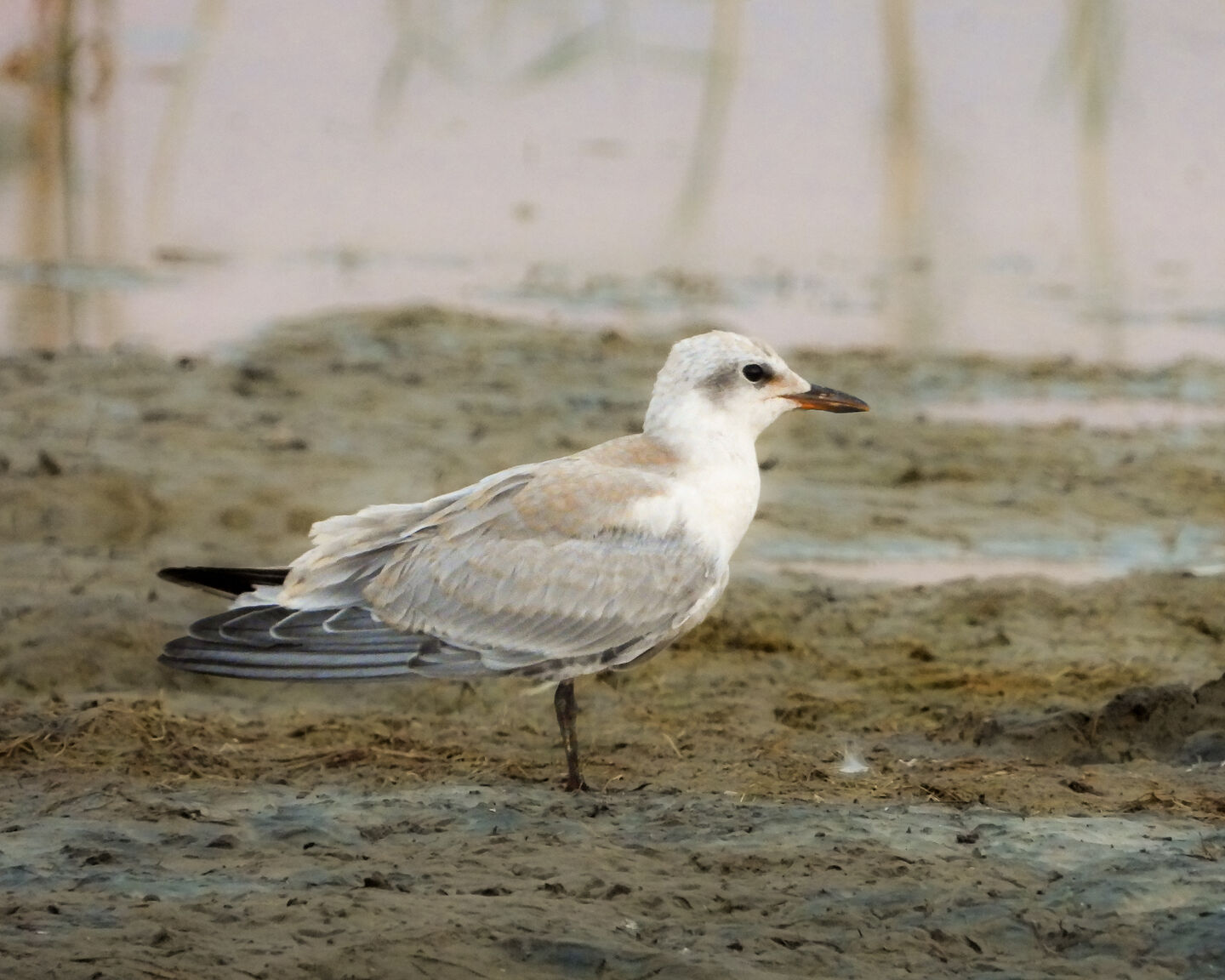
Анна Ясько: Чайконосая крачка.