
pictures
blog posts
search
classification:
Gaviiformes
Podicipediformes
Pelecaniformes
Ciconiiformes
Phoenicopteriformes
Anseriformes
Falconiformes
Galliformes
Gruiformes
Charadriiformes
Pterocletiformes
Columbiformes
Cuculiformes
Strigiformes
Caprimulgiformes
Apodiformes
Coraciiformes
Upupiformes
Piciformes
Passeriformes
Kim-Asar Gorge, Ile Alatau National Park.
2011-06-22| Askar Isabekov
Hot, cloudy day. At the enter of gorge I has beheld White-bellied Dipper, Grey Wagtails (both juveniles, and adults) and Blue Whistling Thrushes; at first I beheld one adult Thrush, and then juvenile bird. Juvenile looked out from the grass, but adult Thrush sent the alarm calls from other side of small river. I already watched the similar scene in Tajikistan. Further in gorge I noted one more pair of Blue Whistling Thrushes, then one more bird, and one more on the back way, but probably it was one of noted earlier. In total 6-7 Blue Whistling Thrushes in one gorge. Also in the enter of gorge I saw the flying Hobby.
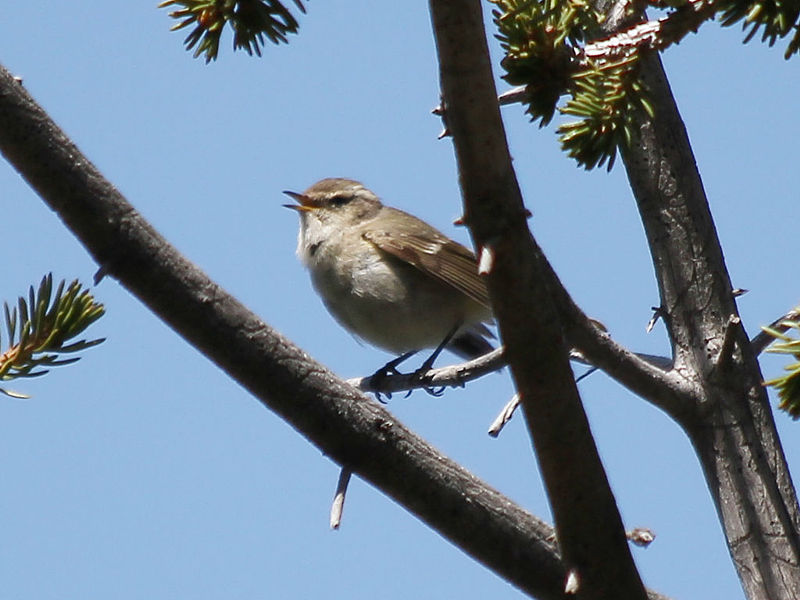
Further in upwards gorge I didn't see anything new. In the bushes of the lower forest belt the Common Whitethroats and Common Rosefinches still sang. It was interesting to me to discover that the short melodious whistle, which I earlier guessed as a song, is a usually call. Today I saw this "song" whistled by females of Rosefinch. Saw also Grey-headed Goldfinches flew by pairs. Upwards, in the coniferous wood I saw Mistle Thrushes, Magpies, Greenish Warblers, singing Black-throated Accentors; heard Cuckoos and Blackbirds. More upwards, in the mixed juniper-spruce forest the very actively singing Tree Pipits appeared. In same place I frightened away four Mistle Thrushes from a footpath. Approximately in the same attitudes the Hume's Warblers appear, and the Carrion Crows become very appreciable. In juniper bushes of the top belt spruce-forest several times I heard Grasshopper Warblers.
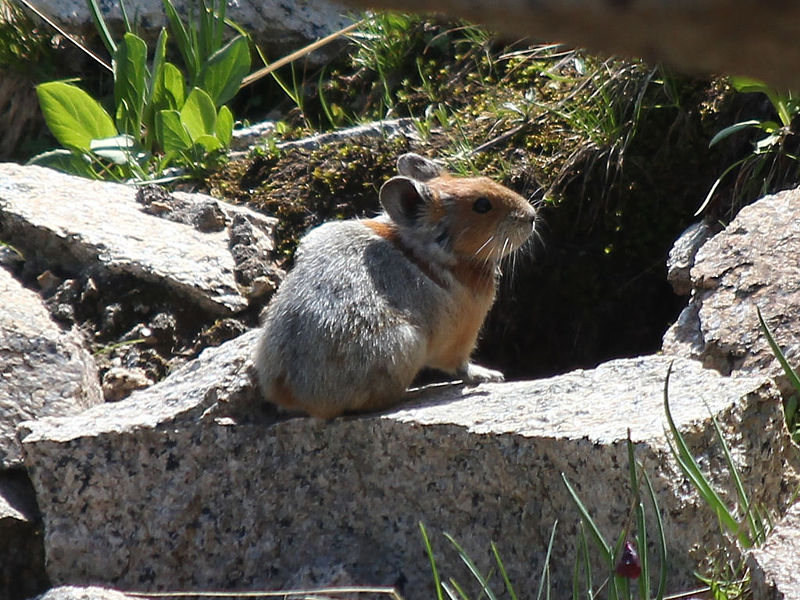
Above the forest belt, in stones and juniper bushes the most appreciable birds were the same Tree Pipits; in junipers and separately growing spruce-trees there were quite a lot of Hume's Warblers, in rocks I saw the Mistle Thrushes. Also in stones above the forest belt I saw one singing Wren. Highly on the alpine meadows I saw twice Water Pipits, one Rock Sparrow (?) and four Ravens. Ravens were resting on rock, I saw them from afar by binocular, but I guessed that in my approach the Ravens had already flew out. To my surprise the Raven's head was shown behind the stone about three metres from me, and at the tail the self Raven. Ravens of course made to shout, to fly around me, but then flew off on the next slope. Sitting almost at top of mountain I saw a flying Yellow-billed Chough, and also the pair of Hobbies, and also Red Pika (Ochotona rutila), not a bird, but a small animal related to hares.
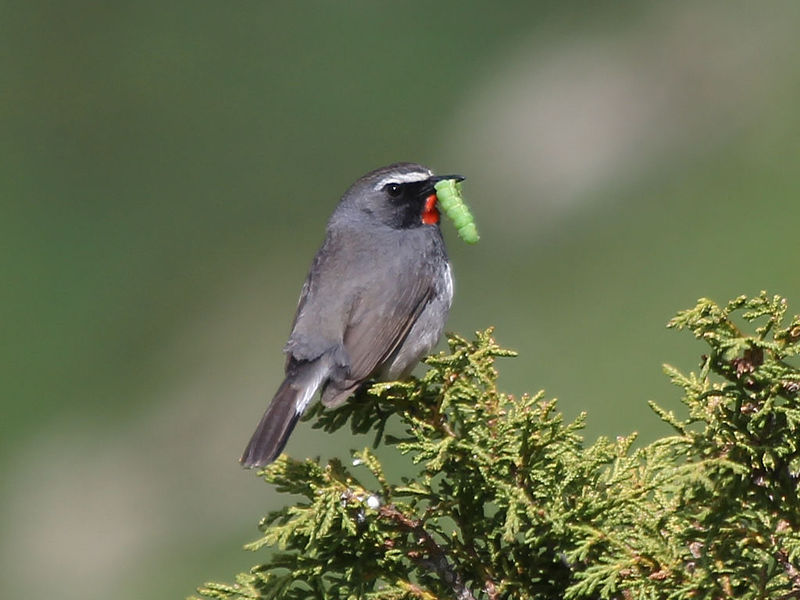
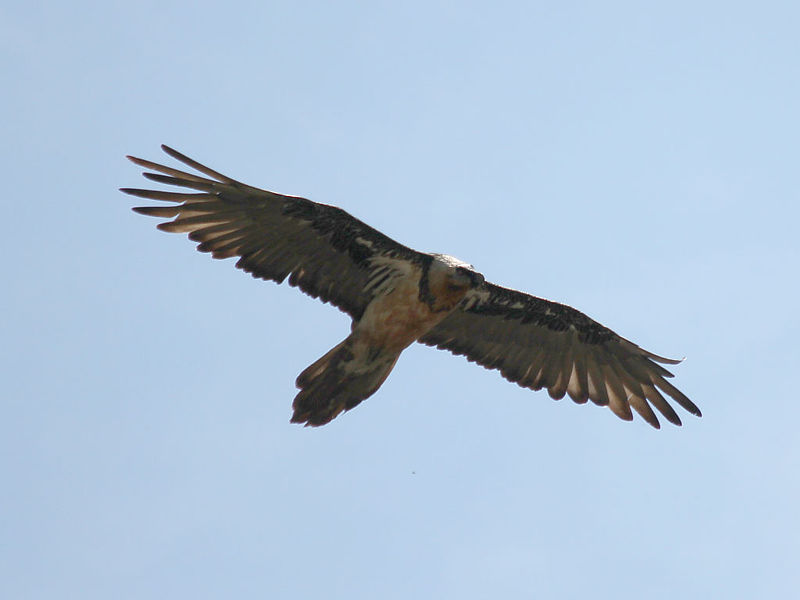
Going down on slope and discovering the coming across a way juniper bushes and rocks, I noticed several singing Tree Pipits, Mistle Thrushes, Hume's Warblers, and three times I watched Himalayan Rubythroats, twice singing males and once the male with caterpillar in the beak. In highlands I heard Cuckoos too. It is necessary to note some times flying by Lammergeier. The Lammergeier flew so low over me that sometimes I could not catch it in objective. There were also the same pair of Hobbies, and in my opinion on an opposite slope the pair of Kestrels flew.
Samal. Evening. Over our block until almost total darkness the Hobbies were soared. In first I saw only two falcons and thought that falcons hunt on swallows, but then saw three Hobbies together and thought that probably adult falcons learned juvenile to fly. Scops Owls returned on its own wire again, and still feed nestlings.
1. White-bellied Dipper (Cinclus cinclus leucogaster)

2. Juvenile Blue Whistling Thrush (Myophonus caeruleus turcestanicus)

3. Blue Whistling Thrush (Myophonus caeruleus turcestanicus)

4. Female Common Rosefinch (Carpodacus erythrinus ferghanensis)
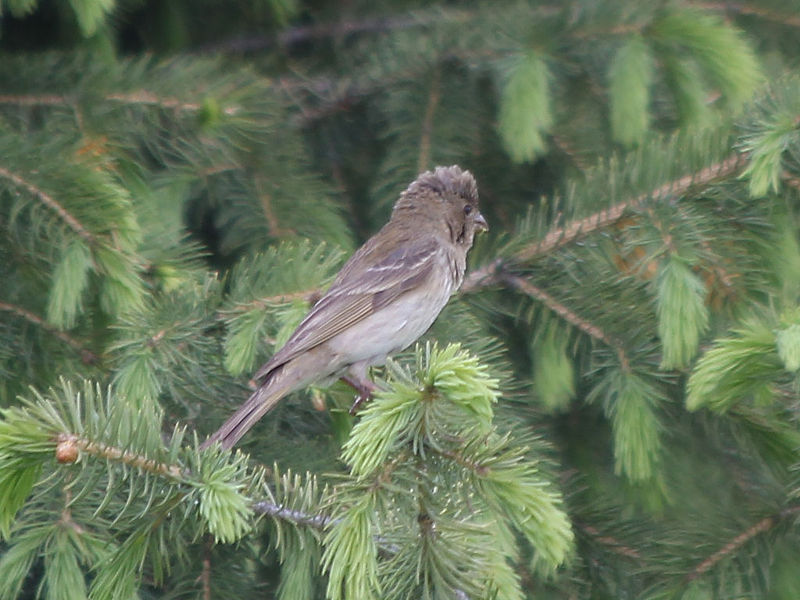
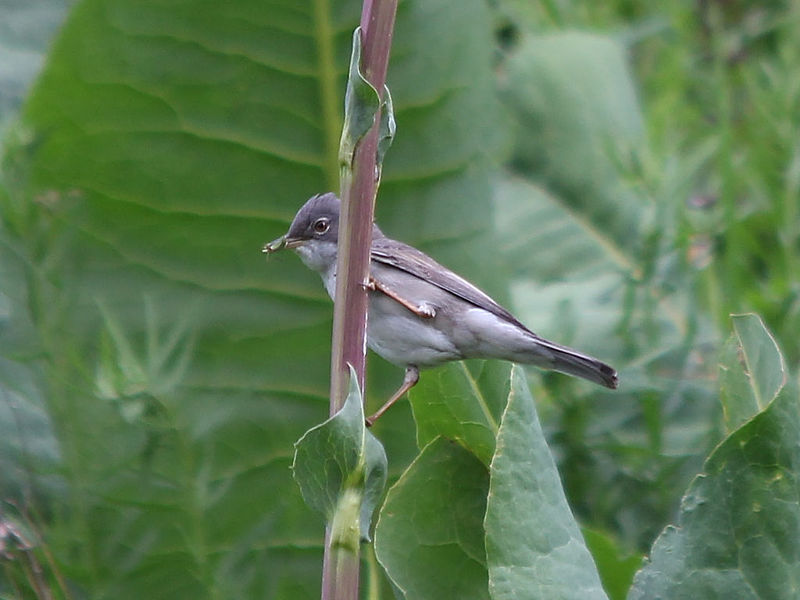
5. Common Whitethroat (Sylvia communis rubicola)
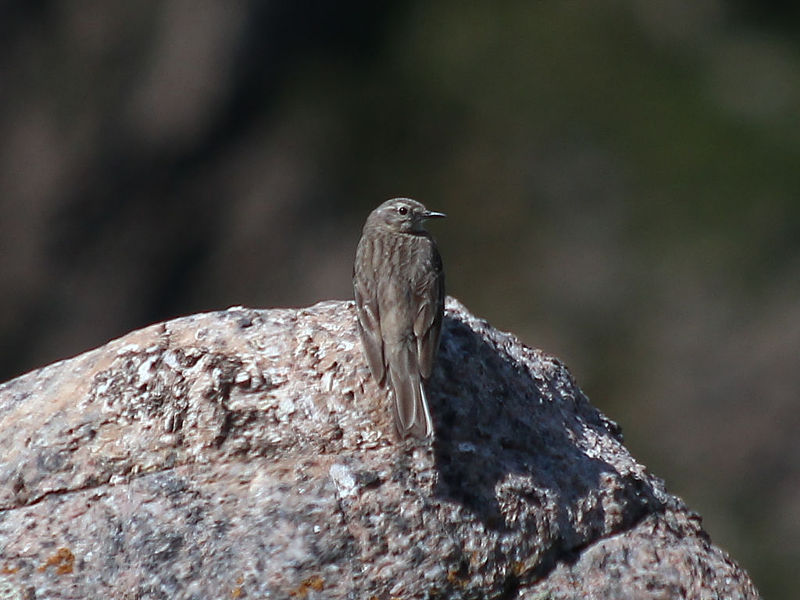
6. Water Pipit (Anthus spinoletta blakistoni)
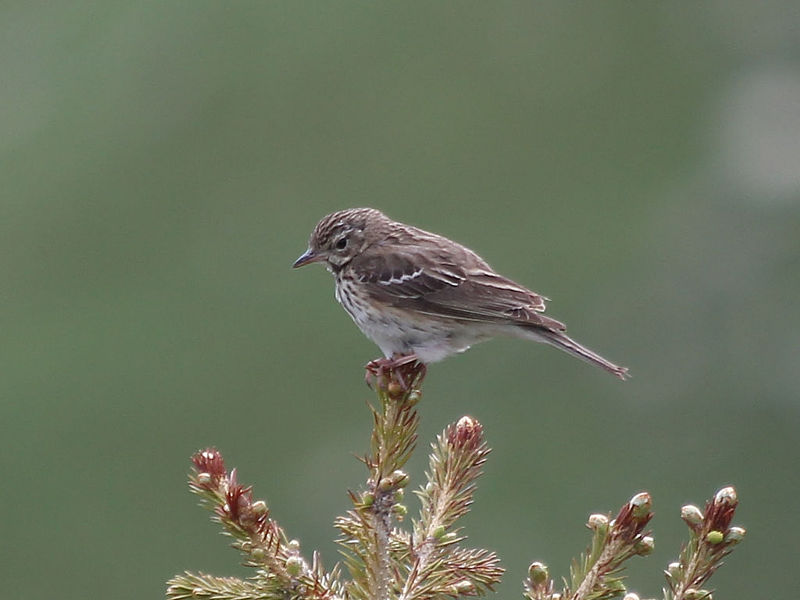
7. Tree Pipit (Anthus trivialis haringtoni)
8. Raven (Corvus corax tibetanus)
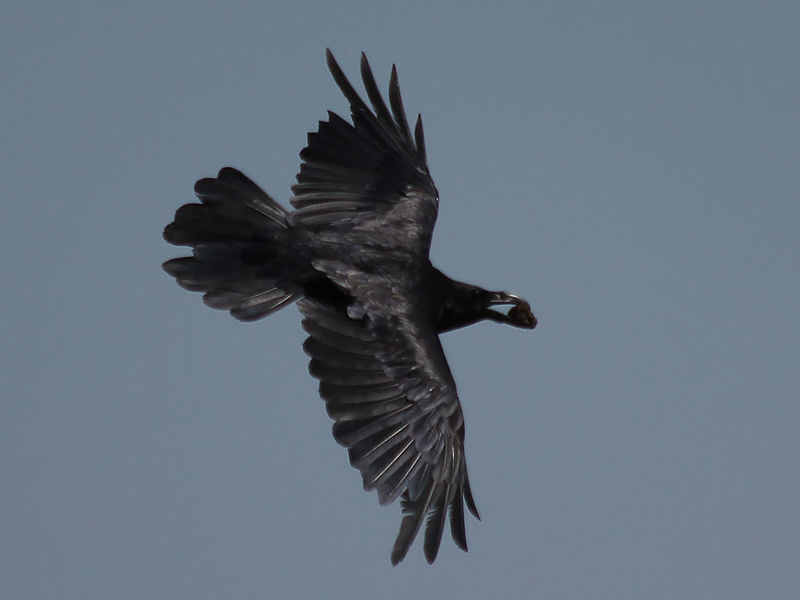
9. Black-throated Accentor (Prunella atrogularis huttoni)
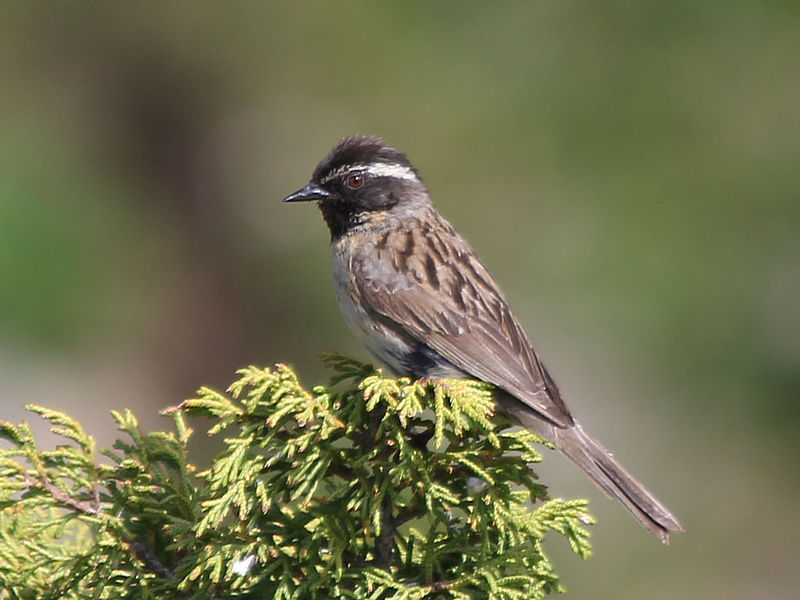
10. Black-throated Accentor (Prunella atrogularis huttoni)
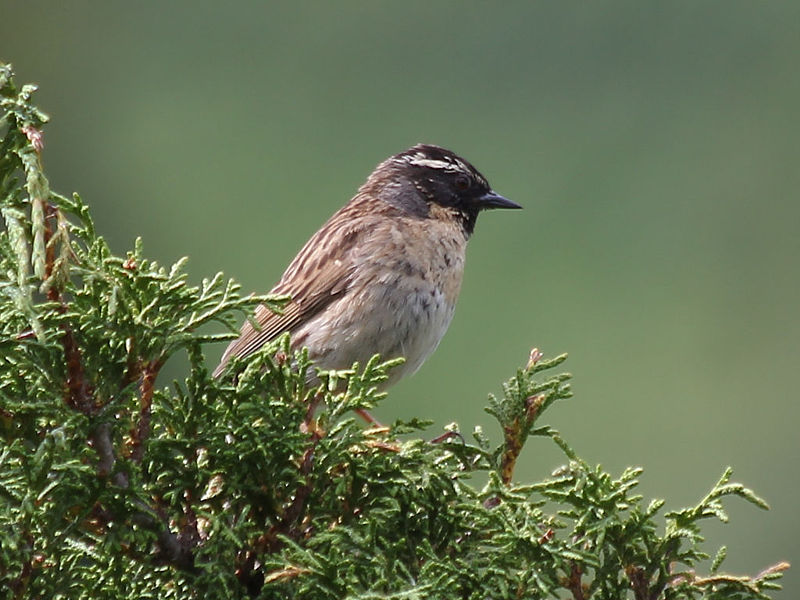
11. Yellow-billed Chough (Pyrrhocorax graculus forsythi)
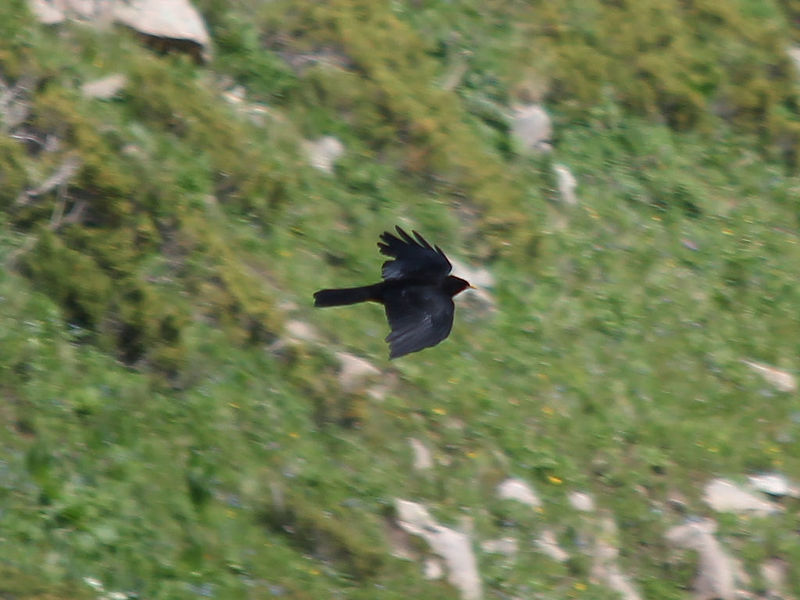
12. Turkestan Red Pika (Ochotona rutila)
13. Hume's Warbler (Phylloscopus humei)
14. Himalayan Rubythroat (Luscinia pectoralis ballioni)
15. Lammergeier (Gypaetus barbatus)
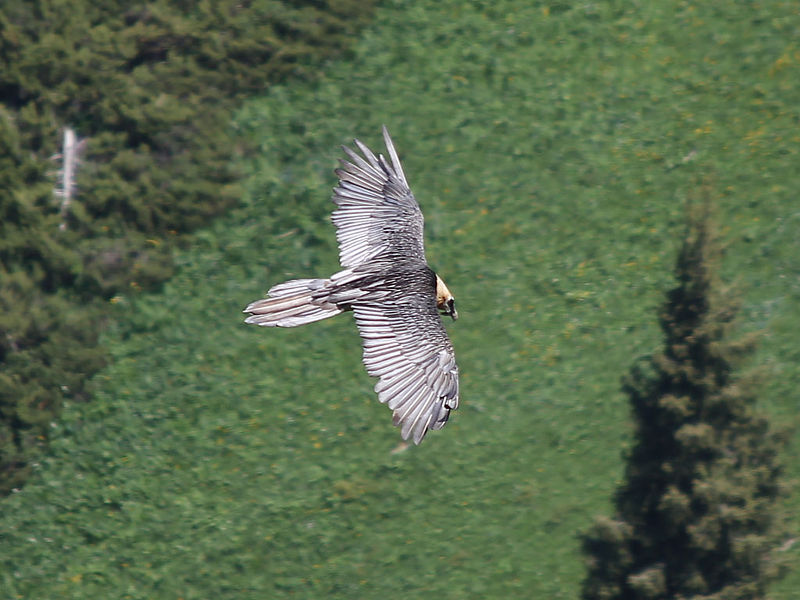
16. Lammergeier (Gypaetus barbatus)
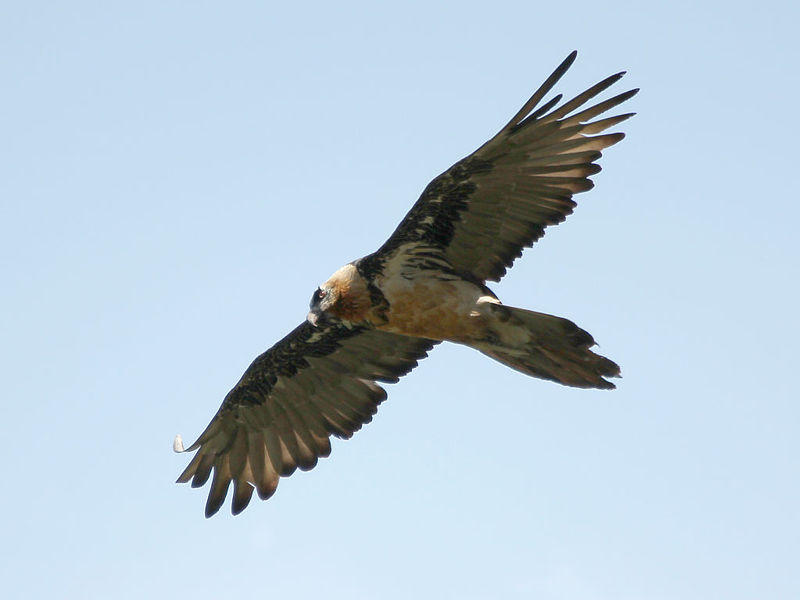
17. Lammergeier (Gypaetus barbatus)
calendar
2026
| jan | feb | mar | apr |
| may | jun | jul | aug |
| sep | oct | nov | dec |
| jan | feb | mar | apr |
| may | jun | jul | aug |
| sep | oct | nov | dec |
| jan | feb | mar | apr |
| may | jun | jul | aug |
| sep | oct | nov | dec |
| jan | feb | mar | apr |
| may | jun | jul | aug |
| sep | oct | nov | dec |
| jan | feb | mar | apr |
| may | jun | jul | aug |
| sep | oct | nov | dec |
| jan | feb | mar | apr |
| may | jun | jul | aug |
| sep | oct | nov | dec |
| jan | feb | mar | apr |
| may | jun | jul | aug |
| sep | oct | nov | dec |
| jan | feb | mar | apr |
| may | jun | jul | aug |
| sep | oct | nov | dec |
| jan | feb | mar | apr |
| may | jun | jul | aug |
| sep | oct | nov | dec |
| jan | feb | mar | apr |
| may | jun | jul | aug |
| sep | oct | nov | dec |
| jan | feb | mar | apr |
| may | jun | jul | aug |
| sep | oct | nov | dec |
| jan | feb | mar | apr |
| may | jun | jul | aug |
| sep | oct | nov | dec |
| jan | feb | mar | apr |
| may | jun | jul | aug |
| sep | oct | nov | dec |
| jan | feb | mar | apr |
| may | jun | jul | aug |
| sep | oct | nov | dec |
| jan | feb | mar | apr |
| may | jun | jul | aug |
| sep | oct | nov | dec |
| jan | feb | mar | apr |
| may | jun | jul | aug |
| sep | oct | nov | dec |
| jan | feb | mar | apr |
| may | jun | jul | aug |
| sep | oct | nov | dec |
| jan | feb | mar | apr |
| may | jun | jul | aug |
| sep | oct | nov | dec |
| jan | feb | mar | apr |
| may | jun | jul | aug |
| sep | oct | nov | dec |
| jan | feb | mar | apr |
| may | jun | jul | aug |
| sep | oct | nov | dec |
| jan | feb | mar | apr |
| may | jun | jul | aug |
| sep | oct | nov | dec |
| jan | feb | mar | apr |
| may | jun | jul | aug |
| sep | oct | nov | dec |
rare birds records
Squacco Heron (Ardeola ralloides)
© Andrey Kovalenko
2026-06-06
Almaty area, Sorbulak.
Great Snipe (Gallinago media)
© Vasilii Bastaev
2026-05-08
Karakol lake, Mangystau
Great Snipe (Gallinago media)
© Qanatbek Kenzhegulov
2026-04-14
Aktau, Mangystau region
Northern Wren (Troglodytes troglodytes)
© Alexandr Fedulin
2026-03-30
Big Year 2026
2. Aizhan Baitimbet (270)
3. Galym Baitimbet (267)
4. Zhaskairat Ermek (261)
5. Nikita Kanunnikov (228)
6. Gennadiy Dyakin (219)
7. Vladimir Muravskiy (219)
8. Andrey Kovalenko (196)
9. Sirimbet Zharilkasin (196)
10. Viktoriya Zvyaginceva (182)
unidentified birds
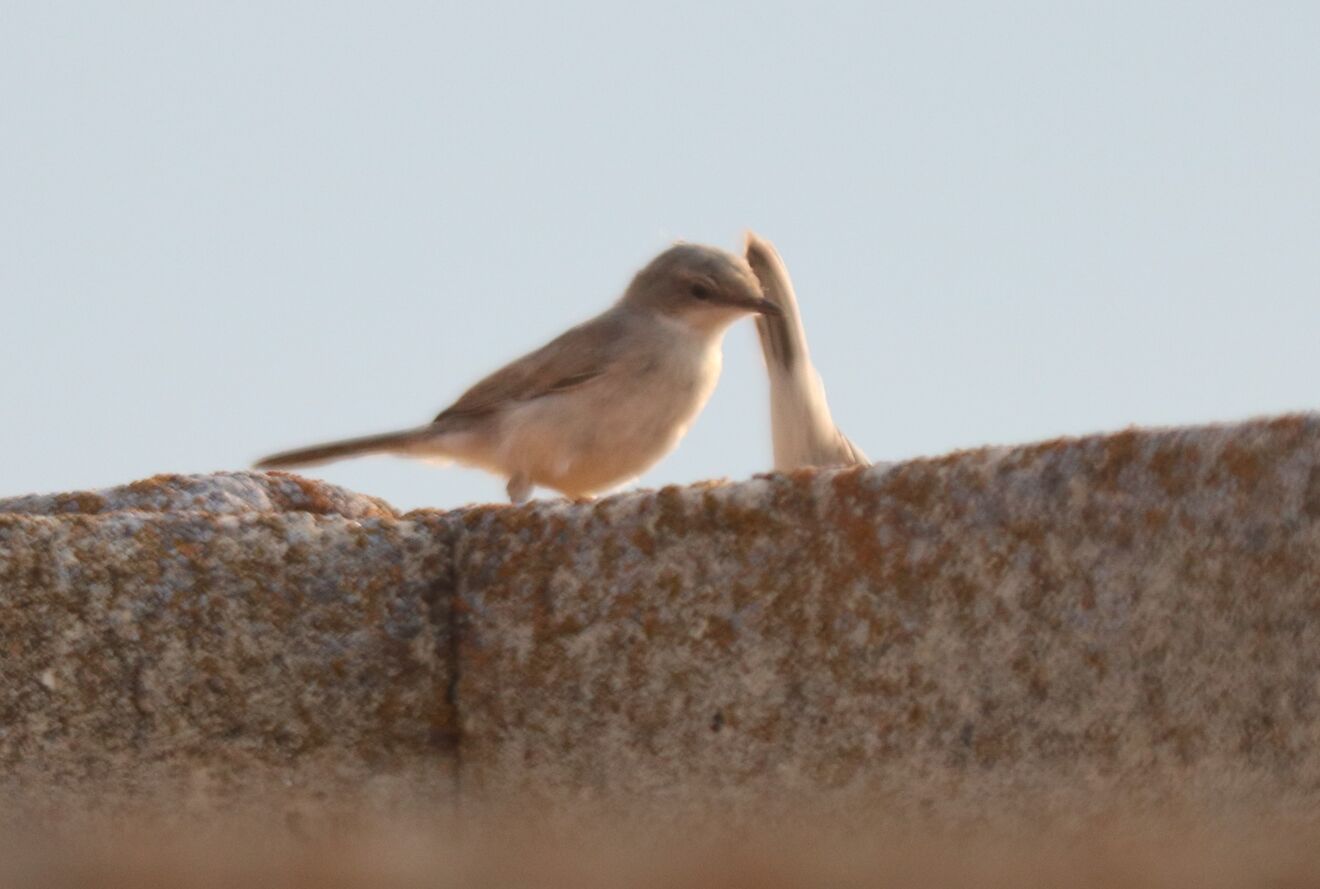
Жаскайрат Ермек: Садовая славка?
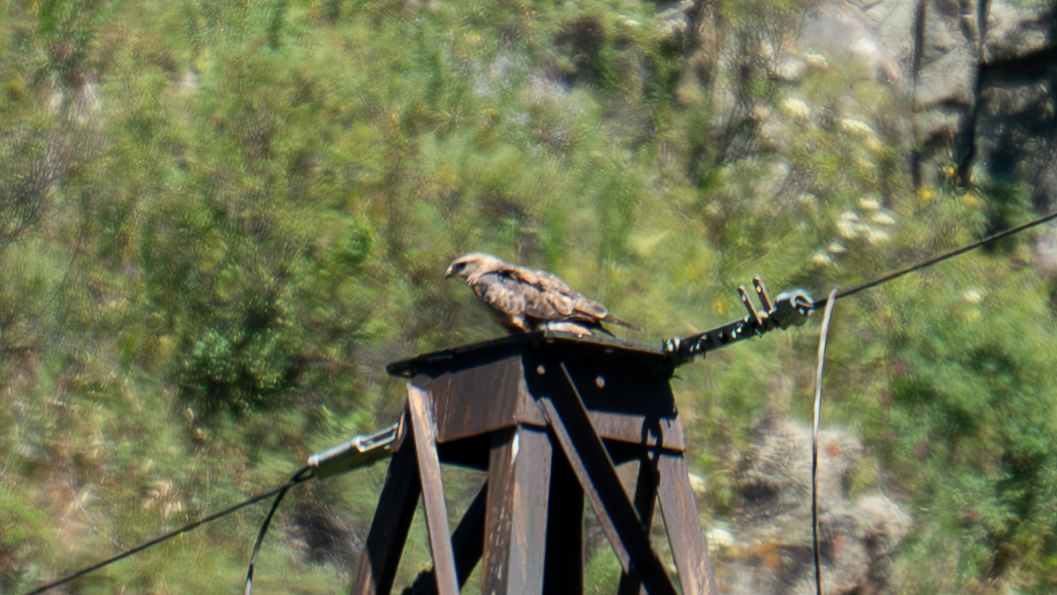
Руслан Абутрапов: Спасибо!
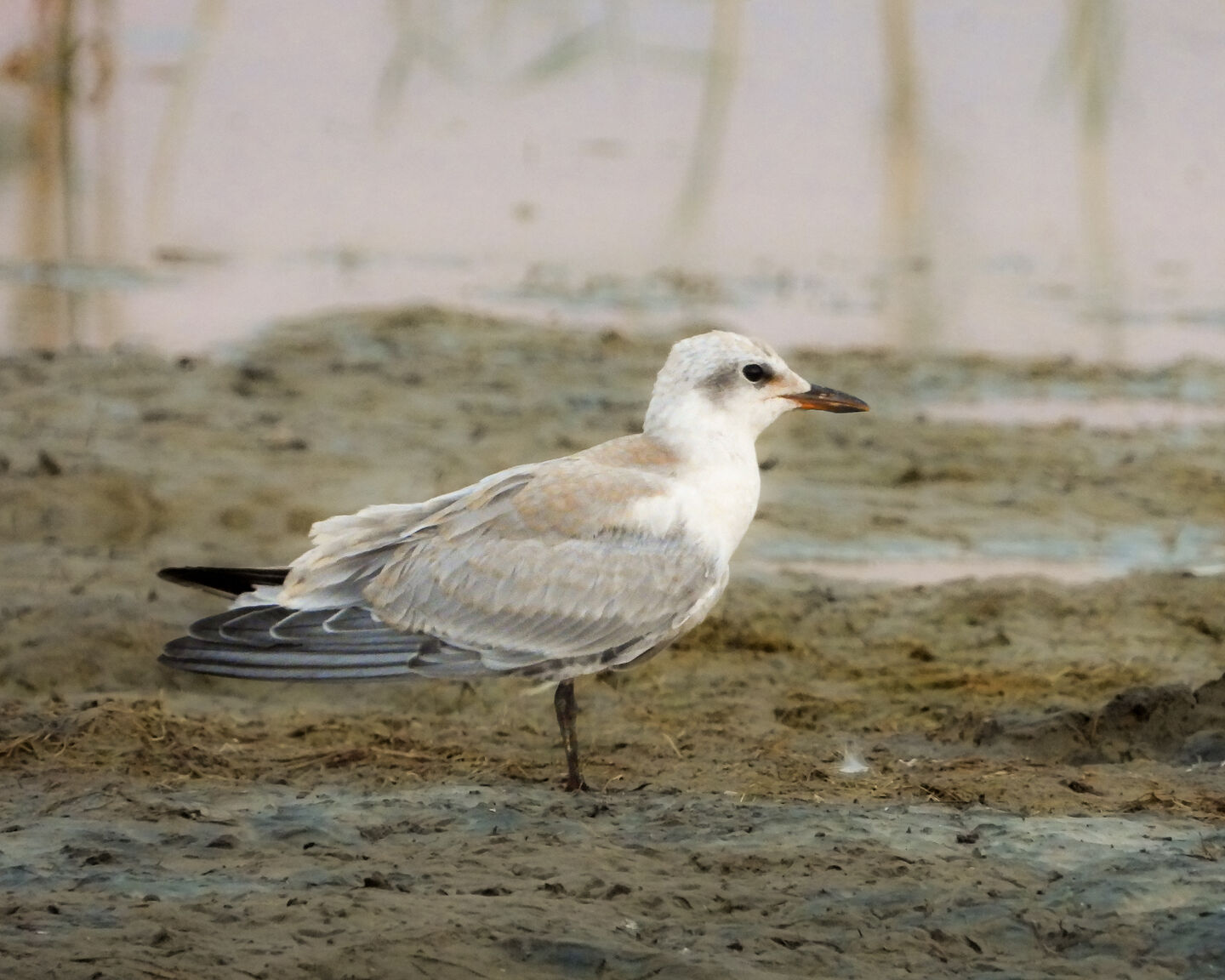
Анна Ясько: Чайконосая крачка.