
pictures
blog posts
search
classification:
Gaviiformes
Podicipediformes
Pelecaniformes
Ciconiiformes
Phoenicopteriformes
Anseriformes
Falconiformes
Galliformes
Gruiformes
Charadriiformes
Pterocletiformes
Columbiformes
Cuculiformes
Strigiformes
Caprimulgiformes
Apodiformes
Coraciiformes
Upupiformes
Piciformes
Passeriformes
Camping in Kanshengel. Day 1. Kanshengel, Topar, Taukum.
2013-06-01| Askar Isabekov
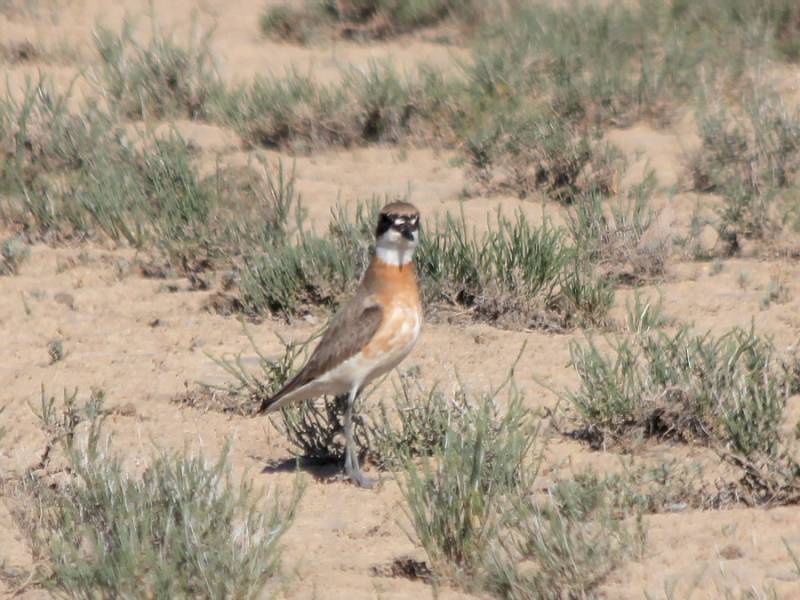
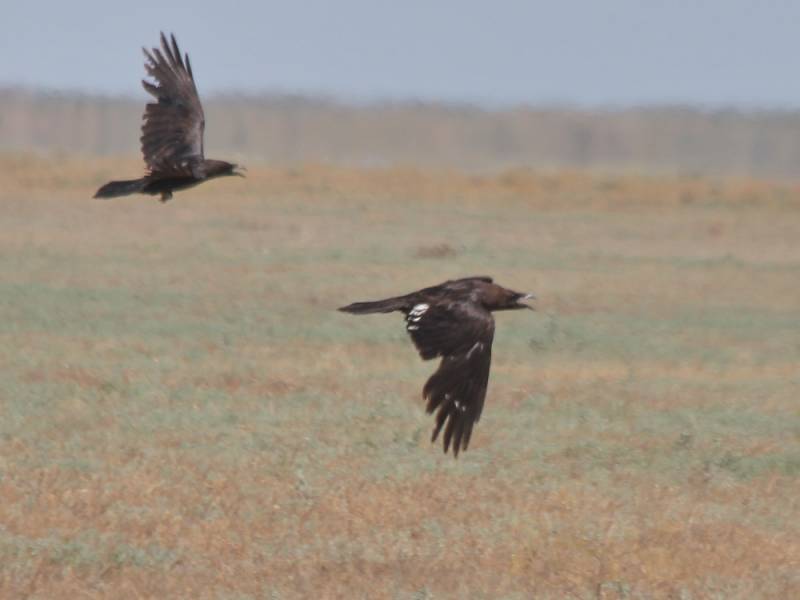
Yesterday we left the city at 8 pm and arrived to camping about 12 pm. Night is rather cold and hostess gave us the sleeping bags and blankets. Morning we get up early (not before sunrise but early) and before breakfast tried to find Macqueen’s Bustard and Caspian Plover which was observed this season near the camping. Nobody from us is able to search Macqueen’s Bustard therefore our attempt was unsuccessfull. Until we tried to find Bustard sun is high and the numerous Larks appeared all around, mostly Calandra and Greater Short-toed, sometimes Bimaculated Larks. We took photos of larks and explored plain clearings of rare low grass without tussocks, and finally found the colony of Greater Sand Plovers of about 5 or 6 couples with different age chicks. One of females diverting us from chick showed imitation of wounded bird, it was laying to land and up the wings. At 8am the Black-bellied Sandgrouses (main and guaranteed target of Kanshengel) began to visit the watering places. And some later the mirages of flying blue lakes appeared. Other significant records: flushing from the car’s wheels Little Bustard, flock of Common Swifts, Short-toed Snake-Eagle which three times moved from one place to another and then flew away. On the back road to the camping we noticed the large (about 50-60 birds) flock of Black Kites and Brown-necked Ravens. Ravens look black from a far, but on binocular viewing they show the difference in plumage color; some birds are solid dark-chocolate color, other ones has only chocolate head and shoulders with black rest of parts. But in all other features birds are similar, the same shape (shorter than in Common Raven tail, not heavy bill which is often open perhaps due to hot weather), I guess the difference is showing age of bird; adult birds are solid brown, but juveniles are with brown head only. The Caspian Plover will be found next season, Macqueen’s Bustard too.
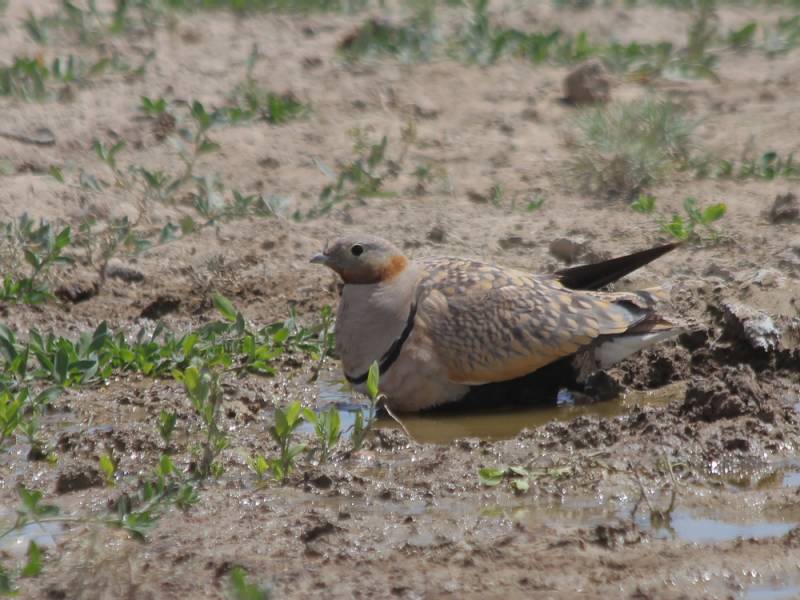
Having breakfast some later than it be planned we went to Topar lakes. On the road we quickly explore other artesian wells on which we watched Black-bellied Sandgrouses (one male was collecting water to the feathers, it was sitting in the pool, fluffing its feathers and tilting from side to side), Black-winged Stilts, Larks and five no shy juveniles of Greater Sand Plover. Here the Kites and one Egyptian Vulture were soaring in the sky.
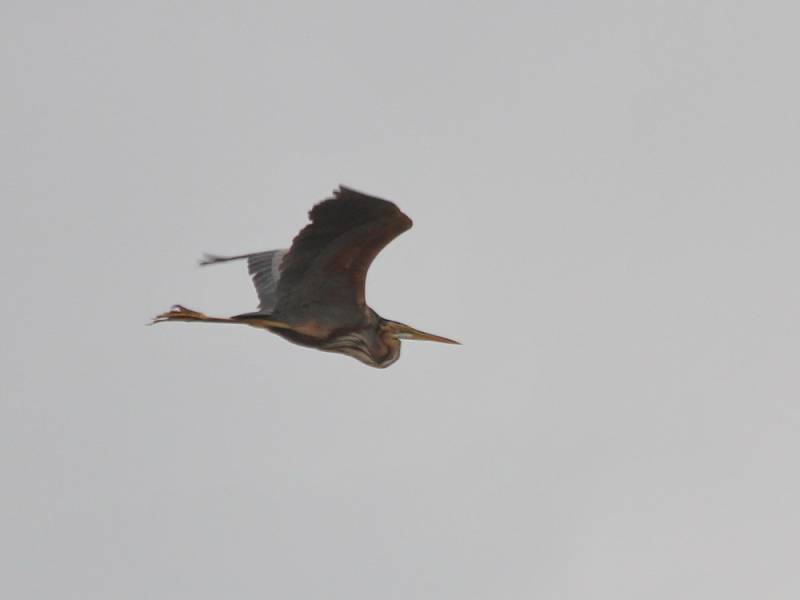
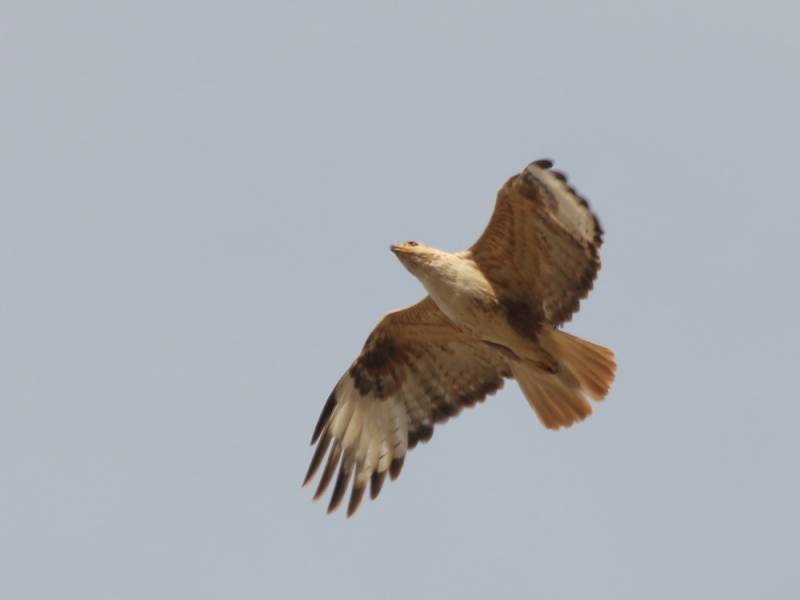
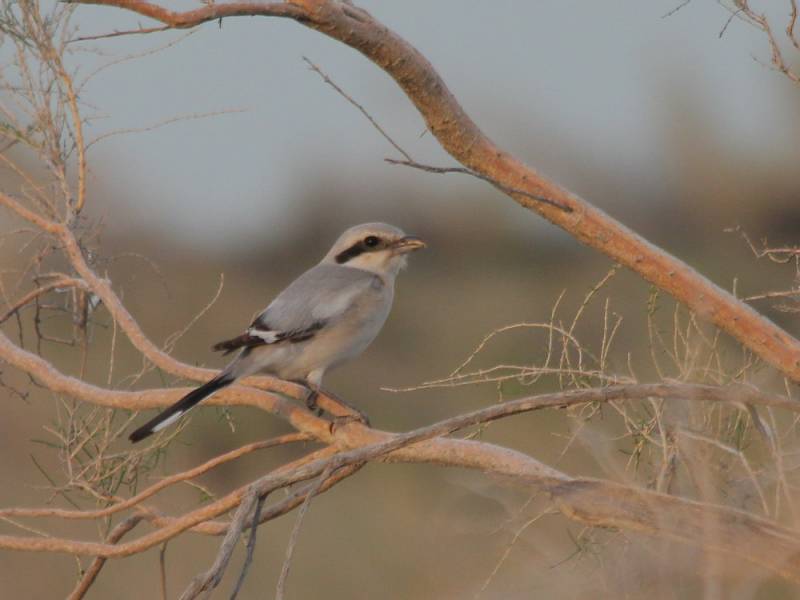
The road from Kanshengel to Topar can be conditionally divided into two parts: the Taukum desert and lakes directly near Topar. We decided to cross the desert quickly without stops because time was close to midday and we didn’t expect any significant records here. However we made stopping several times to take photos of Steppe Grey Shrike and to explore the nests of Long-legged Buzzards. Near the lakes we drove slower than in desert. Lakes are located on both sides of the road and rather beauty, coasts of some of them are covered by groves of turanga (Asian poplar) and reeds. There were not many birds in lakes, we saw common to this place Red-crested Pochards and Ferruuginous Ducks, both with broods, an also Gadwall. Of other water birds need to note the herons and egrets, we saw great White Egret, Grey Heron, twice Purple Heron, Night Heron and Little Bittern. Over the reed at Topar village the couple of marsh harriers were hovering. In turanga grove Gennady found the nest of Shikra, from time to time on the road we noticed Common Kestrels and Hobbies. Of the little passerines we saw Bluethroat, Azure Tit, Bearded Tits, common here Lesser Whitethroats, Syke’s Warbler, Turkestan Shrike, Red-headed Bunting, and also Saxaul Sparrow, Black-headed Wagtail and Turkestan Tit in bushes over Topar. In the spot where we saw Wagtail and Tit there is couple of White-winged Woodpeckers; representatives of all three species were concerning about posterity, Woodpeckers were discomposedly flying from one tree to another (but we didn’t find hole), Wagtails were flying with food in bills, Turkestan Tits were escorting the brood. Perhaps this little spot has anything need to the nesting of birds, anything which is absent in other same spots in a radius of hundreds of meters around.
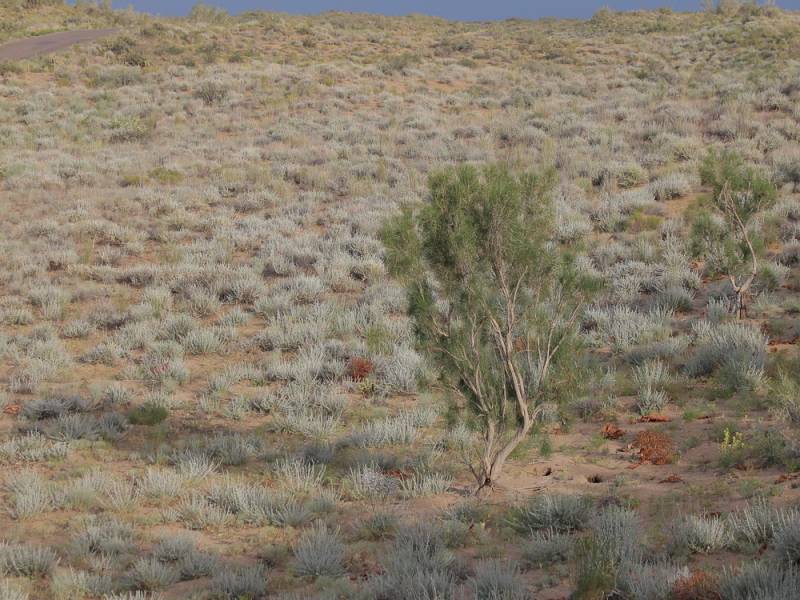
Time was close to sunset and we started to back to camping, moreover we wanted to explore Taukum sands in evening cool. Quickly crossing lakes in back direction we made stopping near nests of Long-legged Buzzards which we counted four. All of them located in saxaul trees at height up to 2 meters from a ground. There are 3,2,1 nestlings in the first three nests but we didn’t count them in the fourth nest. Nestlings in all nests are grown up and feathered, no one white fluff chicks. Two nests located rather close one to another (less than one kilometer), distance between other ones was from 2 to 5 kms. Some times we stopped and looked to sand hills in binoculars but birds were a bit. Only in some places be possible to view more than one bird, mostly we saw Red-headed Buntings, Lesser Whitethroats, Turkestan Shrikes, Isabelline Wheatears, sometimes Steppe Grey Shrikes, Tawny Pipits, one Rufous-tailed Bush Robin, Crested Larks.
We came back to camping before the darkness. When we absent the dust storm was here, the strong wind we found too. After the bathing we had supper, told about today birding, formed trip list, recharged the battery. While these little common deals were the fatigue came, all people dispersed by yurts and went sleep with the noise of wind. Night was very warm.
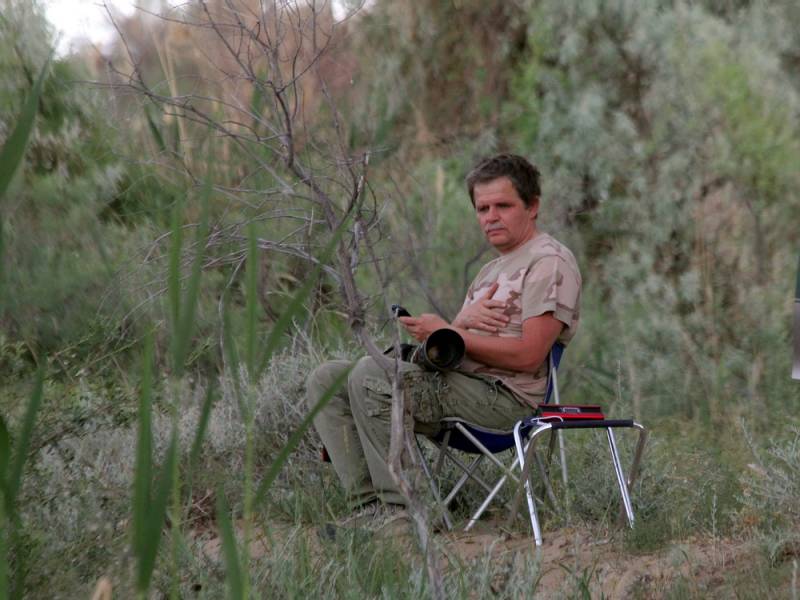
1. Sanzhar Abdikhalyk

2. Greater Short-toed Lark | Calandrella brachydactyla

3. Syke's Warbler | Hippolais rama

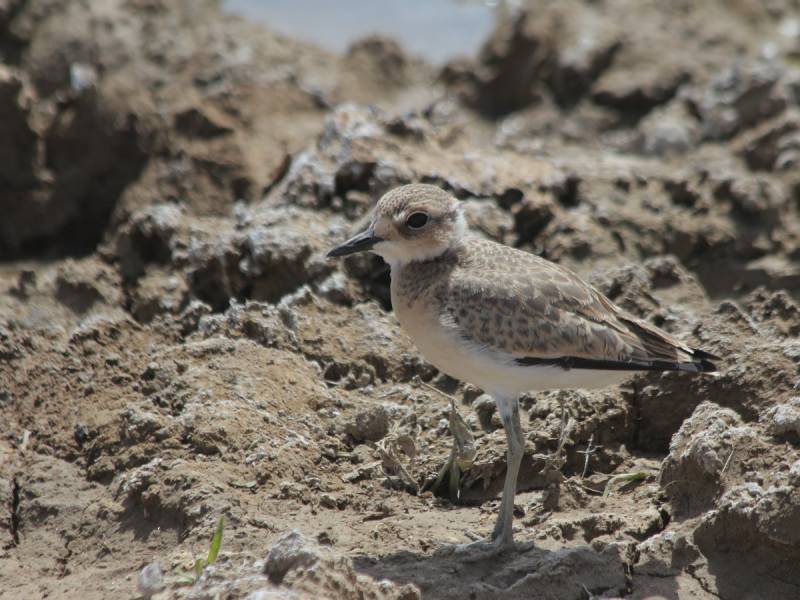
4. Greater Sand Plover | Charadrius leschenaultii
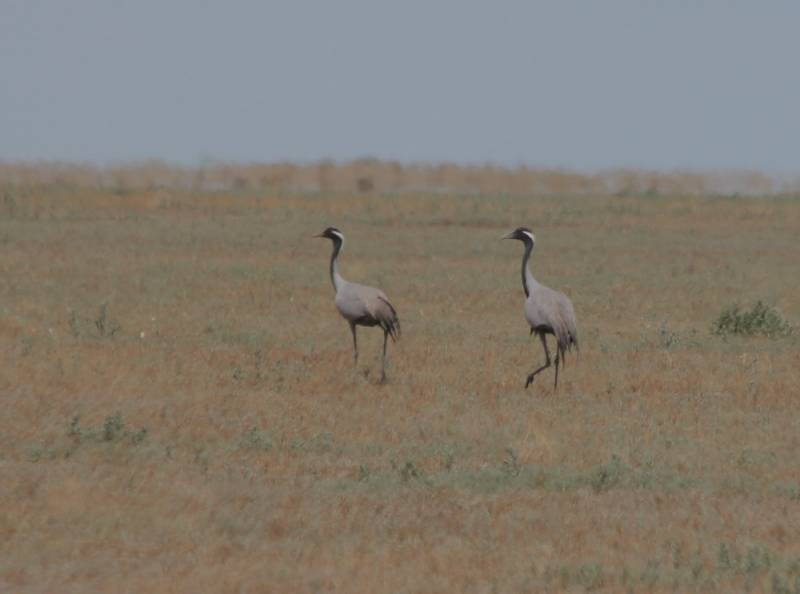
5. Demoiselle Cranes | Anthropoides virgo
6. Brown-necked Ravens | Corvus ruficollis
7. Black-Bellied Sandgrouse | Pterocles orientalis
8. Juv. Greater Sand Plover | Charadrius leschenaultii
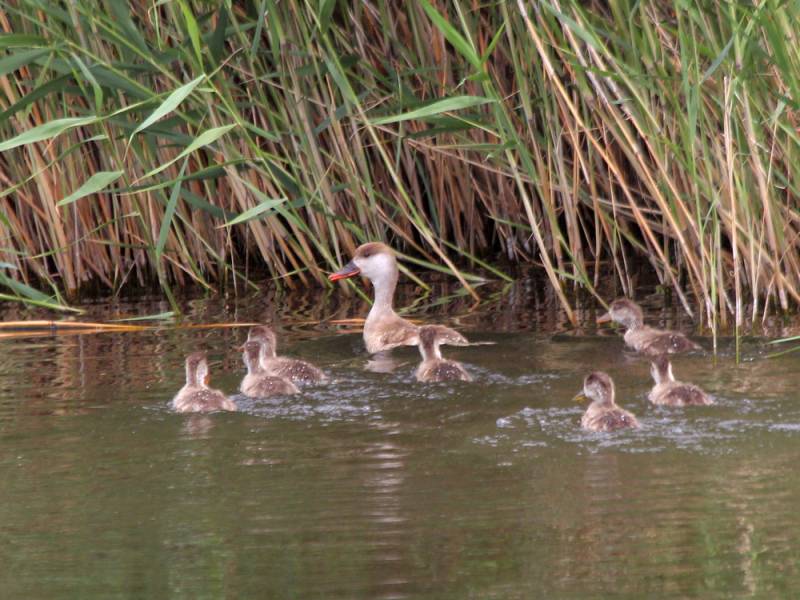
9. Female Red-crested Pochard with ducklings | Netta rufina
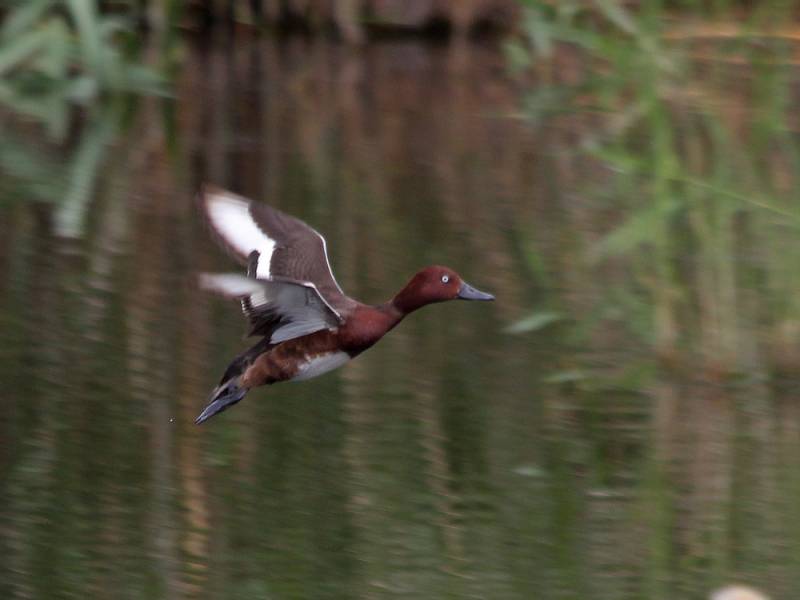
10. Ferruginous Duck | Aythya nyroca
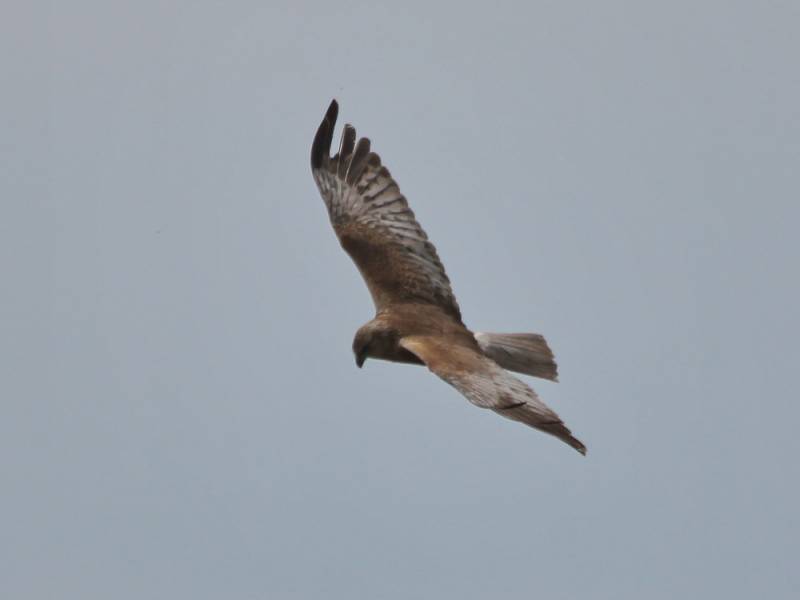
11. Western Marsh-Harrier | Circus aeruginosus
12. Gennady Dyakin
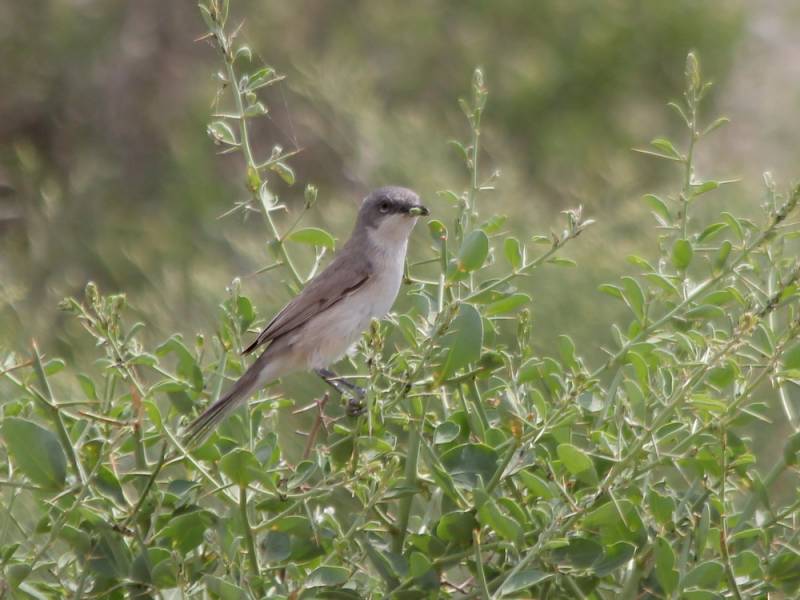
13. Lesser Whitethroat | Sylvia curruca halimodendri
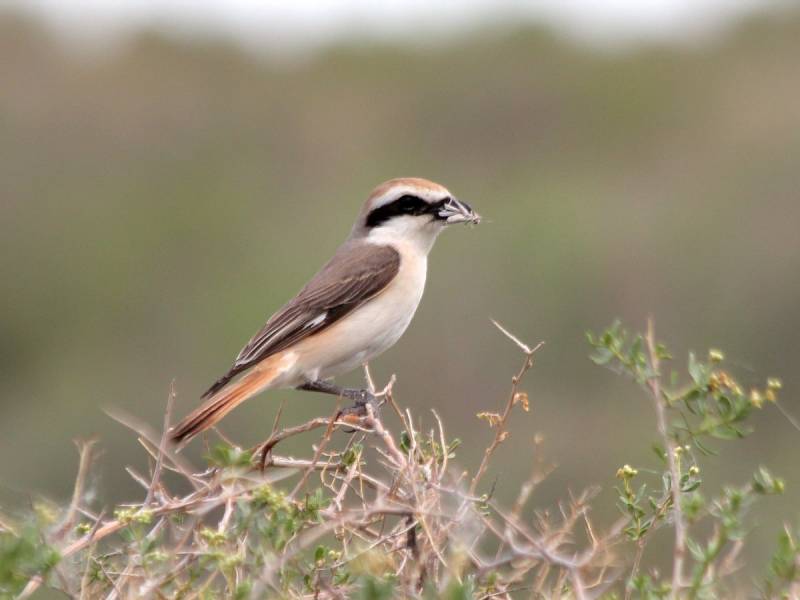
14. Turkestan Shrike | Lanius phoenicuroides karelini
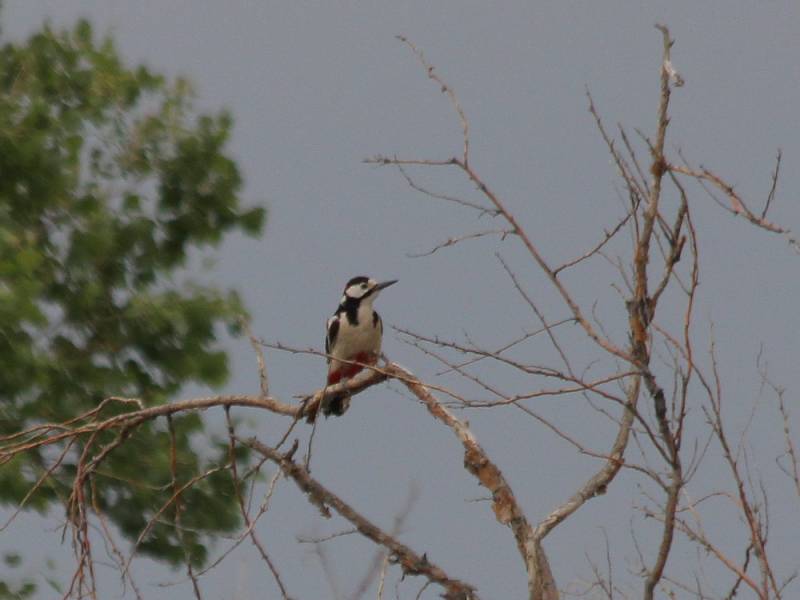
15. White-Winged Woodpecker | Dendrocopos leucopterus leptorhynchus
16. Purple Heron | Ardea purpurea
17. Long-legged Buzzard | Buteo rufinus
18. Saxaul tree in Taukum desert
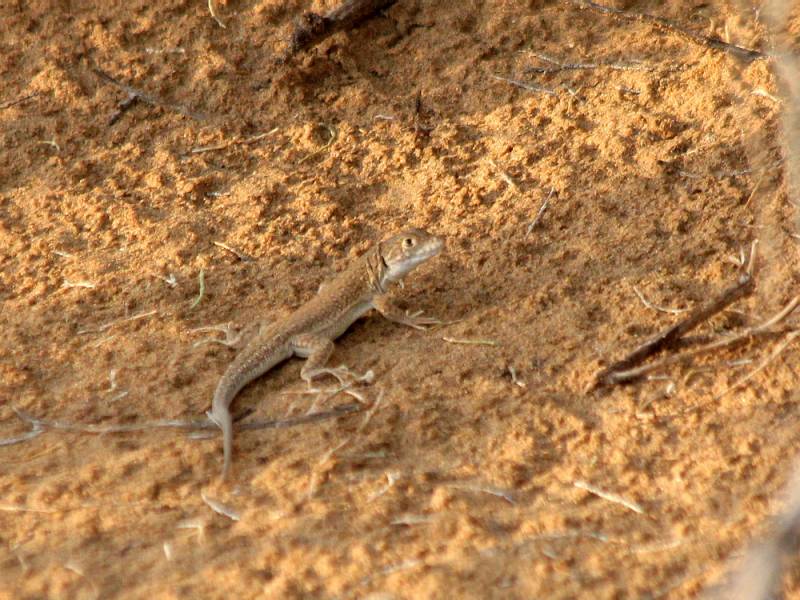
19.
20. Steppe Grey Shrike | Lanius pallidirostris
calendar
2026
| jan | feb | mar | apr |
| may | jun | jul | aug |
| sep | oct | nov | dec |
| jan | feb | mar | apr |
| may | jun | jul | aug |
| sep | oct | nov | dec |
| jan | feb | mar | apr |
| may | jun | jul | aug |
| sep | oct | nov | dec |
| jan | feb | mar | apr |
| may | jun | jul | aug |
| sep | oct | nov | dec |
| jan | feb | mar | apr |
| may | jun | jul | aug |
| sep | oct | nov | dec |
| jan | feb | mar | apr |
| may | jun | jul | aug |
| sep | oct | nov | dec |
| jan | feb | mar | apr |
| may | jun | jul | aug |
| sep | oct | nov | dec |
| jan | feb | mar | apr |
| may | jun | jul | aug |
| sep | oct | nov | dec |
| jan | feb | mar | apr |
| may | jun | jul | aug |
| sep | oct | nov | dec |
| jan | feb | mar | apr |
| may | jun | jul | aug |
| sep | oct | nov | dec |
| jan | feb | mar | apr |
| may | jun | jul | aug |
| sep | oct | nov | dec |
| jan | feb | mar | apr |
| may | jun | jul | aug |
| sep | oct | nov | dec |
| jan | feb | mar | apr |
| may | jun | jul | aug |
| sep | oct | nov | dec |
| jan | feb | mar | apr |
| may | jun | jul | aug |
| sep | oct | nov | dec |
| jan | feb | mar | apr |
| may | jun | jul | aug |
| sep | oct | nov | dec |
| jan | feb | mar | apr |
| may | jun | jul | aug |
| sep | oct | nov | dec |
| jan | feb | mar | apr |
| may | jun | jul | aug |
| sep | oct | nov | dec |
| jan | feb | mar | apr |
| may | jun | jul | aug |
| sep | oct | nov | dec |
| jan | feb | mar | apr |
| may | jun | jul | aug |
| sep | oct | nov | dec |
| jan | feb | mar | apr |
| may | jun | jul | aug |
| sep | oct | nov | dec |
| jan | feb | mar | apr |
| may | jun | jul | aug |
| sep | oct | nov | dec |
| jan | feb | mar | apr |
| may | jun | jul | aug |
| sep | oct | nov | dec |
rare birds records
Squacco Heron (Ardeola ralloides)
© Andrey Kovalenko
2026-06-06
Almaty area, Sorbulak.
Great Snipe (Gallinago media)
© Vasilii Bastaev
2026-05-08
Karakol lake, Mangystau
Great Snipe (Gallinago media)
© Qanatbek Kenzhegulov
2026-04-14
Aktau, Mangystau region
Northern Wren (Troglodytes troglodytes)
© Alexandr Fedulin
2026-03-30
Big Year 2026
2. Aizhan Baitimbet (270)
3. Galym Baitimbet (267)
4. Zhaskairat Ermek (261)
5. Nikita Kanunnikov (228)
6. Gennadiy Dyakin (219)
7. Vladimir Muravskiy (219)
8. Andrey Kovalenko (196)
9. Sirimbet Zharilkasin (196)
10. Viktoriya Zvyaginceva (182)
unidentified birds
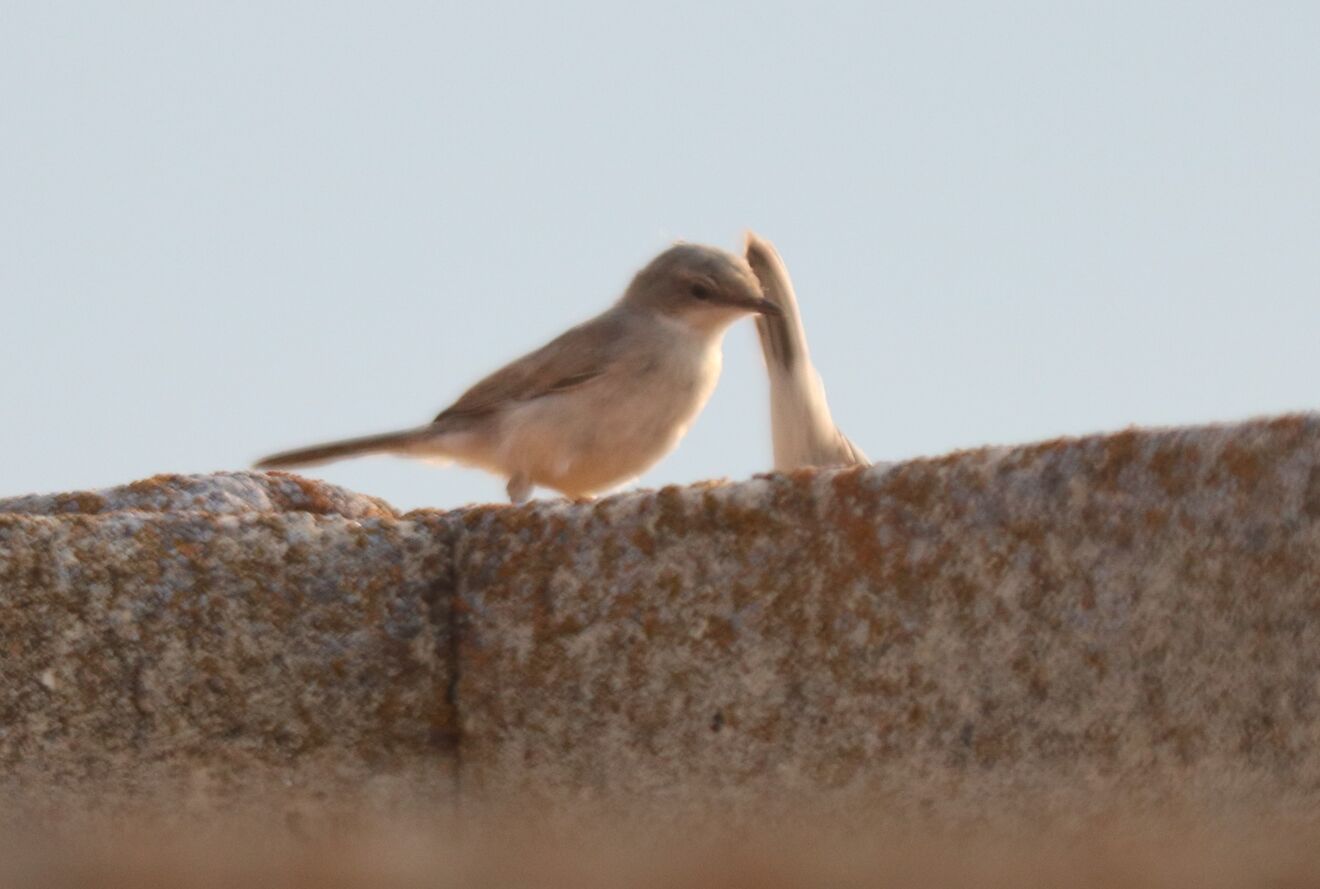
Жаскайрат Ермек: Садовая славка?
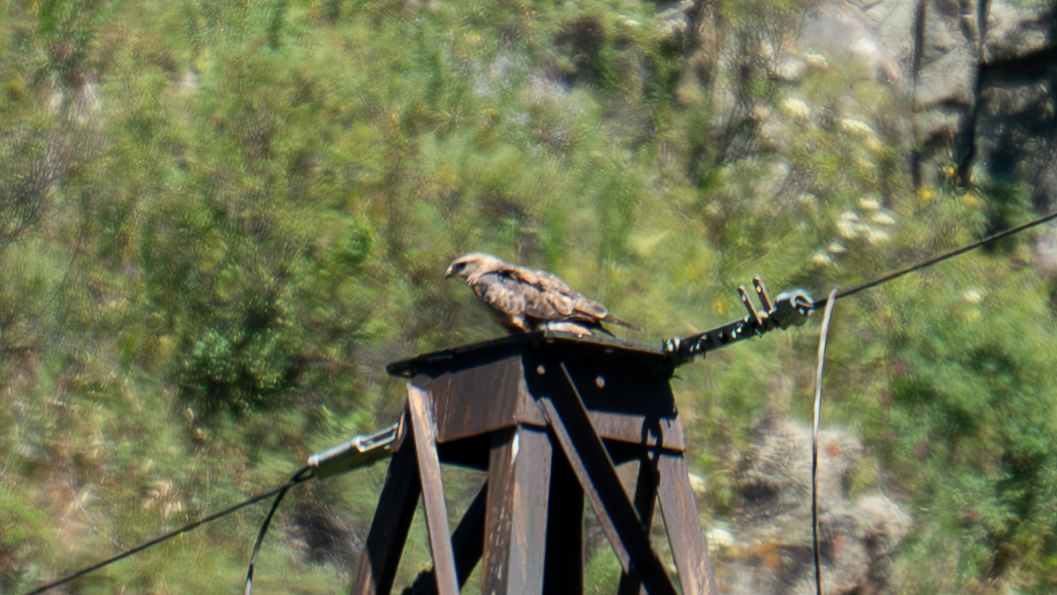
Руслан Абутрапов: Спасибо!
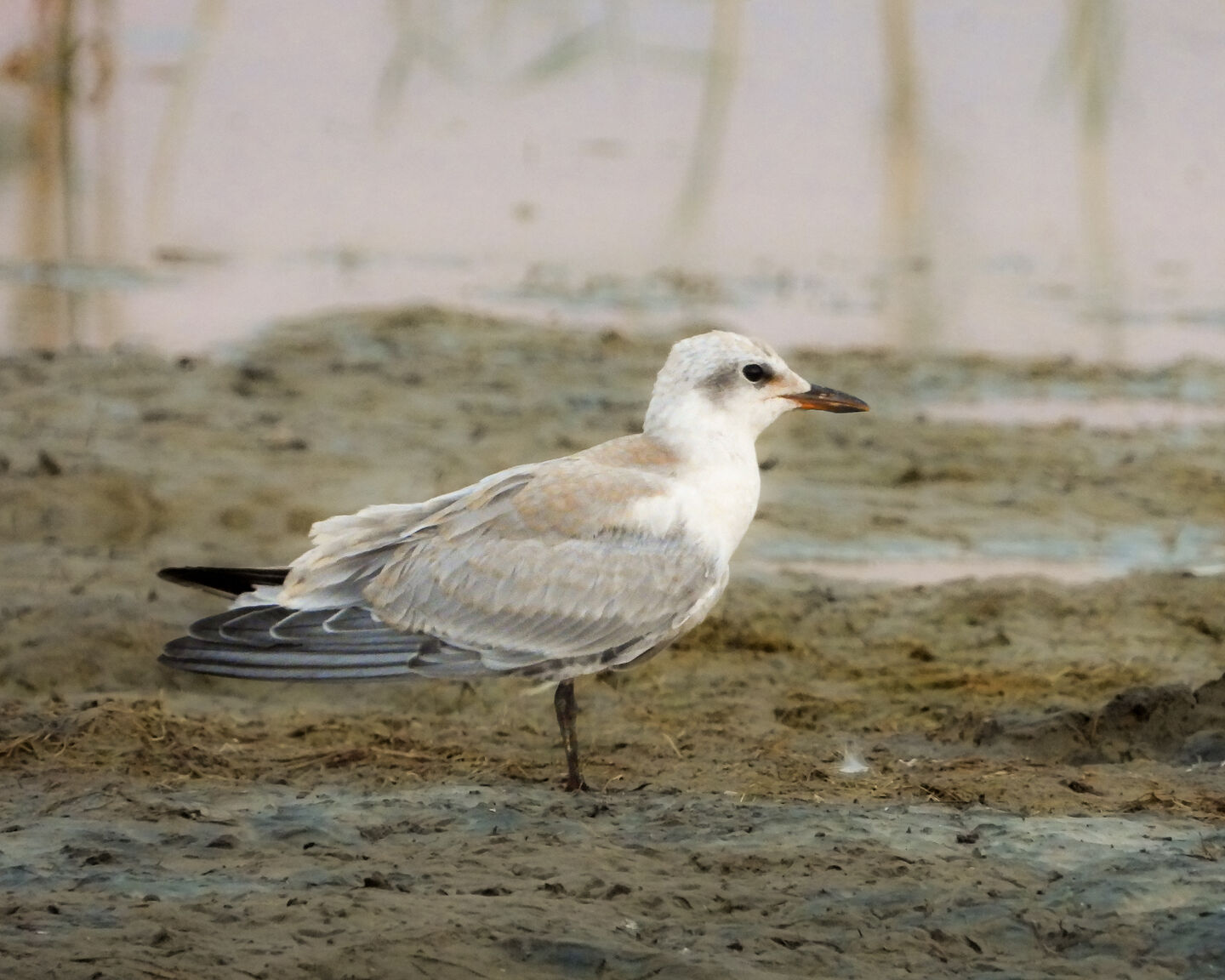
Анна Ясько: Чайконосая крачка.