
pictures
blog posts
search
classification:
Gaviiformes
Podicipediformes
Pelecaniformes
Ciconiiformes
Phoenicopteriformes
Anseriformes
Falconiformes
Galliformes
Gruiformes
Charadriiformes
Pterocletiformes
Columbiformes
Cuculiformes
Strigiformes
Caprimulgiformes
Apodiformes
Coraciiformes
Upupiformes
Piciformes
Passeriformes
Camping in Kanshengel. Day 2. Kanshengel, Kurty, Sorbulak.
2013-06-02| Askar Isabekov
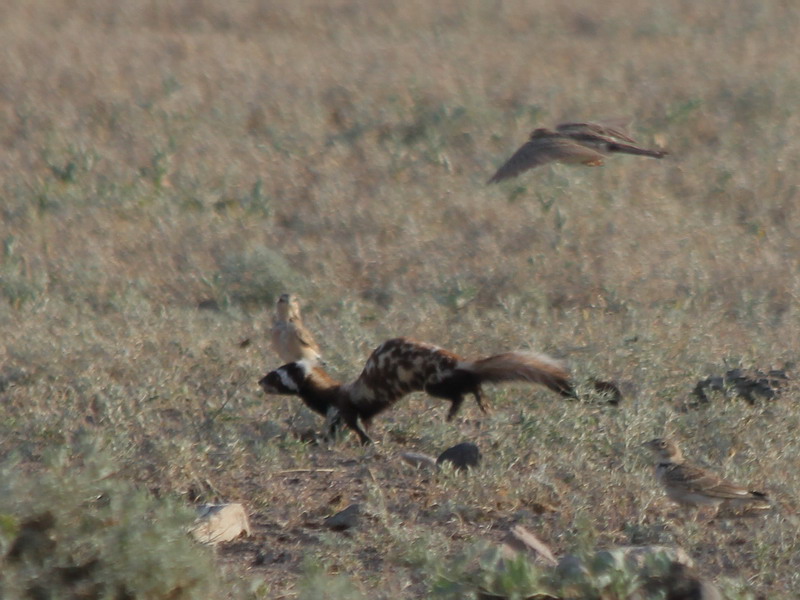
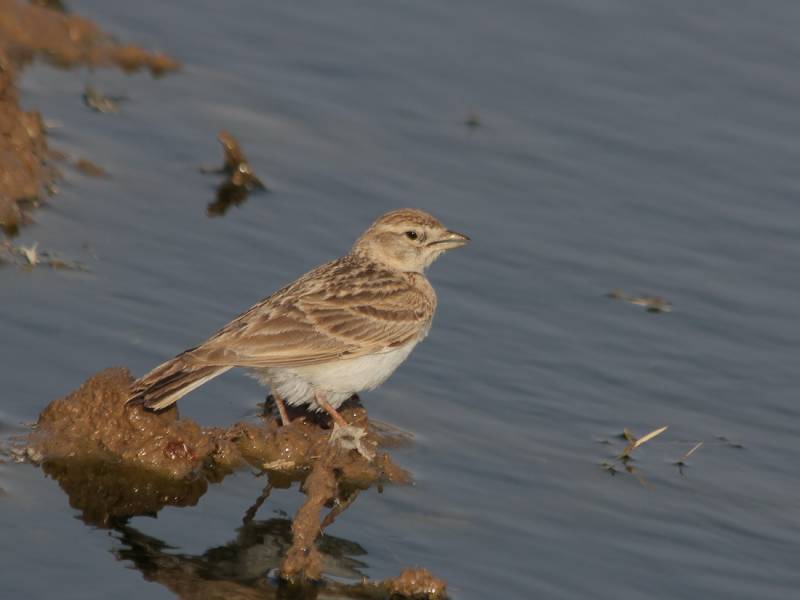
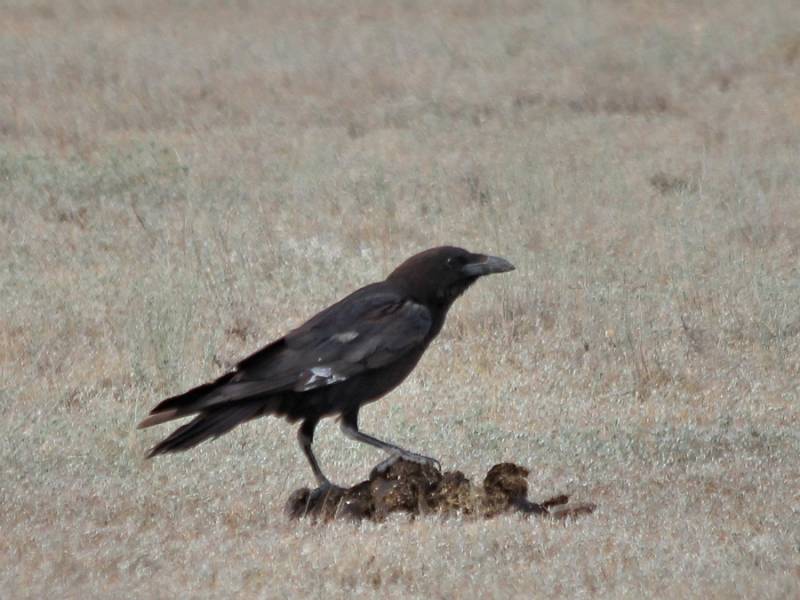
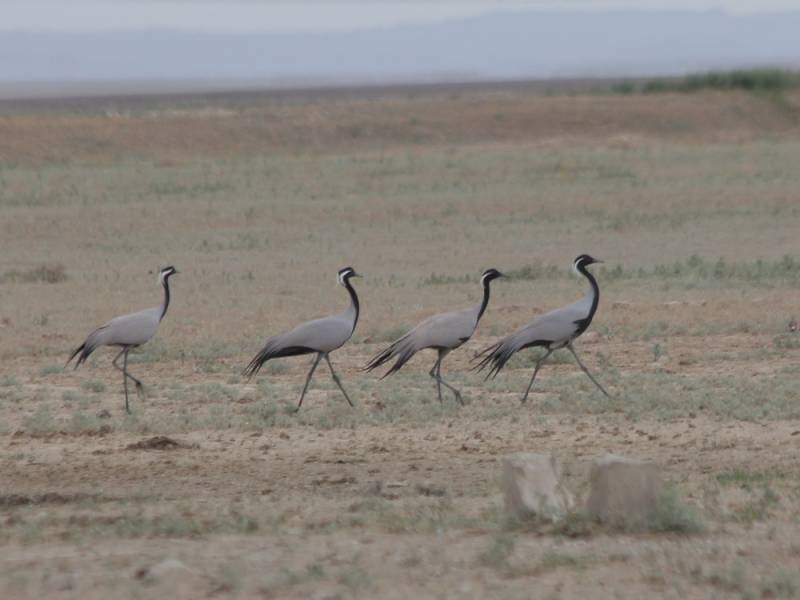
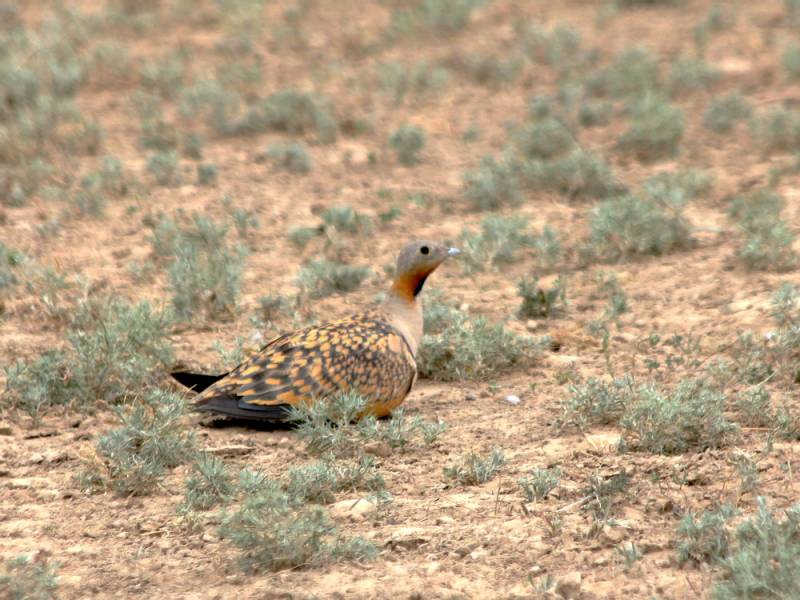
I waked up early but sun already rose but hid over the clouds. I went to the next artesian-well where I watched the Larks. In addition to Larks one Demoiselle Crane came to well but noticed me, turned and flew away. Wind was strong and its direction was to clouds, means sun will open soon. And it was after a short time. I and Gennady went to well where yesterday we watched tens of Brown-necked Ravens. Here we noticed Marbled Polecat. Polecat entered to concrete split, then went to the steppe in company of tens of Larks; some of Larks perhaps to distract Polecat from the nests in my opinion. One Black-bellied Sandgrouse came and landed at some distance. Then two more Sandgrouses came but noticing the car flew away; the first Sandgrouse flew away too. Brown-necked Ravens which were our main target in this spot were coming but landing far and flying away from a short time. We came back to the camping without any significant records, had the breakfast and went to the city direction.
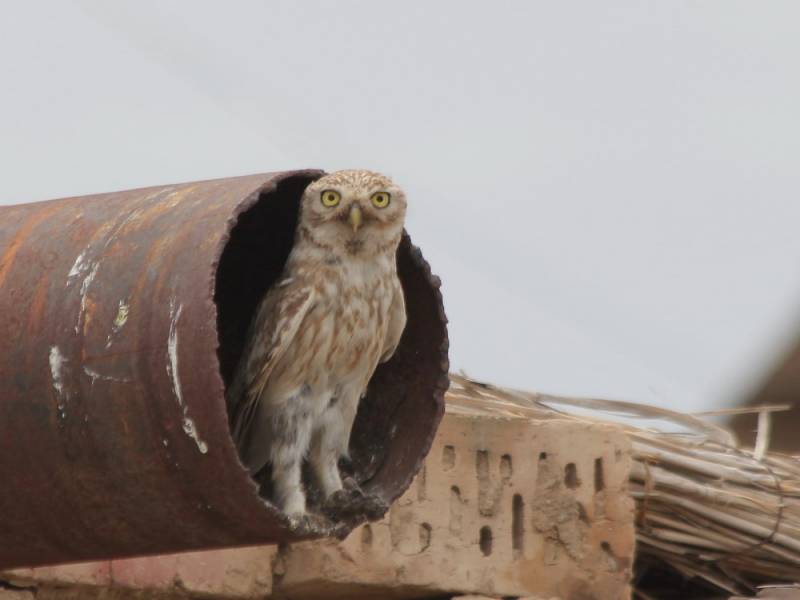
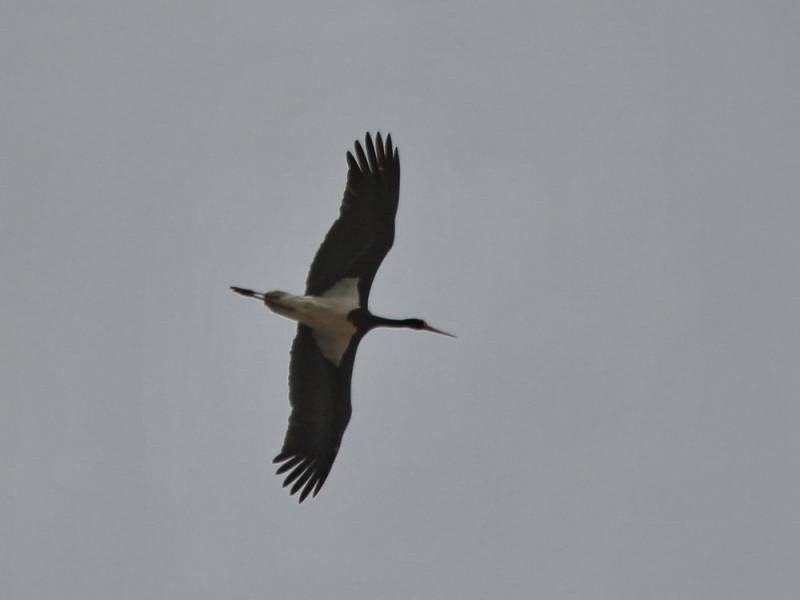
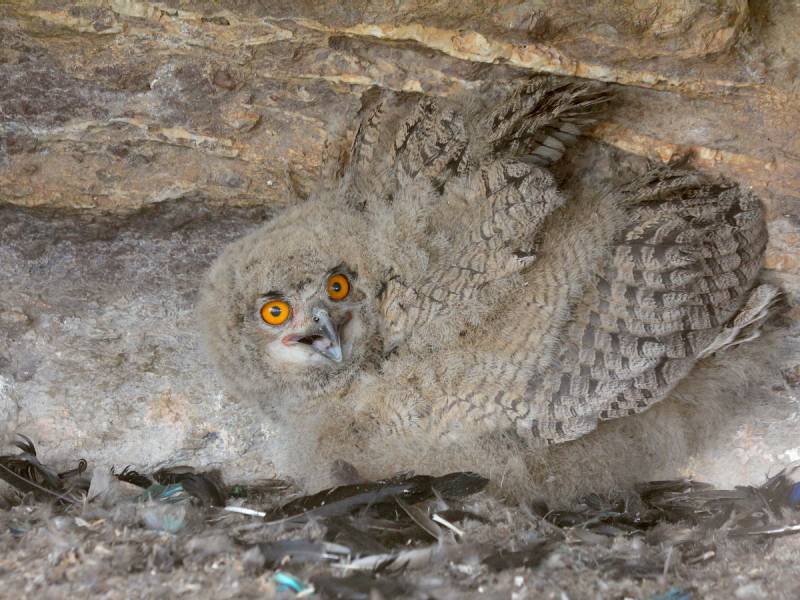
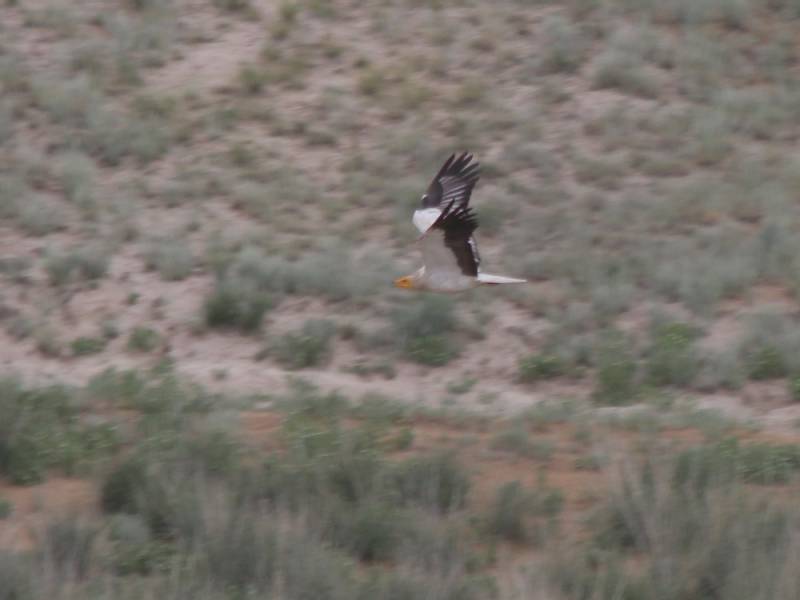
Firstly we visited Kanshengel village to see the Little Owl, we found it in the same place where I found it some years ago – near farm with horizontal pipe. Last visit in this pipe we shot juvenile Owls, in the same pipe Owl hid now too. The visit of saline soil near Aidarly was without interesting birds, and we drove on Kurty. Here we went directly to the rocks with nest of Black Stork. Stork was in the hole, but flew out on our approaching it, then soaring a long time and flew away, so we didn’t see it next half hour. Gennady decided to check the splits in rocks to find the nest of Eagle Owl. And he found it after one minute! Further I looked photos of Vassily and Oleg and I think it is the same nest, but last visit there are two chicks in the nest. Where is the second chick? I have two suggestions, first one is sad: chick was died, second suggestion is realistic: chick was on walking. Then we looked birds of prey soaring in the sky, firstly we saw four birds, then five, then six. First birds were two Griffon Vultures and two Cinereous Vultures, but when they rose high it’s impossible to recognize them. One minute later one Egyptian Vulture flew back and forth. So visit of Kurty was successful, even little rain didn’t break the good impression.
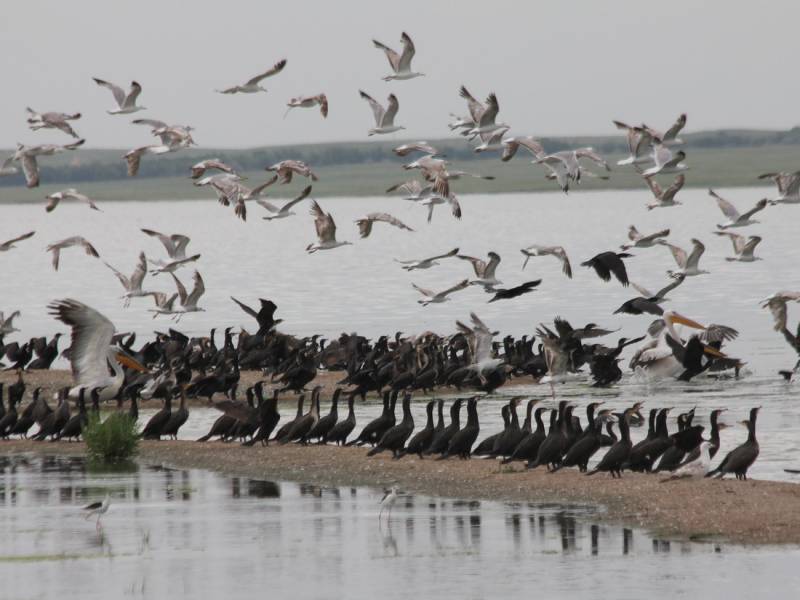
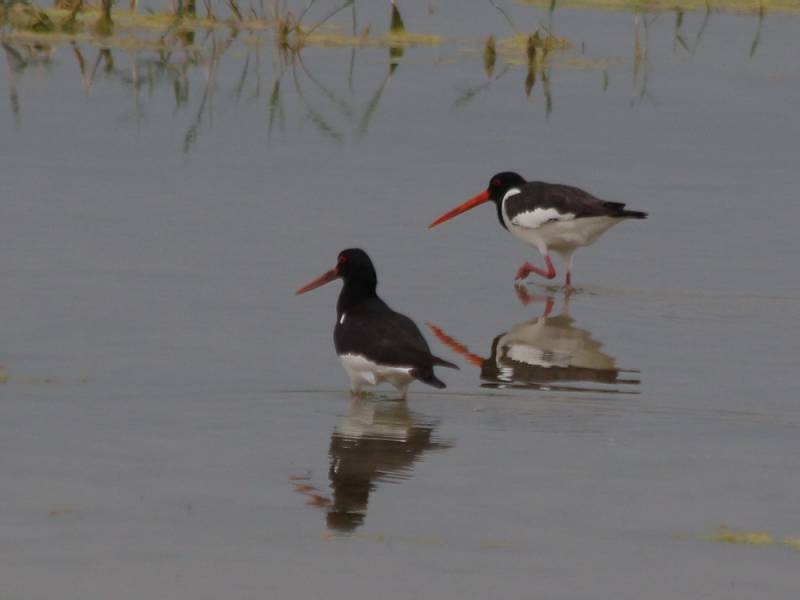
The next spot is Sorbulak. In the first dam there are a lot of birds – Caspian Gulls, Great Cormorants, both species of Pelicans, and Crested Grebes on the water. In another side of road we saw several Stilts, Red-crested Pochards, two Oystercatchers and one Curlew. The south coast is free until the sandy beach where we saw many Cormorants and Pelicans too. Also some Ruddy and Common Shellducks, Whooper (on beach) and Mute (on water) Swans were observed. I am really sorry the Cormorants sitting on the sands, they did not fly away as human planned, they doesn’t understand that human purposefully killed them, they think that fire was the act of god which they could to survive. Pelicans probably were not killed by human because in the left half of the Pelican Island birds are laying not staying. So probably humans didn’t shoot Pelicans, and tread their eggs. Why humans did not it? What was stopped them? The last drops of humanism or the law? Pelicans unlike Cormorants are under the law protection. Colony of Cormorants is not protected, Cormorants perched on the trees without leaf, most of nests were burned.
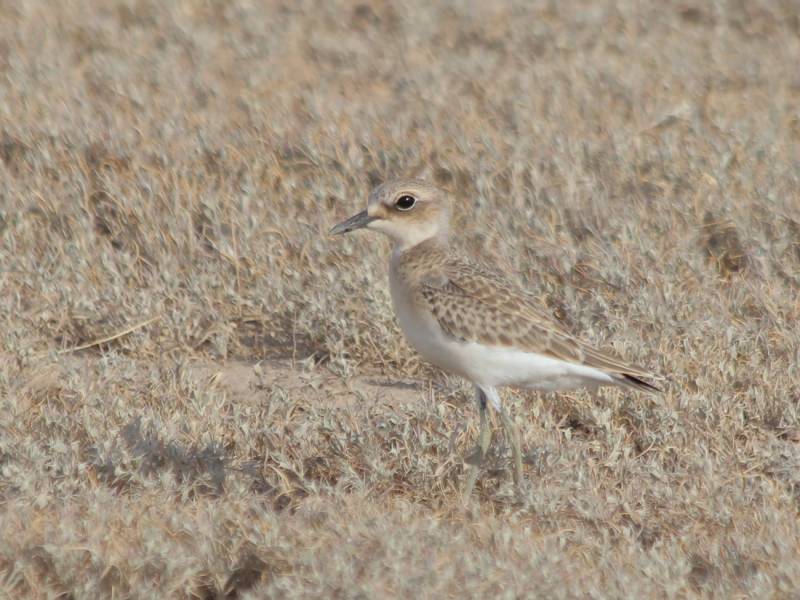
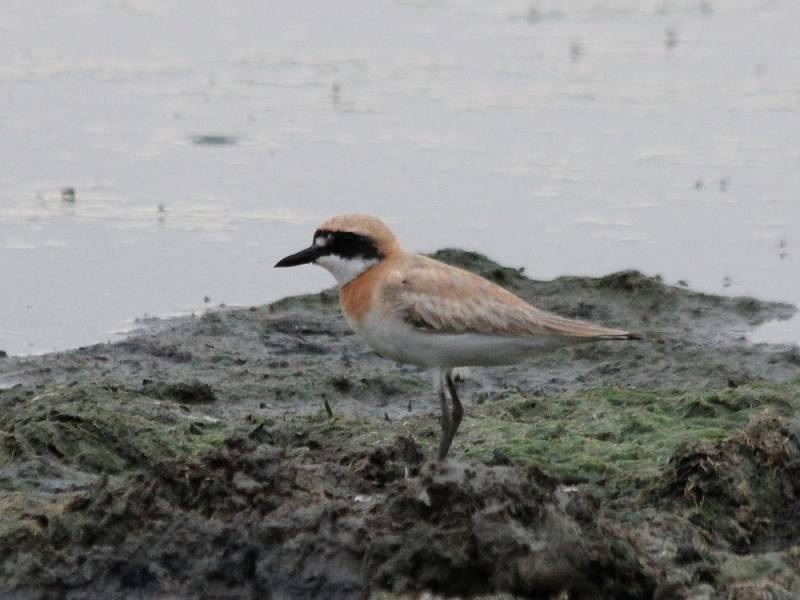
The most expected bird of Sorbulak for me is Lesser Sand Plover. We noticed it, and even bright spring male, and even not shy specimen. Plover was feeding near us until the Hobby came. After looking the photos on the computer I think that this Lesser Sand Plover related to Mongolian not to Pamir subspecies as considered; it has rather large white spots on the forehead and narrow black border separated reddish from white on breast. (I confused, bird is Greater Sand Plover - A.I.)
Some words about tour. Kanshengel is very unique spot, where after one hour you don’t pay attention to the Sandgrouses because they are a lot. Probably the same spots are present, but they are farther or harder to reach than Kanshengel. The one negative of Kanshengel is the long distance to it, 400 kilometers there and back, and 50-80 kilometers during the day in the spots is the hard to driver. It’s possible to do this trip in one day, but two days trip is better. It’s possible to night in own tent, but camping has some good options such as shower, hot food, electric light, security and ensuing consequences as pleasant conversation with hot tea before the sleeping. So I plan to visit this camping next season.
1. Barn Swallow | Hirundo rustica

2.

3. Crested Lark | Galerida cristata iwanowi

4. Marbled Polecat (Vormela peregusna)
5. Greater Short-toed Lark | Calandrella brachydactyla
6. Greater Sand Plover | Charadrius leschenaultii
7. Brown-necked Raven | Corvus ruficollis
8. Demoiselle Cranes | Anthropoides virgo
9. Black-Bellied Sandgrouse | Pterocles orientalis
10. Little Owl | Athene noctua bactriana
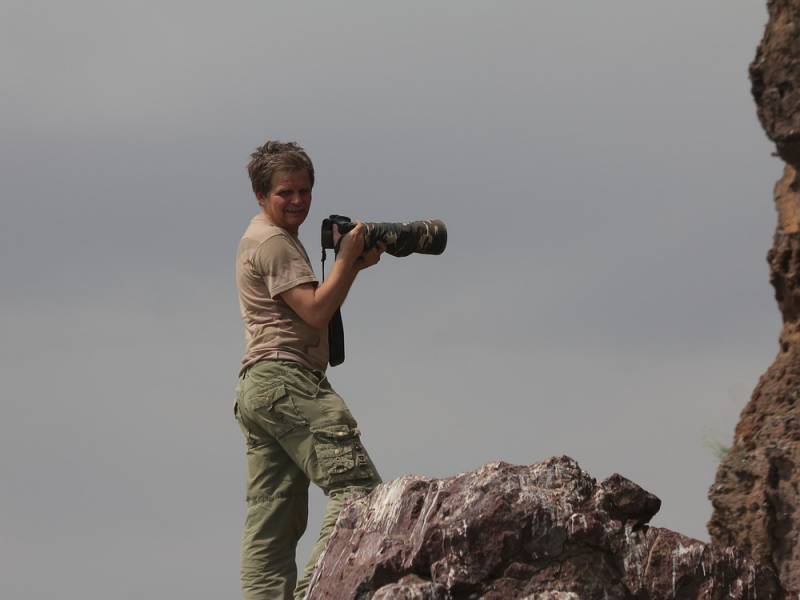
11. Gennady Dyakin
12. Black Stork | Ciconia nigra
13. Chick of Eurasian Eagle-Owl | Bubo bubo
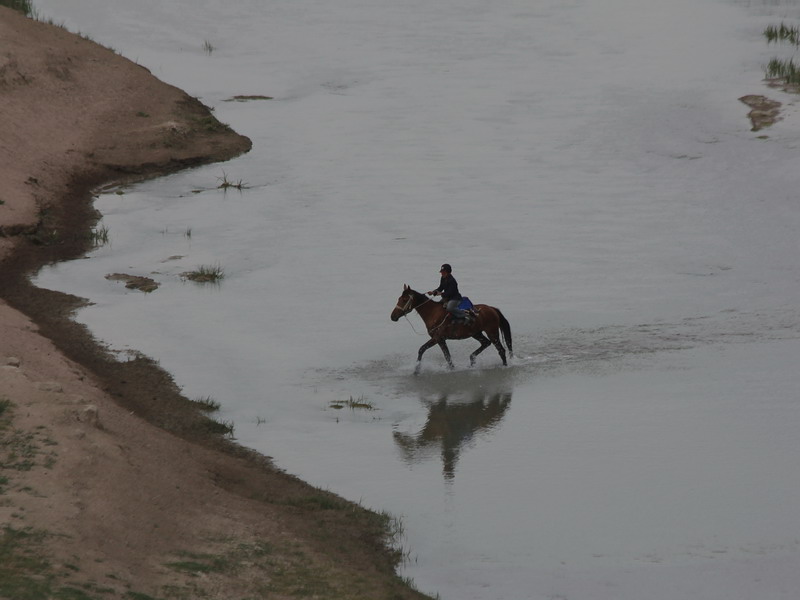
14. Kurty river
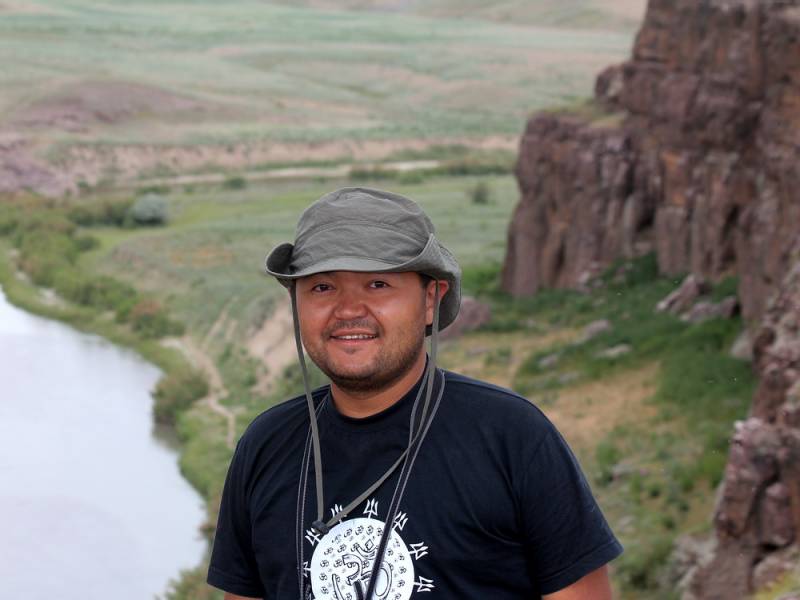
15. Sanzhar Abdikhalyk
16. Egyptian Vulture | Neophron percnopterus
17. Sorbulak
18. Common Oystercatchers | Haematopus ostralegus
19.
| # | species | number | |
| 1 | Black-Necked Grebe (Podiceps nigricollis) | из списка Санжара | |
| 2 | Great Crested Grebe (Podiceps cristatus) | ||
| 3 | Dalmatian Pelican (Pelecanus crispus) | ||
| 4 | Great White Pelican (Pelecanus onocrotalus) | ||
| 5 | Great Cormorant (Phalacrocorax carbo) | ||
| 6 | Little Bittern (Ixobrychus minutus) | ||
| 7 | Black-crowned Night Heron (Nycticorax nycticorax) | ||
| 8 | Great White Egret (Egretta alba) | ||
| 9 | Grey Heron (Ardea cinerea) | ||
| 10 | Purple Heron (Ardea purpurea) | ||
| 11 | Black Stork (Ciconia nigra) | ||
| 12 | Mute Swan (Cygnus olor) | ||
| 13 | Whooper Swan (Cygnus cygnus) | ||
| 14 | Ruddy Shelduck (Tadorna ferruginea) | ||
| 15 | Common Shelduck (Tadorna tadorna) | ||
| 16 | Mallard (Anas platyrhynchos) | ||
| 17 | Gadwall (Anas strepera) | ||
| 18 | Northern Shoveler (Anas clypeata) | из списка Санжара | |
| 19 | Red-crested Pochard (Netta rufina) | ||
| 20 | Common Pochard (Aythya ferina) | из списка Санжара | |
| 21 | Ferruginous Duck (Aythya nyroca) | ||
| 22 | White-headed Duck (Oxyura leucocephala) | из списка Санжара | |
| 23 | Black Kite (Milvus migrans) | ||
| 24 | Montagu's Harrier (Circus pygargus) | ||
| 25 | Western Marsh-Harrier (Circus aeruginosus) | ||
| 26 | Levant Sparrowhawk (Accipiter brevipes) | ||
| 27 | Long-legged Buzzard (Buteo rufinus) | ||
| 28 | Short-toed Snake-Eagle (Circaetus gallicus) | ||
| 29 | Steppe Eagle (Aquila nipalensis) | из списка Санжара | |
| 30 | White-tailed Sea-Eagle (Haliaeetus albicilla) | из списка Санжара | |
| 31 | Egyptian Vulture (Neophron percnopterus) | ||
| 32 | Cinereous Vulture (Aegypius monachus) | ||
| 33 | Griffon Vulture (Gyps fulvus) | ||
| 34 | Eurasian Hobby (Falco subbuteo) | ||
| 35 | Common Kestrel (Falco tinnunculus) | ||
| 36 | Common Pheasant (Phasianus colchicus) | ||
| 37 | Demoiselle Crane (Anthropoides virgo) | ||
| 38 | Common Moorhen (Gallinula chloropus) | ||
| 39 | Common Coot (Fulica atra) | ||
| 40 | Little Bustard (Tetrax tetrax) | ||
| 41 | Little Ringed Plover (Charadrius dubius) | ||
| 42 | Greater Sand Plover (Charadrius leschenaultii) | ||
| 43 | Northern Lapwing (Vanellus vanellus) | ||
| 44 | Black-winged Stilt (Himantopus himantopus) | ||
| 45 | Common Oystercatcher (Haematopus ostralegus) | ||
| 46 | Common Redshank (Tringa totanus) | ||
| 47 | Eurasian Curlew (Numenius arquata) | ||
| 48 | Black-headed Gull (Larus ridibundus) | ||
| 49 | Caspian Gull (Larus cachinnans) | ||
| 50 | Black Tern (Chlidonias nigra) | ||
| 51 | Common Tern (Sterna hirundo) | ||
| 52 | Black-Bellied Sandgrouse (Pterocles orientalis) | ||
| 53 | Rock Pigeon (Columba livia) | ||
| 54 | Eurasian Collared Dove (Streptopelia decaocto) | из списка Санжара | |
| 55 | Oriental Turtle Dove (Streptopelia orientalis) | ||
| 56 | Laughing Dove (Streptopelia senegalensis) | из списка Санжара | |
| 57 | Common Cuckoo (Cuculus canorus) | ||
| 58 | Eurasian Eagle-Owl (Bubo bubo) | ||
| 59 | Little Owl (Athene noctua) | ||
| 60 | Common Swift (Apus apus) | ||
| 61 | Eurasian Roller (Coracias garrulus) | ||
| 62 | European Bee-eater (Merops apiaster) | ||
| 63 | Hoopoe (Upupa epops) | ||
| 64 | White-Winged Woodpecker (Dendrocopos leucopterus) | ||
| 65 | Barn Swallow (Hirundo rustica) | ||
| 66 | Northern House Martin (Delichon urbica) | ||
| 67 | Crested Lark (Galerida cristata) | ||
| 68 | Greater Short-toed Lark (Calandrella brachydactyla) | ||
| 69 | Lesser Short-toed Lark (Calandrella rufescens) | ||
| 70 | Calandra Lark (Melanocorypha calandra) | ||
| 71 | Bimaculated Lark (Melanocorypha bimaculata) | ||
| 72 | Black-headed Wagtail (Motacilla feldegg) | ||
| 73 | Masked Wagtail (Motacilla personata) | ||
| 74 | Tawny Pipit (Anthus campestris) | ||
| 75 | Turkestan Shrike (Lanius phoenicuroides) | ||
| 76 | Lesser Grey Shrike (Lanius minor) | ||
| 77 | Steppe Grey Shrike (Lanius pallidirostris) | ||
| 78 | European Golden Oriole (Oriolus oriolus) | из списка Санжара | |
| 79 | Common Starling (Sturnus vulgaris) | ||
| 80 | Rosy Starling (Sturnus roseus) | ||
| 81 | Common Mynah (Acridotheres tristis) | ||
| 82 | Eurasian Magpie (Pica pica) | ||
| 83 | Eurasian Jackdaw (Corvus monedula) | ||
| 84 | Rook (Corvus frugilegus) | ||
| 85 | Carrion Crow (Corvus corone) | ||
| 86 | Brown-necked Raven (Corvus ruficollis) | ||
| 87 | Sykes's Warbler (Hippolais rama) | ||
| 88 | Lesser Whitethroat (Sylvia curruca) | ||
| 89 | Northern Wheatear (Oenanthe oenanthe) | ||
| 90 | Pied Wheatear (Oenanthe pleschanka) | ||
| 91 | Isabelline Wheatear (Oenanthe isabellina) | ||
| 92 | Rufous Bush Robin (Cercotrichas galactotes) | ||
| 93 | Common Nightingale (Luscinia megarhynchos) | ||
| 94 | Bluethroat (Luscinia svecica) | ||
| 95 | Eurasian Blackbird (Turdus merula) | из списка Санжара | |
| 96 | Azure Tit (Parus cyanus) | ||
| 97 | Great Tit (Parus major) | из списка Санжара | |
| 98 | Turkestan Tit (Parus bokharensis) | ||
| 99 | House Sparrow (Passer domesticus) | из списка Санжара | |
| 100 | Indian Sparrow (Passer indicus) | ||
| 101 | Saxaul Sparrow (Passer ammodendri) | ||
| 102 | Tree Sparrow (Passer montanus) | ||
| 103 | European Greenfinch (Chloris chloris) | из списка Санжара | |
| 104 | Red-headed Bunting (Emberiza bruniceps) | ||
Интересные, насыщенные деньки получились, Аскар!
2013-06-04. Федоренко Василий:
А мы эту трубу с сычём так и не нашли ни в том, ни в этом году. Видимо, точка на сайте криво стоит.
Пустынной славки тоже не видали? Уже ведь должна быть здесь.
Думаю, филинёнок уже на скале где-то сидит, потому, что один был сильно старше. На фото очевидно мелкий сидит, т.к. уже время порядком прошло.
Сорок на углу у дамбы не смотрели? Они там гнездятся нынче, надо пуховиков снять.
Фоты не подписаны, поэтому не знаю кто подразумевается на последнем фото. А там большеклювый.
2013-06-04. Исабеков Аскар:
У меня в последние недели все выходные очень насыщенные, все ночи с субботы на воскресенье - где-то на природе. Чему я очень рад. Не хочется излишнюю патетику разводить, но на природе так здорово, тем более в таких интересных местах.
2013-06-04. Исабеков Аскар:
1. Точку стоит в середине поселка, там он и есть. До июля время есть, можно еще раз съездить - покажу трубу.
2. Пустыную славку искали, не нашли.
3. Сорок не смотрели.
4. Думаю, что все-таки монгольский, но не памирский.
2013-06-04. Федоренко Василий:
А у меня почему-то нет сомнений, что это большеклюв. На оригинале поиграйтесь с яркостью, посмотрите цвет ног. И подождем ещё мнений.
2013-06-04. Исабеков Аскар:
Посеял ты в душе моей сомнения. Смотрю на красноту на спине.
2013-06-04. Федоренко Василий:
Ну я по на шнобель смотрю, он мне видится здоровым для монгола, хотя это может быть только на мой взгляд. А что касается яркости, то толстоклювы тоже яркие, например вот, вот и вот.
calendar
2026
| jan | feb | mar | apr |
| may | jun | jul | aug |
| sep | oct | nov | dec |
| jan | feb | mar | apr |
| may | jun | jul | aug |
| sep | oct | nov | dec |
| jan | feb | mar | apr |
| may | jun | jul | aug |
| sep | oct | nov | dec |
| jan | feb | mar | apr |
| may | jun | jul | aug |
| sep | oct | nov | dec |
| jan | feb | mar | apr |
| may | jun | jul | aug |
| sep | oct | nov | dec |
| jan | feb | mar | apr |
| may | jun | jul | aug |
| sep | oct | nov | dec |
| jan | feb | mar | apr |
| may | jun | jul | aug |
| sep | oct | nov | dec |
| jan | feb | mar | apr |
| may | jun | jul | aug |
| sep | oct | nov | dec |
| jan | feb | mar | apr |
| may | jun | jul | aug |
| sep | oct | nov | dec |
| jan | feb | mar | apr |
| may | jun | jul | aug |
| sep | oct | nov | dec |
| jan | feb | mar | apr |
| may | jun | jul | aug |
| sep | oct | nov | dec |
| jan | feb | mar | apr |
| may | jun | jul | aug |
| sep | oct | nov | dec |
| jan | feb | mar | apr |
| may | jun | jul | aug |
| sep | oct | nov | dec |
| jan | feb | mar | apr |
| may | jun | jul | aug |
| sep | oct | nov | dec |
| jan | feb | mar | apr |
| may | jun | jul | aug |
| sep | oct | nov | dec |
| jan | feb | mar | apr |
| may | jun | jul | aug |
| sep | oct | nov | dec |
| jan | feb | mar | apr |
| may | jun | jul | aug |
| sep | oct | nov | dec |
| jan | feb | mar | apr |
| may | jun | jul | aug |
| sep | oct | nov | dec |
| jan | feb | mar | apr |
| may | jun | jul | aug |
| sep | oct | nov | dec |
| jan | feb | mar | apr |
| may | jun | jul | aug |
| sep | oct | nov | dec |
| jan | feb | mar | apr |
| may | jun | jul | aug |
| sep | oct | nov | dec |
| jan | feb | mar | apr |
| may | jun | jul | aug |
| sep | oct | nov | dec |
rare birds records
Squacco Heron (Ardeola ralloides)
© Andrey Kovalenko
2026-06-06
Almaty area, Sorbulak.
Great Snipe (Gallinago media)
© Vasilii Bastaev
2026-05-08
Karakol lake, Mangystau
Great Snipe (Gallinago media)
© Qanatbek Kenzhegulov
2026-04-14
Aktau, Mangystau region
Northern Wren (Troglodytes troglodytes)
© Alexandr Fedulin
2026-03-30
Big Year 2026
2. Aizhan Baitimbet (270)
3. Galym Baitimbet (267)
4. Zhaskairat Ermek (261)
5. Nikita Kanunnikov (228)
6. Gennadiy Dyakin (219)
7. Vladimir Muravskiy (219)
8. Andrey Kovalenko (196)
9. Sirimbet Zharilkasin (196)
10. Viktoriya Zvyaginceva (182)
unidentified birds
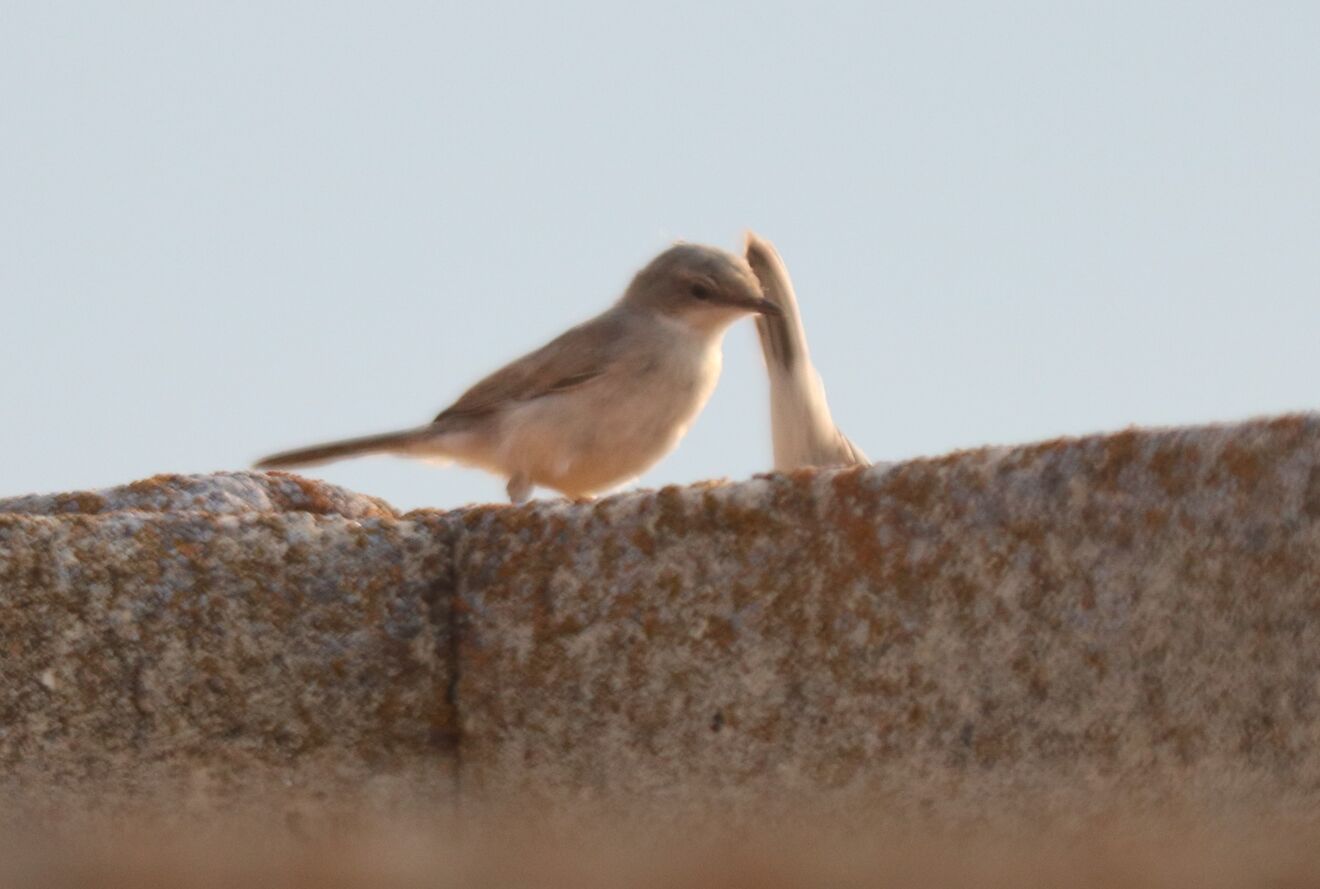
Жаскайрат Ермек: Садовая славка?
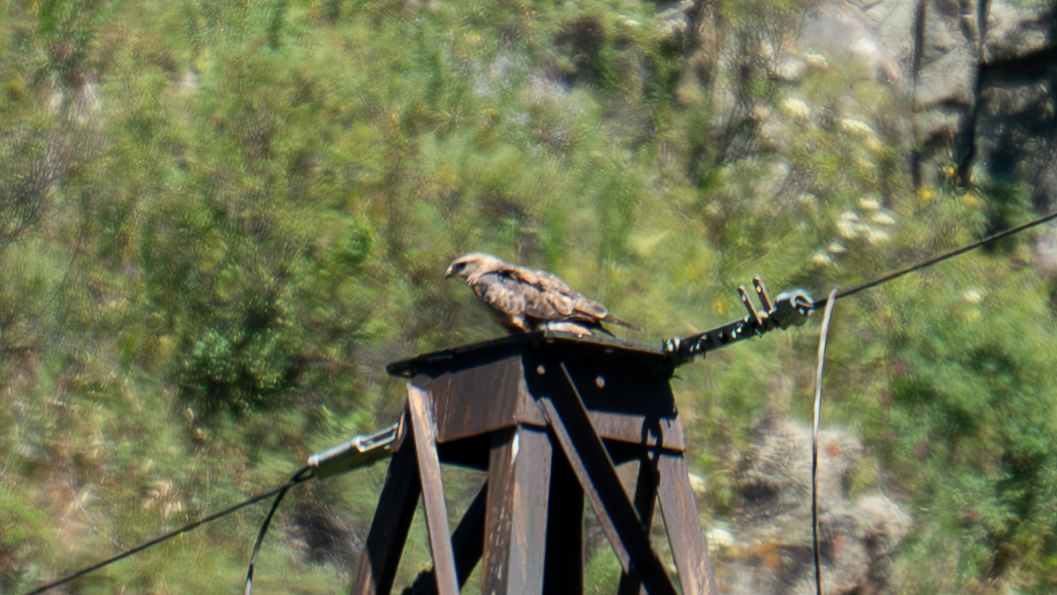
Руслан Абутрапов: Спасибо!
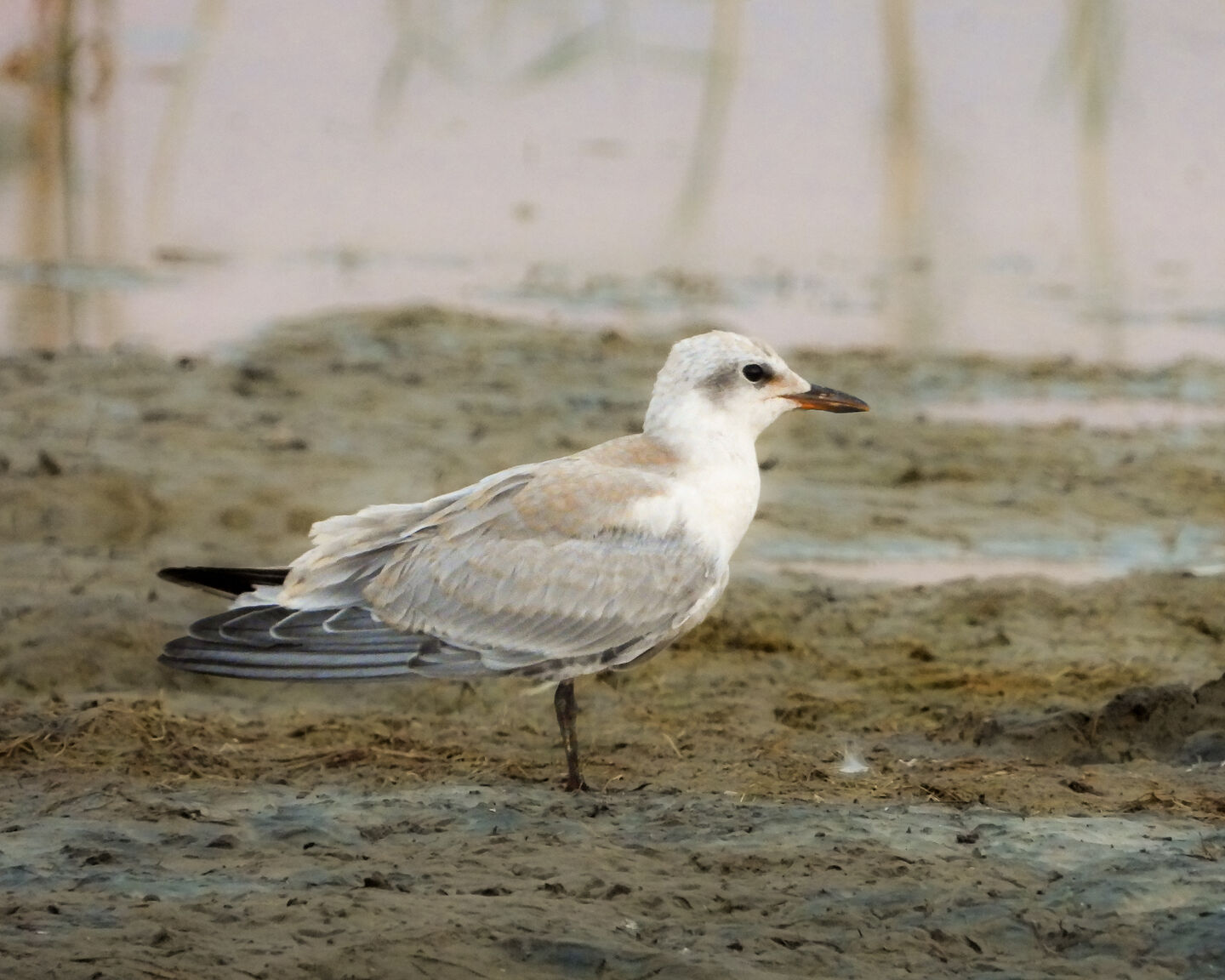
Анна Ясько: Чайконосая крачка.