
pictures
blog posts
search
classification:
Gaviiformes
Podicipediformes
Pelecaniformes
Ciconiiformes
Phoenicopteriformes
Anseriformes
Falconiformes
Galliformes
Gruiformes
Charadriiformes
Pterocletiformes
Columbiformes
Cuculiformes
Strigiformes
Caprimulgiformes
Apodiformes
Coraciiformes
Upupiformes
Piciformes
Passeriformes
Last days in Mangyshlak
2016-07-10| Askar Isabekov
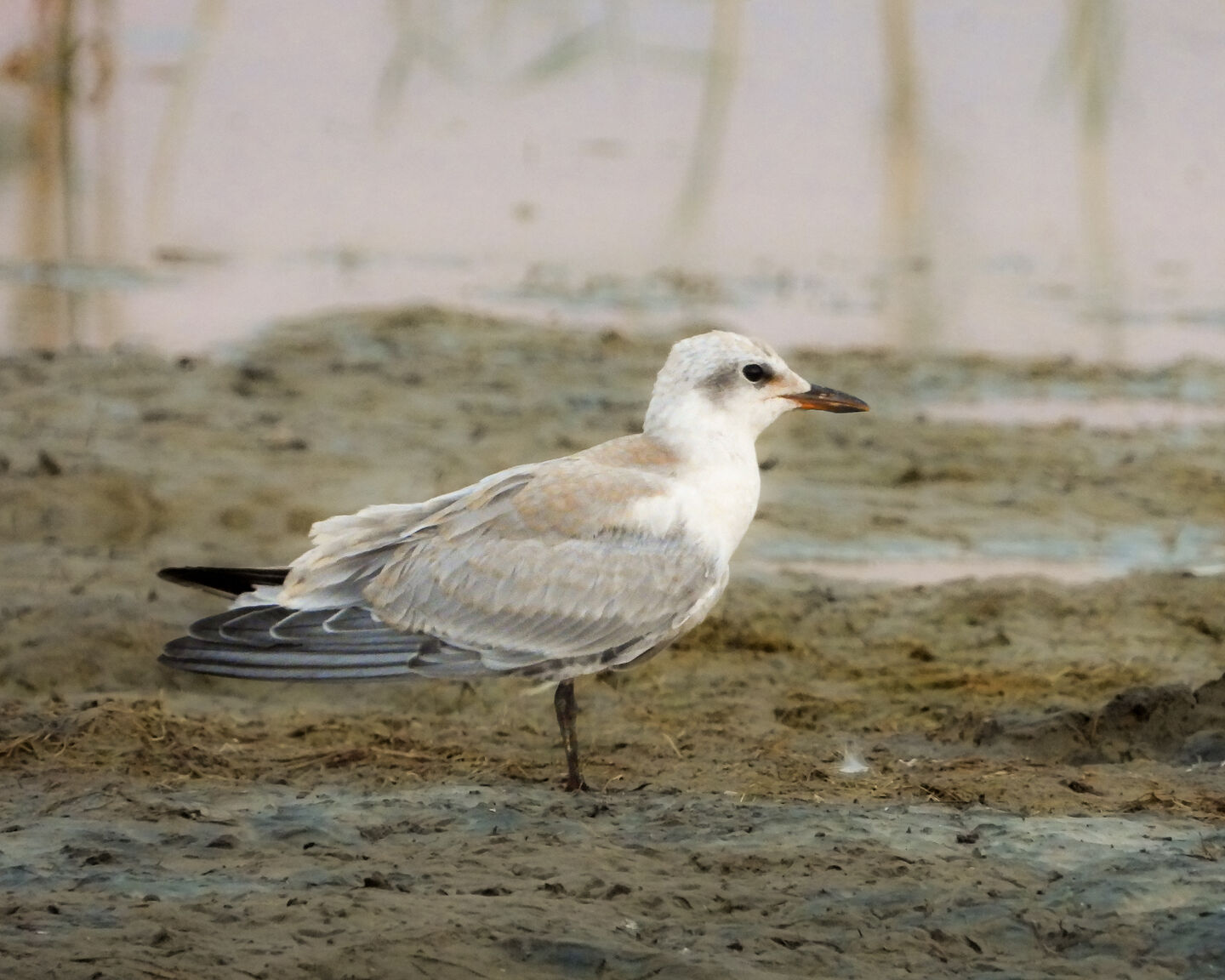
In recent days my birdwatching was presented by rare accidental records, mostly from the car window or during the daily trip to store. Firstly I want to note to numerous fledglings of different Wheatears and Larks; these birds live either directly in village or in adjoined area. The most numerous of local Larks is the Crested Lark; the Horned Lark was observed only in village’s vicinity. The most popular local Wheatear is Pied one; it is numerous, and now due the number of fledglings Pied Wheatear is more numerous even than Sparrow. So in the dorm I live this Wheatear is the Bird #1. The Black-eared Wheatear was recorded only near district Hospital; but regularly both male and female. The Desert Wheatear also lives near my dorm; almost every day I noticed female and once the male. Adult Wheatears began to moult in the end of first decade of July. Some times I saw in village the flocks of Rock Sparrows (once in mixed flock with House Sparrows) feeding the grass seeds. Swifts fly but in less number as previously in my opinion.
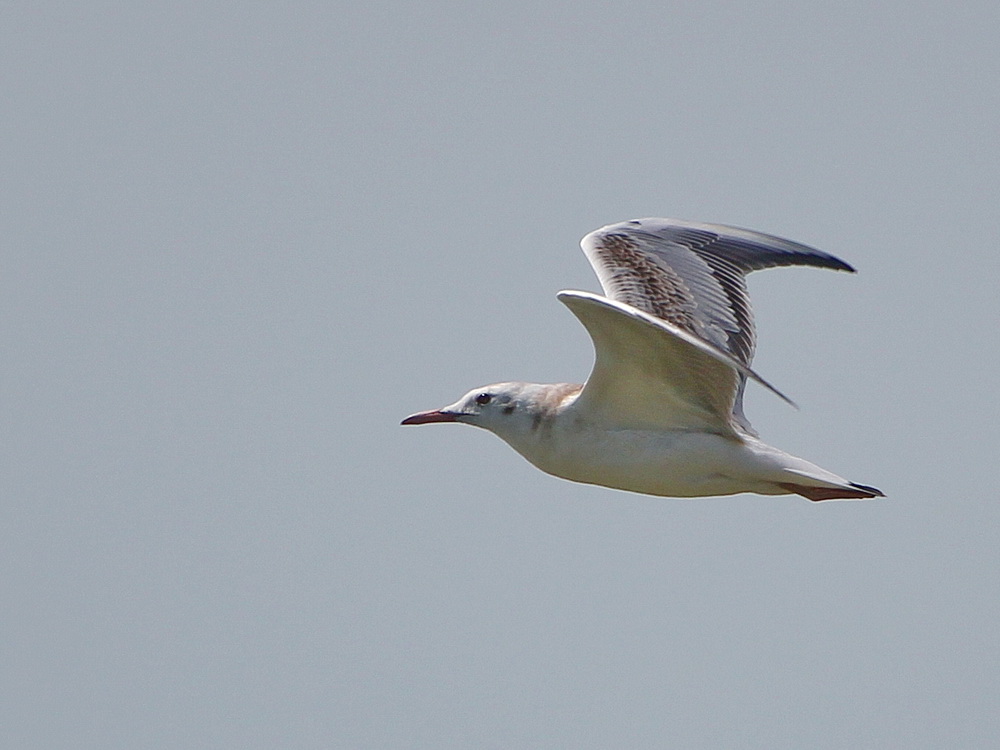
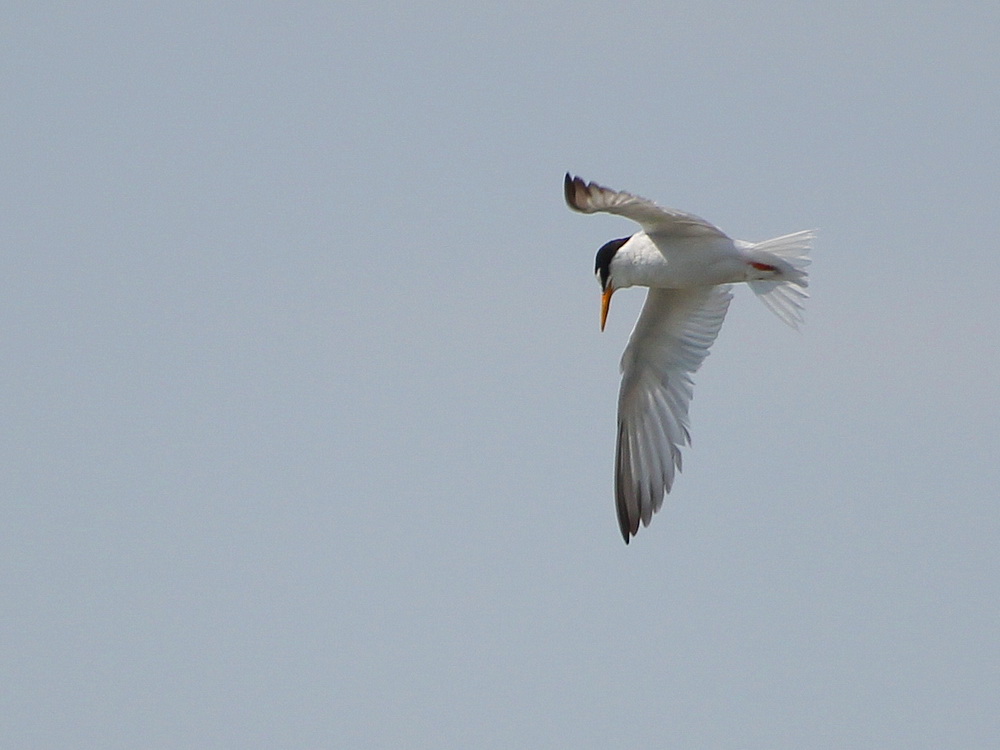
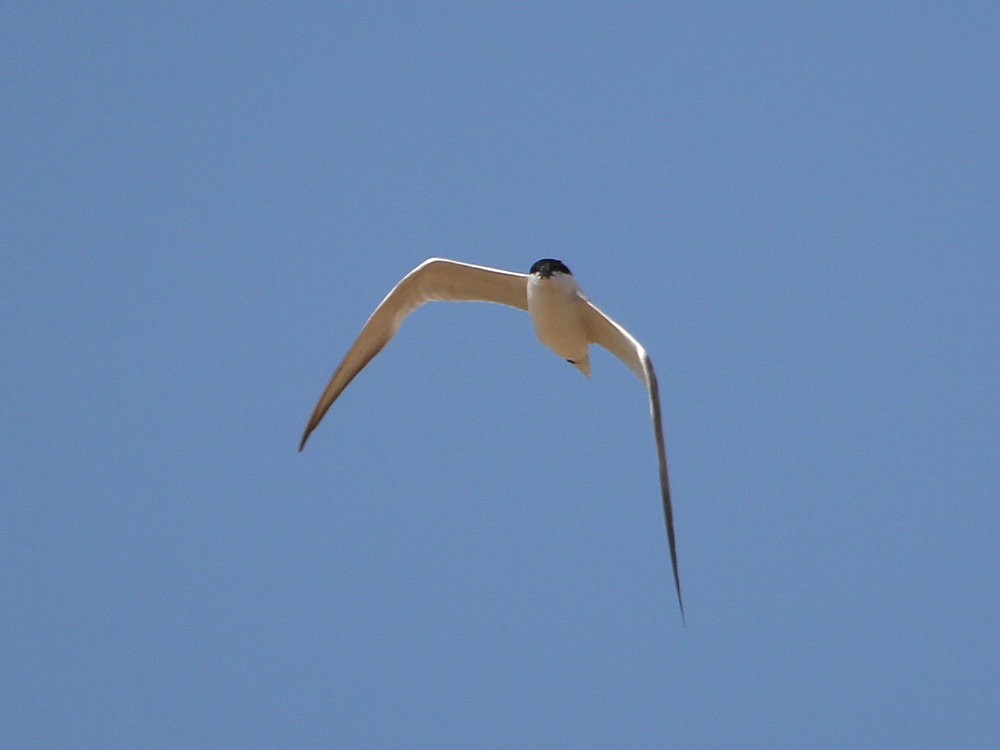
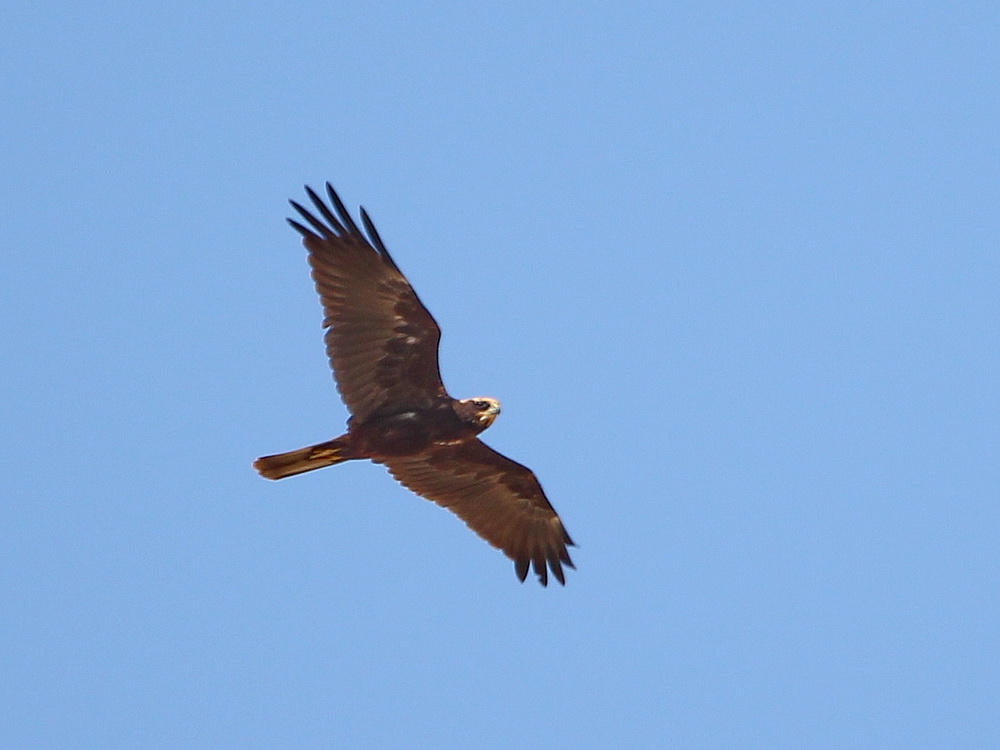
On the seaside I often watched mostly the common birds such as Cormorants, Caspian and Slender-billed Gulls, Common, Little and Gull-billed Terns, Kentish, Greater Sand and Little Ringed Plovers, sometimes Redshanks. Twice I noticed flocks of Ruffs yet in breeding plumage. After the night rain and storm there are many water plants on the coastal border. Of many waders feeding in water plants the majority presented by local birds but there were Wood, Common, Terek, Curlew Sandpipers, Ruffs and (perhaps) Marsh Sandpiper too. It means the back migration is started though now is the middle of summer only. Two juvenile Marsh Harriers slowly moving in south direction also can be treated as migrants.
During the night driving in steppe I twice saw Nightjars. Further I noticed Nightjar near dorm where we live. Every night Nightjar comes to hunt to insects in light of lanterns. At night, I heard the loud sound something likes to voice of Nightjar, but it was a toad.
In the coastal desert patches I everyday noticed the brood of Hoopoes often hiding in grass, but I saw them on wires too. Also on wires I saw the Bee-eaters.
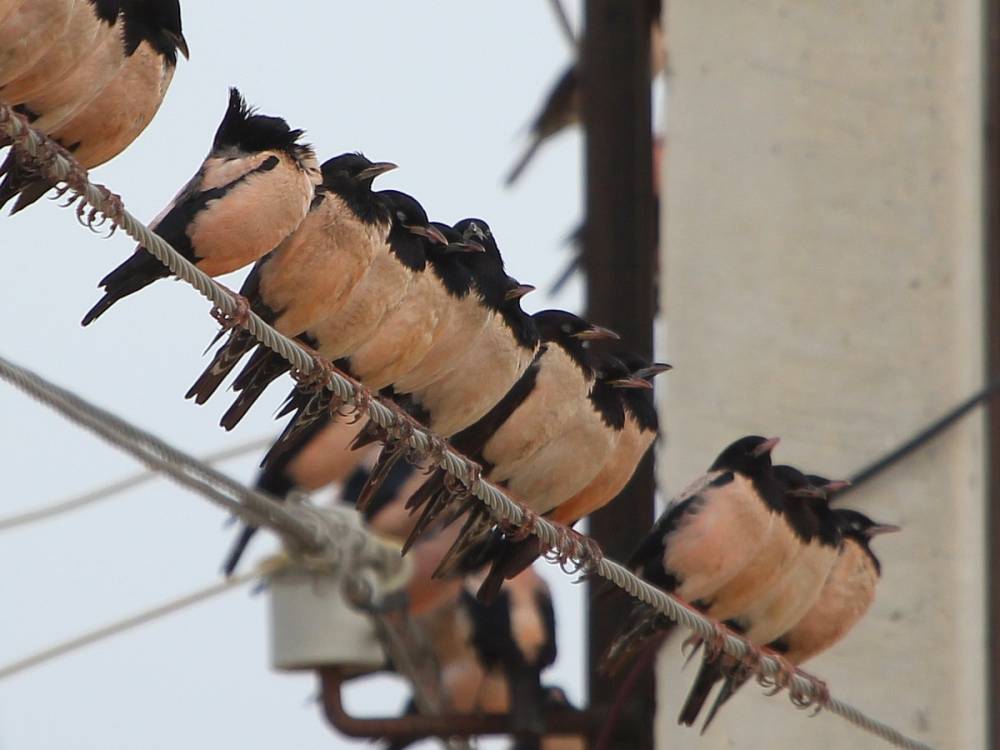
Last day I notices a lot of Rosy Starlings perched on wires, but I couldn’t to take photo that moment because I had some important tasks to about half of hour. Twice I drove near Starlings but they didn’t move and stayed in the same place. When I took chance to take camera I don’t believe to view Starlings, but they didn’t depart the rest point and their number didn’t decrease. I shot them from a far then from close distance, but didn’t approach to the limit. Only several Starlings were moving, the majority of birds perched on wires very dense without space. The flock contained only adult Starlings; I didn’t see any juvenile birds. Further looking the photos I noticed the closing eyes of most of birds. Eyes were either tightly closed or by transparent greyish eyelid (photographer know it by bad shots). So all the birds in this large flock were sleeping at the midday time. They were not fly or feed but densely perched on wires. Until the evening time Starlings of course flew away; but why there were only adults, why they were sleeping in day time, why they were a lot?
P.S. Before my departing from the dorm the watchman ask to sell him my binocular. Probably I could to do it and then to buy the new model to myself. But my next trip is planned to the end of July, I have not time to buy new binocular. But I can’t watch the birds without binocular.
1. Last days in Caspian Sea

2. Moulting male of Pied Waheatear

3. Moulting male of Desert Waheatear

4. Fledgling of Pied Wheatear
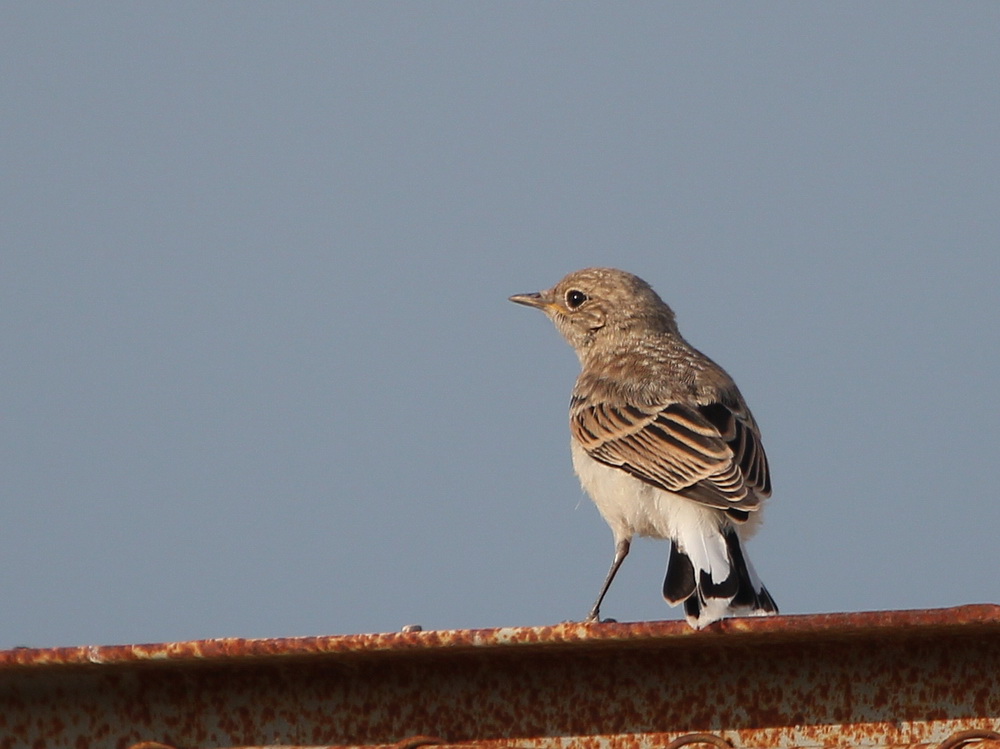
5. Fledgling of Black-eared Wheatear
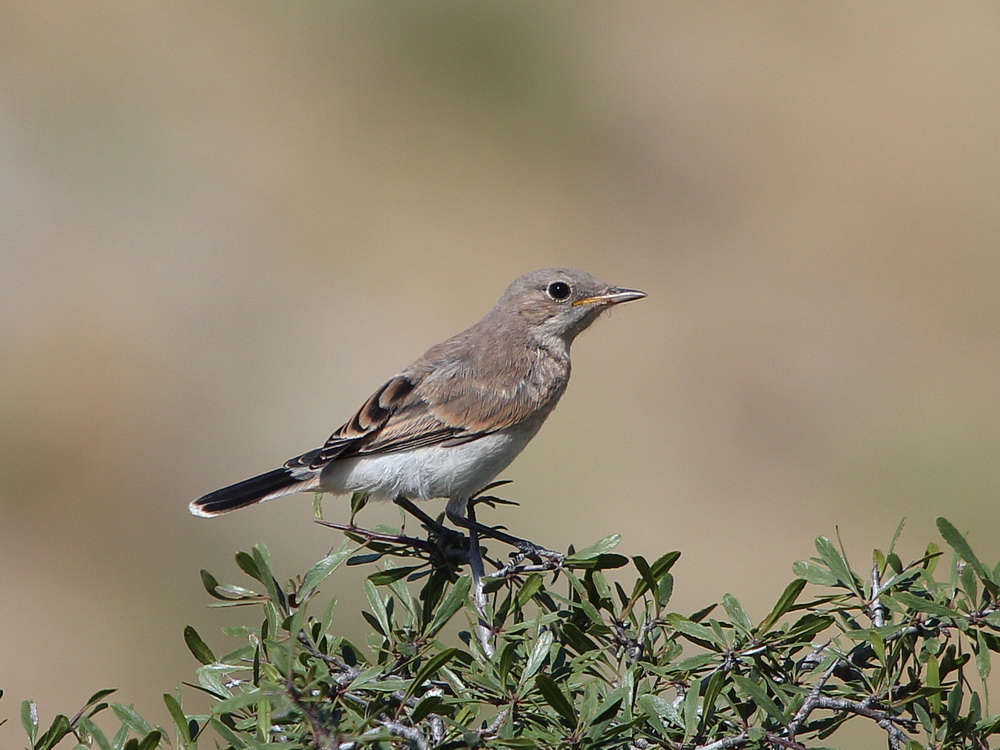
6. Fledgling of Horned Lark
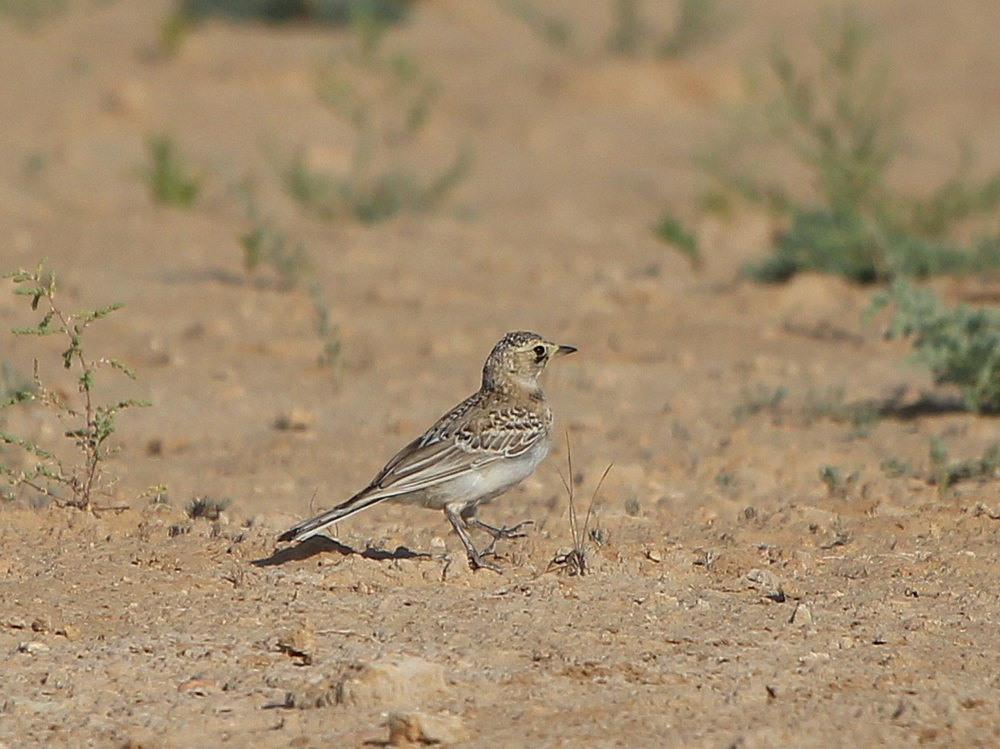
7. Fledgling of Crested Lark
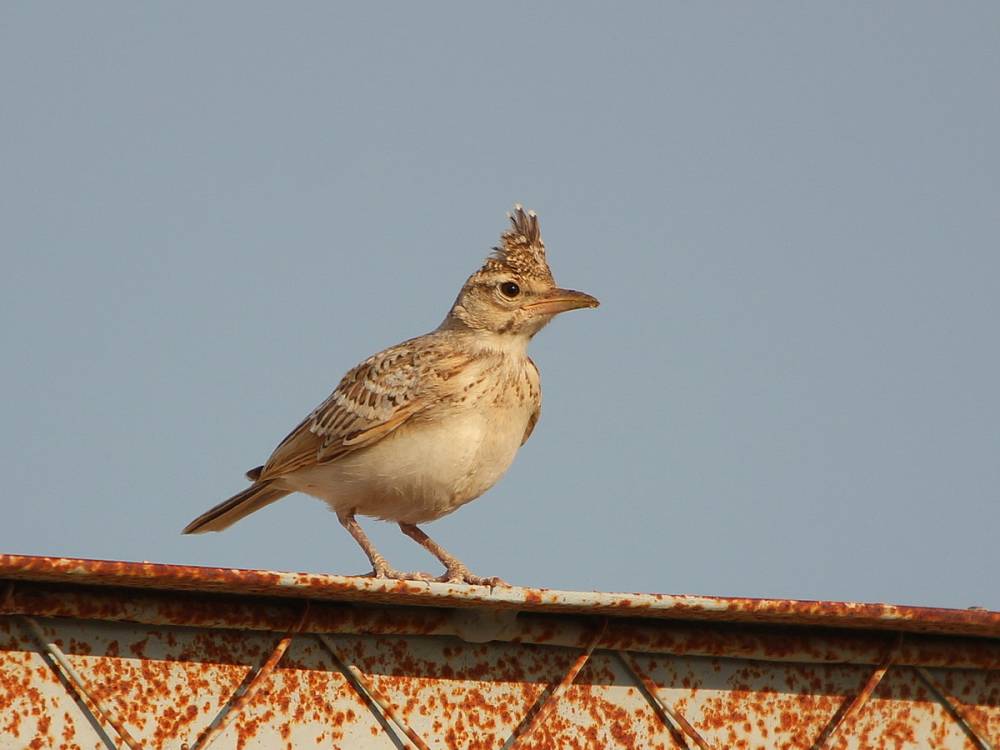
8. Slender-billed Gull
9. Little Tern
10. Gull-billed Tern
11. Marsh Harrier moving to the southern direction
12. Rosy Starlings
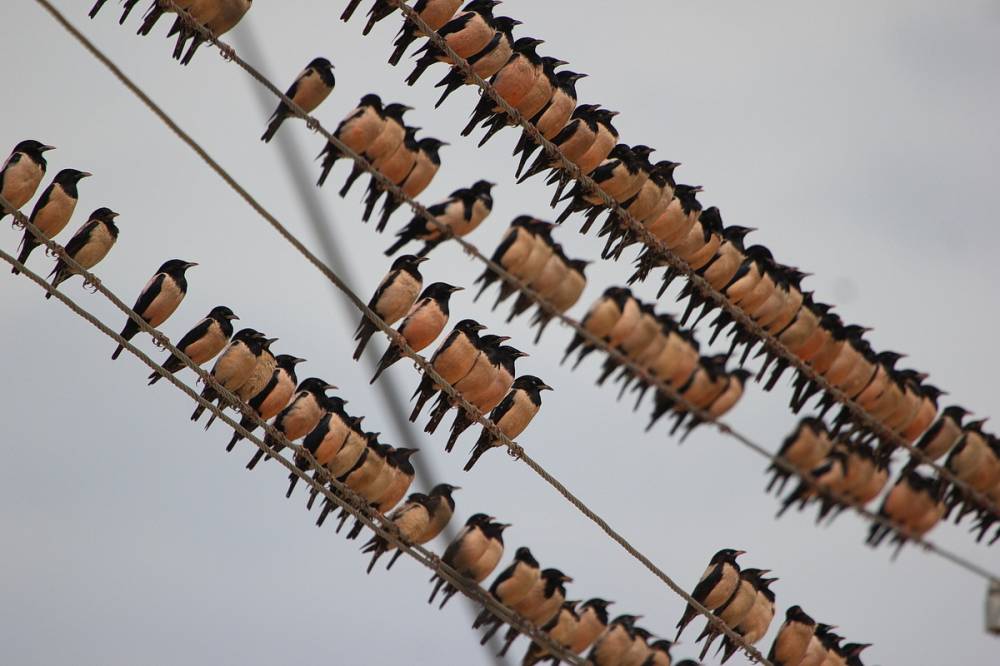
13. Birds are sleeping with open eyes
| # | species | number | |
| 1 | Great Cormorant (Phalacrocorax carbo) | ||
| 2 | Greater Flamingo (Phoenicopterus roseus) | ||
| 3 | Mute Swan (Cygnus olor) | ||
| 4 | Ruddy Shelduck (Tadorna ferruginea) | ||
| 5 | Western Marsh-Harrier (Circus aeruginosus) | ||
| 6 | Common Kestrel (Falco tinnunculus) | ||
| 7 | Chukar Partridge (Alectoris chukar) | ||
| 8 | Little Ringed Plover (Charadrius dubius) | ||
| 9 | Greater Sand Plover (Charadrius leschenaultii) | ||
| 10 | Kentish Plover (Charadrius alexandrinus) | ||
| 11 | Black-winged Stilt (Himantopus himantopus) | ||
| 12 | Wood Sandpiper (Tringa glareola) | ||
| 13 | Common Redshank (Tringa totanus) | ||
| 14 | Common Sandpiper (Actitis hypoleucos) | ||
| 15 | Terek Sandpiper (Xenus cinereus) | ||
| 16 | Ruff (Philomachus pugnax) | ||
| 17 | Curlew Sandpiper (Calidris ferruginea) | ||
| 18 | Black-headed Gull (Larus ridibundus) | ||
| 19 | Slender-billed Gull (Larus genei) | ||
| 20 | Caspian Gull (Larus cachinnans) | ||
| 21 | Black Tern (Chlidonias nigra) | ||
| 22 | Gull-billed Tern (Gelochelidon nilotica) | ||
| 23 | Caspian Tern (Hydroprogne caspia) | ||
| 24 | Common Tern (Sterna hirundo) | ||
| 25 | Little Tern (Sterna albifrons) | ||
| 26 | Black-Bellied Sandgrouse (Pterocles orientalis) | ||
| 27 | Rock Pigeon (Columba livia) | ||
| 28 | Eurasian Collared Dove (Streptopelia decaocto) | ||
| 29 | Eurasian Eagle-Owl (Bubo bubo) | ||
| 30 | European Nightjar (Caprimulgus europaeus) | ||
| 31 | Common Swift (Apus apus) | ||
| 32 | European Bee-eater (Merops apiaster) | ||
| 33 | Blue-cheeked Bee-eater (Merops persicus) | ||
| 34 | Hoopoe (Upupa epops) | ||
| 35 | Barn Swallow (Hirundo rustica) | ||
| 36 | Crested Lark (Galerida cristata) | ||
| 37 | Lesser Short-toed Lark (Calandrella rufescens) | ||
| 38 | Bimaculated Lark (Melanocorypha bimaculata) | ||
| 39 | Yellow Wagtail (Motacilla flava) | ||
| 40 | Rosy Starling (Sturnus roseus) | ||
| 41 | Pied Wheatear (Oenanthe pleschanka) | ||
| 42 | Eastern Black-eared Wheatear (Oenanthe melanoleuca) | ||
| 43 | Finsch's Wheatear (Oenanthe finschii) | ||
| 44 | Desert Wheatear (Oenanthe deserti) | ||
| 45 | Isabelline Wheatear (Oenanthe isabellina) | ||
| 46 | House Sparrow (Passer domesticus) | ||
| 47 | Rock Sparrow (Petronia petronia) | ||
| 48 | Red-headed Bunting (Emberiza bruniceps) | ||
Аскар, искала в литературе ответы на вопросы о скворцах.
Почему только взрослые птицы? - После окончания размножения взрослые и молодые розовые скворцы сначала держатся вместе, кочуя, а потом разделяются в отдельные стаи. Когда приходит время отлета на зимовку, первыми улетают взрослые, а потом молодежь.
Почему спали посреди дня? - Как долго они отдыхают днем, и насколько это типично, информации не нашла. Только то, что розовые скворцы довольно подвижные птицы и долго на одном месте не сидят. За день они могут преодолевать значительные расстояния, по-нескольку раз появляясь в одном и том же месте.
Почему их так много? - Это птицы колониальные. Всегда вместе. В летнее время в стае может быть от нескольких десятков до нескольких сотен птиц, а в зимнее время может достигать десятков тысяч.
2016-07-14. Николай Балацкий:
Анна, они не так спят. Обратите внимание, что все птицы одновременно повёрнуты клювами в определённую сторону света, обдуваемые ветром. В таком малоподвижном положении скворцы накапливают запасы энергии в виде подкожного жира для последующей миграции.
2016-07-15. Аскар Исабеков:
Анна, большое спасибо! Вчера разговаривал с Олегом и спрашивал его об этих скворцах. Он говорит, что колонии розовых скворцов привязаны к очагам саранчи, и если по каким-то причинам саранча исчезает, то скворцы просто бросают колонию, не важно на каком этапе размножения находятся птенцы. Я думаю, что возможно это как раз такой случай, потому что улетать им еще рановато, сейчас они как раз должны в смешанных стаях кочевать. Что касается "сна", то, конечно, я могу и ошибаться. Может и не спят, но факт, что у большинства глаза закрыты веком. Может просто отдыхают, а может и спят (что по сути тоже является отдыхом). Может быть, они Каспий перелетели (300 км), поэтому так устали.
2016-07-17. Алексей Кошкин:
Люди зачастую поведение животных объясняют "от себя", т.е они полетели туда, потому что там... и т.д. Где-то это логично, а где-то не понятно. Например, фламинго с Тенгиза, кишащего рачками-артемией летают ежедневно за 50-70 км на другие соры поесть той же артемии, вместо того, чтобы накапливать жир для перелета. Надоела артемия, пожалуйста - рядом(3-5 км) пресные и полусоленые водоемы полные других беспозвоночных. Но надо лететь куда-то. Такие, бестолковые на наш взгляд, перелеты совершают и другие птицы, в том числе и скворцы: в степи полно саранчи и кузнечиков, а они сегодня здесь, завтра там.Захотелось им поспать, спят и нас не спрашивают.Шекспир: " на свете много есть такого, что не известно нашим мудрецам".
2016-07-17. Николай Балацкий:
Алексей, молодец, правильно рассуждаешь. В природе всё взаимосвязано между собой, поэтому не корректно объяснять любую мелочь или явление в отрыве от остального "организма". Человек субъективен и не способен объективно увидеть и объяснить окружающий его мир, так как является зависимой песчинкой в нём.
calendar
2026
| jan | feb | mar | apr |
| may | jun | jul | aug |
| sep | oct | nov | dec |
| jan | feb | mar | apr |
| may | jun | jul | aug |
| sep | oct | nov | dec |
| jan | feb | mar | apr |
| may | jun | jul | aug |
| sep | oct | nov | dec |
| jan | feb | mar | apr |
| may | jun | jul | aug |
| sep | oct | nov | dec |
| jan | feb | mar | apr |
| may | jun | jul | aug |
| sep | oct | nov | dec |
| jan | feb | mar | apr |
| may | jun | jul | aug |
| sep | oct | nov | dec |
| jan | feb | mar | apr |
| may | jun | jul | aug |
| sep | oct | nov | dec |
| jan | feb | mar | apr |
| may | jun | jul | aug |
| sep | oct | nov | dec |
| jan | feb | mar | apr |
| may | jun | jul | aug |
| sep | oct | nov | dec |
| jan | feb | mar | apr |
| may | jun | jul | aug |
| sep | oct | nov | dec |
| jan | feb | mar | apr |
| may | jun | jul | aug |
| sep | oct | nov | dec |
| jan | feb | mar | apr |
| may | jun | jul | aug |
| sep | oct | nov | dec |
| jan | feb | mar | apr |
| may | jun | jul | aug |
| sep | oct | nov | dec |
| jan | feb | mar | apr |
| may | jun | jul | aug |
| sep | oct | nov | dec |
| jan | feb | mar | apr |
| may | jun | jul | aug |
| sep | oct | nov | dec |
| jan | feb | mar | apr |
| may | jun | jul | aug |
| sep | oct | nov | dec |
| jan | feb | mar | apr |
| may | jun | jul | aug |
| sep | oct | nov | dec |
| jan | feb | mar | apr |
| may | jun | jul | aug |
| sep | oct | nov | dec |
| jan | feb | mar | apr |
| may | jun | jul | aug |
| sep | oct | nov | dec |
| jan | feb | mar | apr |
| may | jun | jul | aug |
| sep | oct | nov | dec |
| jan | feb | mar | apr |
| may | jun | jul | aug |
| sep | oct | nov | dec |
| jan | feb | mar | apr |
| may | jun | jul | aug |
| sep | oct | nov | dec |
rare birds records
Squacco Heron (Ardeola ralloides)
© Andrey Kovalenko
2026-06-06
Almaty area, Sorbulak.
Great Snipe (Gallinago media)
© Vasilii Bastaev
2026-05-08
Karakol lake, Mangystau
Great Snipe (Gallinago media)
© Qanatbek Kenzhegulov
2026-04-14
Aktau, Mangystau region
Northern Wren (Troglodytes troglodytes)
© Alexandr Fedulin
2026-03-30
Big Year 2026
2. Aizhan Baitimbet (270)
3. Galym Baitimbet (267)
4. Zhaskairat Ermek (260)
5. Nikita Kanunnikov (228)
6. Gennadiy Dyakin (219)
7. Vladimir Muravskiy (219)
8. Andrey Kovalenko (196)
9. Sirimbet Zharilkasin (196)
10. Viktoriya Zvyaginceva (182)
unidentified birds
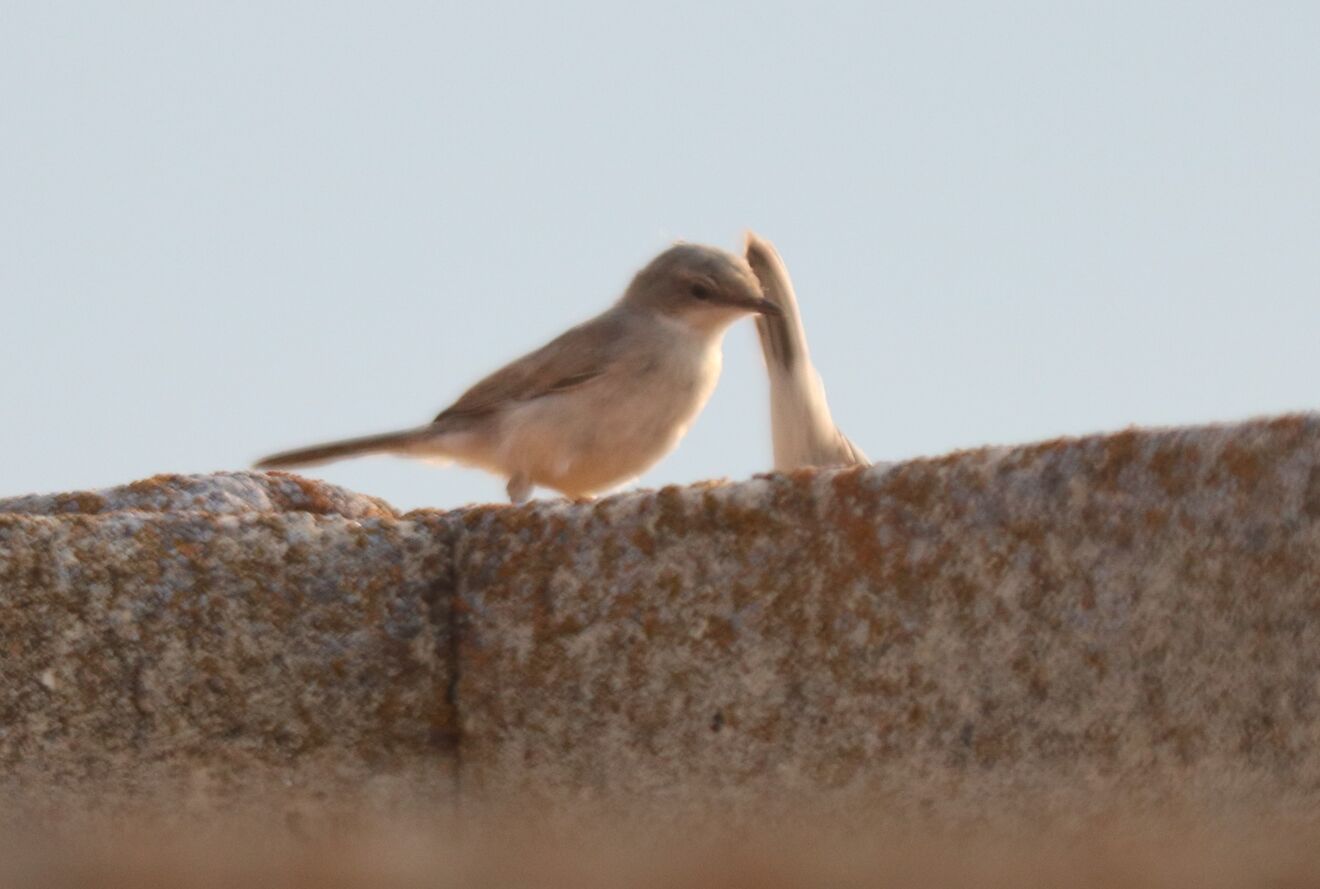
Жаскайрат Ермек: Садовая славка?
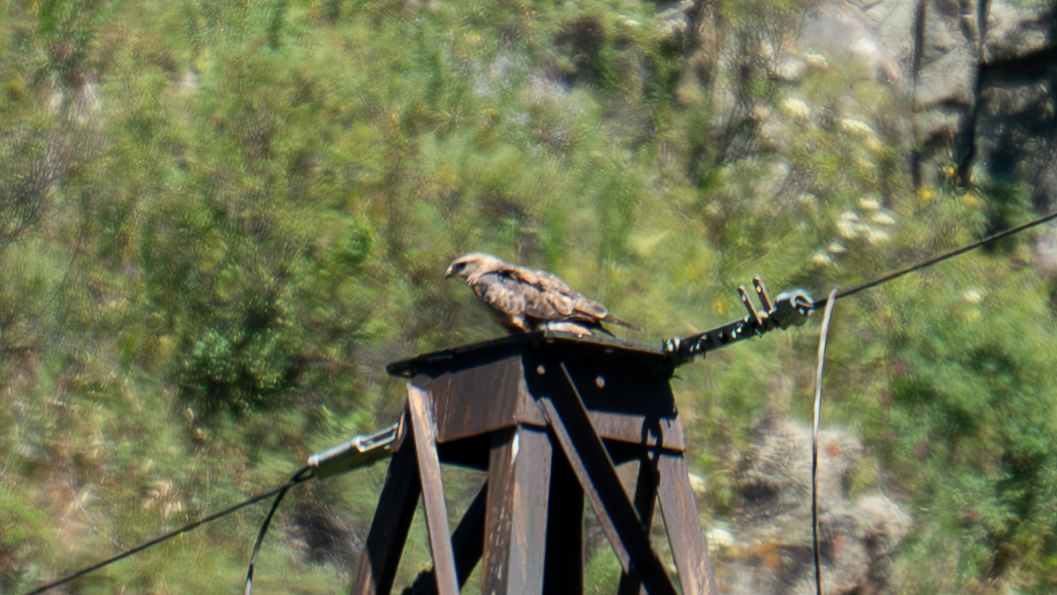
Руслан Абутрапов: Спасибо!
Анна Ясько: Чайконосая крачка.