
pictures
blog posts
search
classification:
Gaviiformes
Podicipediformes
Pelecaniformes
Ciconiiformes
Phoenicopteriformes
Anseriformes
Falconiformes
Galliformes
Gruiformes
Charadriiformes
Pterocletiformes
Columbiformes
Cuculiformes
Strigiformes
Caprimulgiformes
Apodiformes
Coraciiformes
Upupiformes
Piciformes
Passeriformes
Birding in XinJiang. First day.
2016-08-06| Askar Isabekov
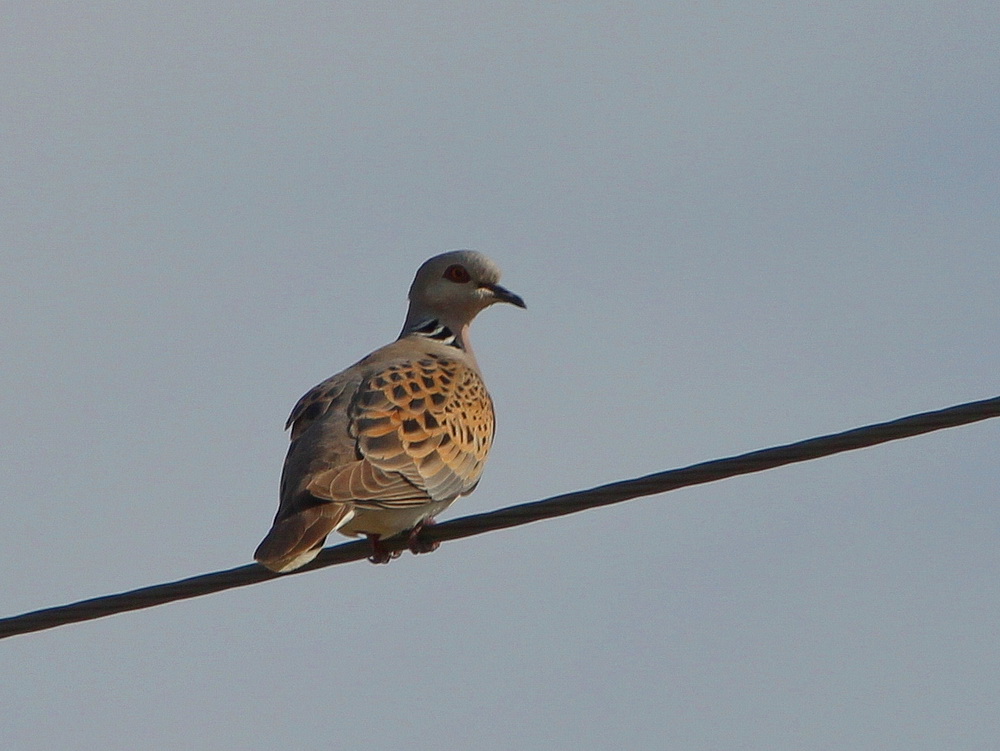
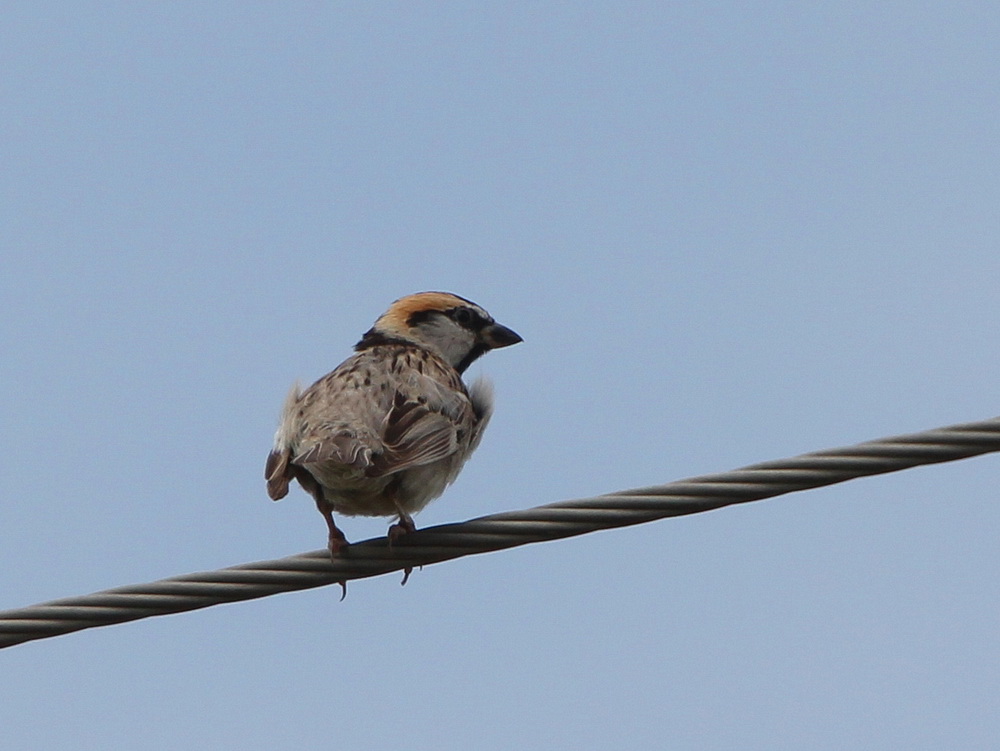
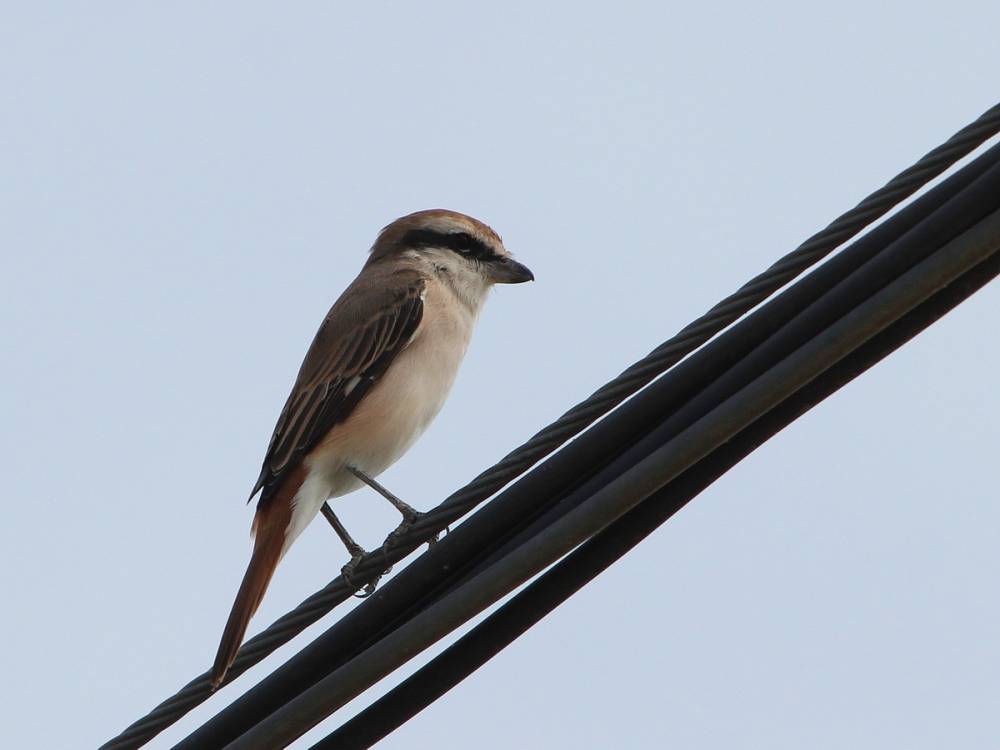
The first day of our (with Sanjar Abdikhalyk) trip to XinJiang. Our main targets are birding and meeting with Gou Jun, Allan Linn and other members of XinJiang Birwatching Society. Today morning we started birding in Wutonggou, the protected area in desert landscape like the national park. Wutonggou is opened to visitors, we saw the group of students and teachers went by trail. We drove to territory by cars. Landscape is very similar to Kazakhstan’s deserts. Sand hills, saxaul trees. Forest is not so dense therefore landscape is ligher, but desert is same to Southern Trans-Balkhash area or to Kyzylkum desert. The list of birds is same too. Oriental Turtle Doves, European Bee-eaters, Yellow-eyed Pigeon (present but we didn’t watch), Lesser Whitethroats, many Crested Larks. Here is the eastern border of breeding ranges of some European speces such as European Bee-eater, European Roller, European Nightjar, Rufous-tailed Scrub Robin. Unfortunately there are a bit of birds in sands, most of birds we watched near the park office – Indian and Saxaul Sparrows, Oriental and European Turtle Doves, White (Masked) Wagtails, Bee-eates. On the back road we drove along the fields and channels. Here the main birds were Sparrows and Turkestan Shrikes. It’s a pity that most of Shrikes perched on bushes and wires against the sun, because it would be onteresting to know what species of Shrike breeds here. Where is the border of breeding ranges of Turkestan Shrike (Lanius phoenicuroides) and Isabelline Shrike (L. isabellinus)? The male Shrike I taken on photo is typical Lanius phoenicuroides karelini as expected. Our friends said that here all Shrikes are same. Local Sparrows are also intersing. The single nests on trees are built by Indian Sparrow (Passer d. indicus) which is local resident not migrating bird like in Kazakhstan. Spanish Sparrow also breeds here together with Indain and Tree Sparrows but we did’t watch it unfortunately.
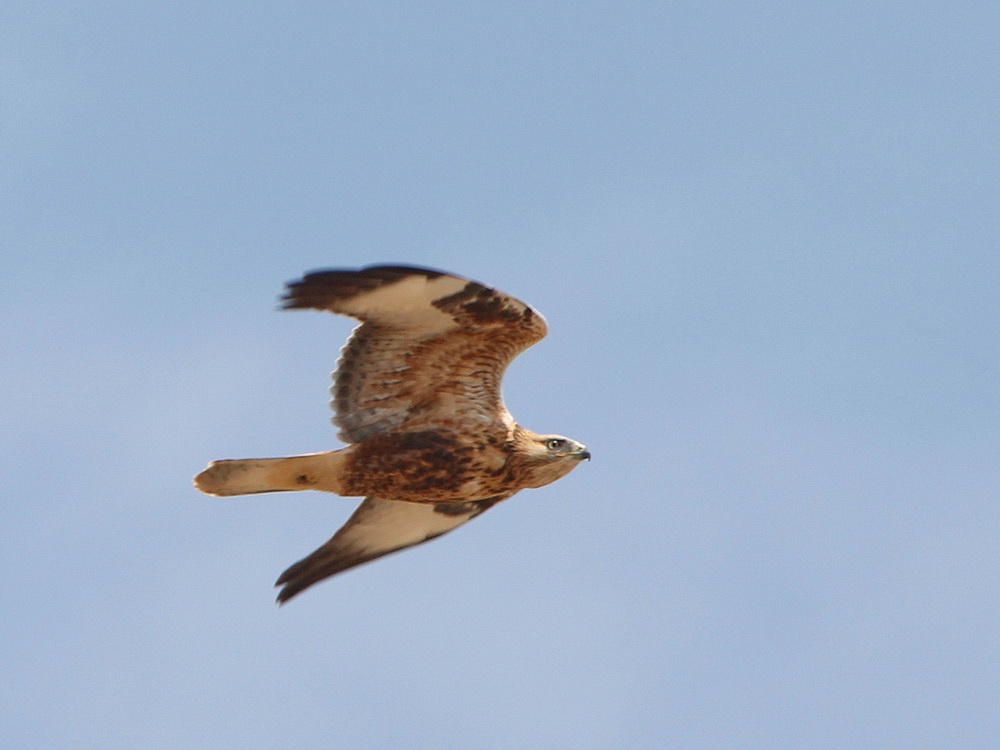
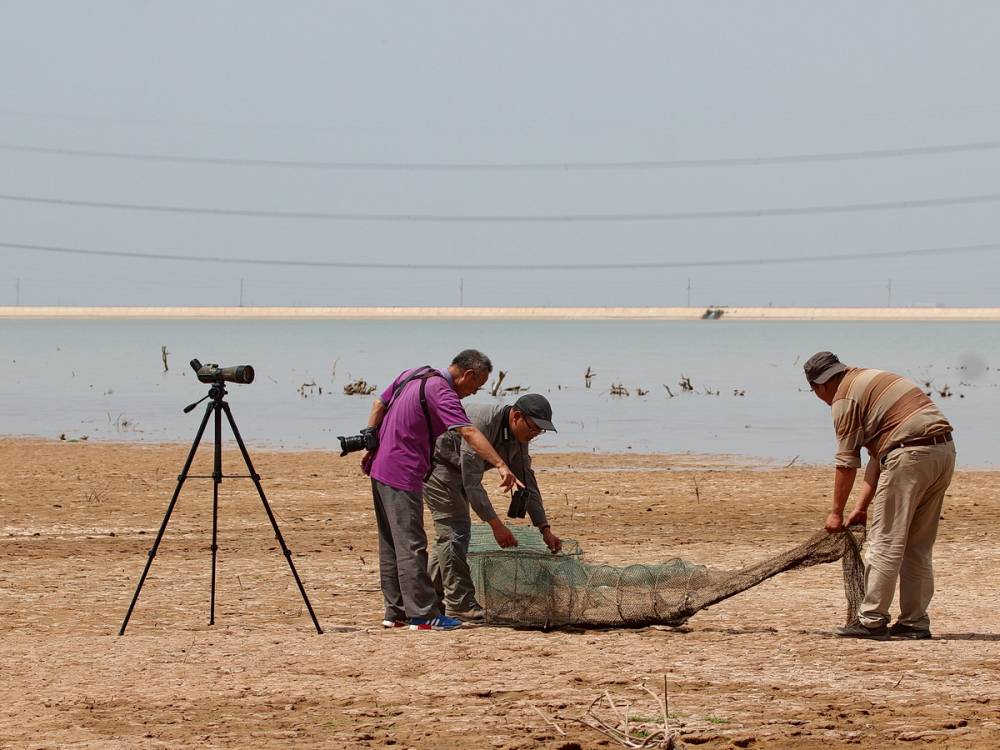
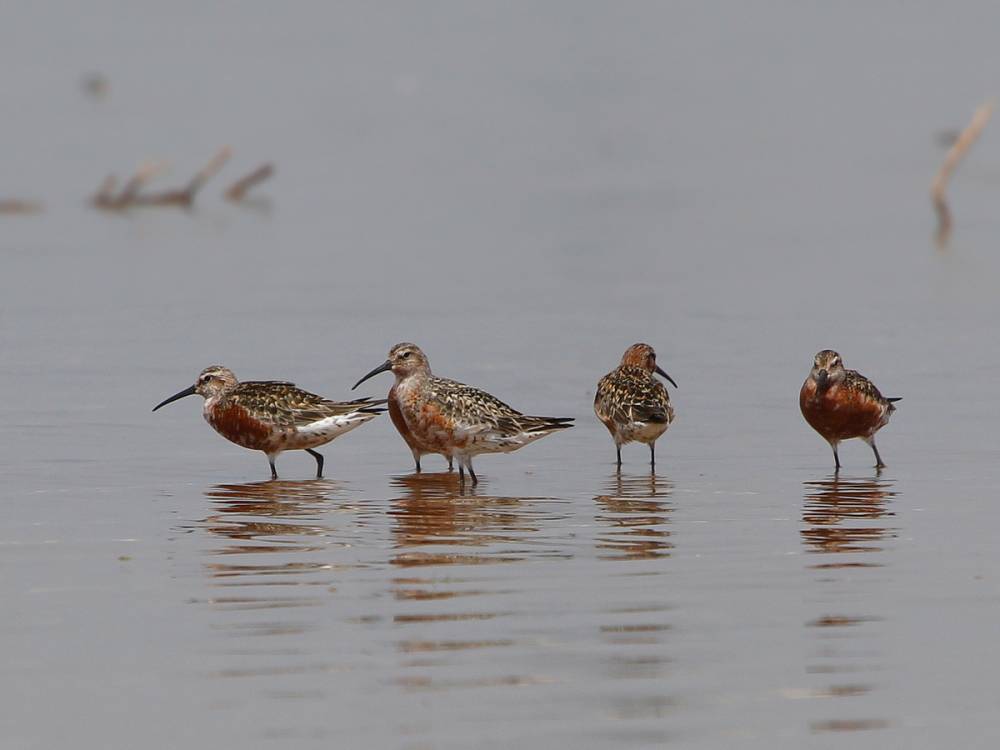
Then we visited some reservoirs and lakes, first was the Liuchengzi reservoir. The coastal line of reservoir is mostly open, only in one place I saw reed thickets. We drove to the shore about 150 meters and looked around. Grey Herons, Great Egrets and Gulls rested in front of us, Common Cranes were feeding faraway, the little shorebirds run on coastal line but we can’t distinguished them. So Cranes are most interesting we went to them. Surprisingly, we approached about 100 meters or even closer to Cranes, we left the cars and took the photos, but Cranes didn’t fly away. The behavior of other birds was same. Local birds are less careful than Kazakhstan’s ones. Then went to Gulls, all of them are Pallas’ Gulls. Most of shorebirds are Kentish Plovers, also we watched flock of Curlew Sandpipers, one Temmink’s Sandpiper, some Black-winged Stilts and Pied Avocets. Raptors (Black Kite and Long-legged Buzzard) probably wanted to hunt but were expelled by Common Terns. Gou Jun saw the moving in the fishnet on coast from faraway. When guys went to fishnet they find the stuck Wagtails. Two live birds were released into the wild but one bird was died unfortunately.
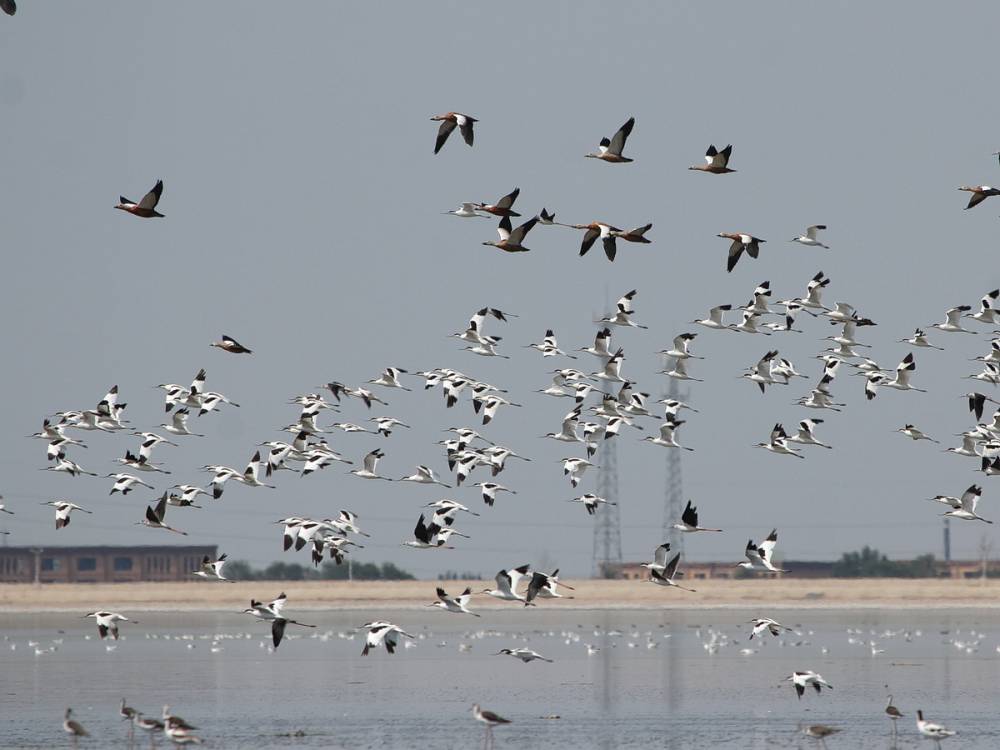
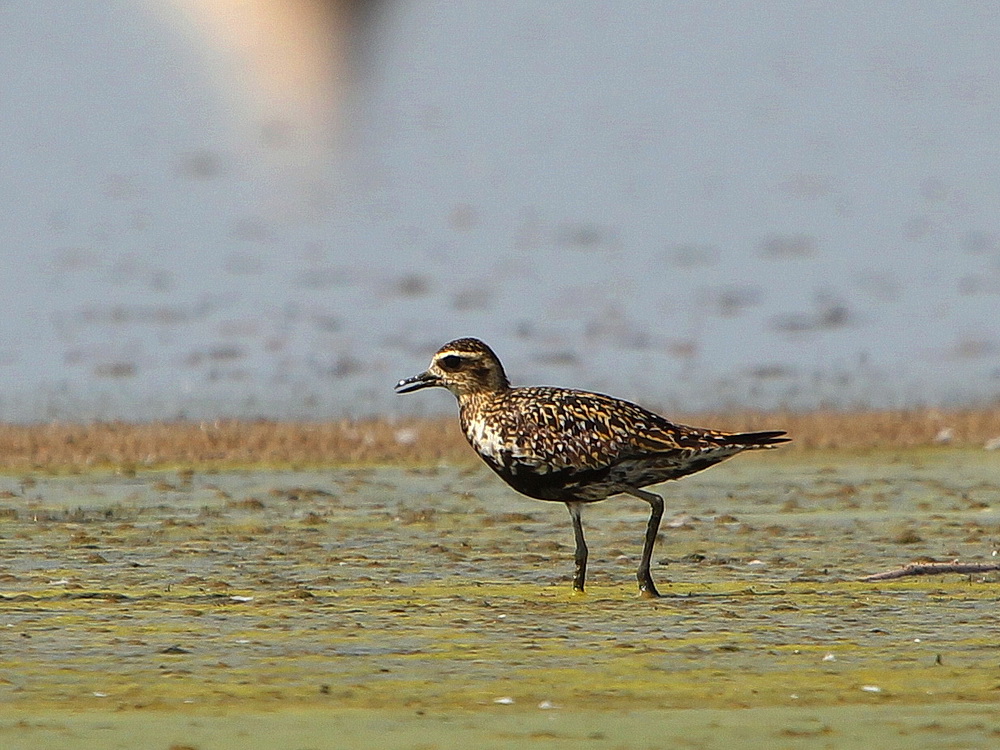
The next reservoir Bayi located in saline landscape, it probably shallow. All the coast and near water was white because white Pied Avocets and Black-headed Gulls are a lot. The white was so much that the large Ruddy Shellducks are unvisible. Together with Avocets the Common Redshanks, Northern Lapwings, Stilts, Wood Sandpipers, Curlew Sandpipers, Kentish Plovers of course, and one Pacific Golden Plover were feeding on muddy shore. Golden Plover was most interesting to me. But guys said that it is common migrant bird in XinJiang and possible to observe large flocks of Golden Plovers up to 200 birds. The Bayi reservoir is good site to the fans of quality photos. You can put the cover and some of hundreds shorebirds exactly suited to the distance of good shot.
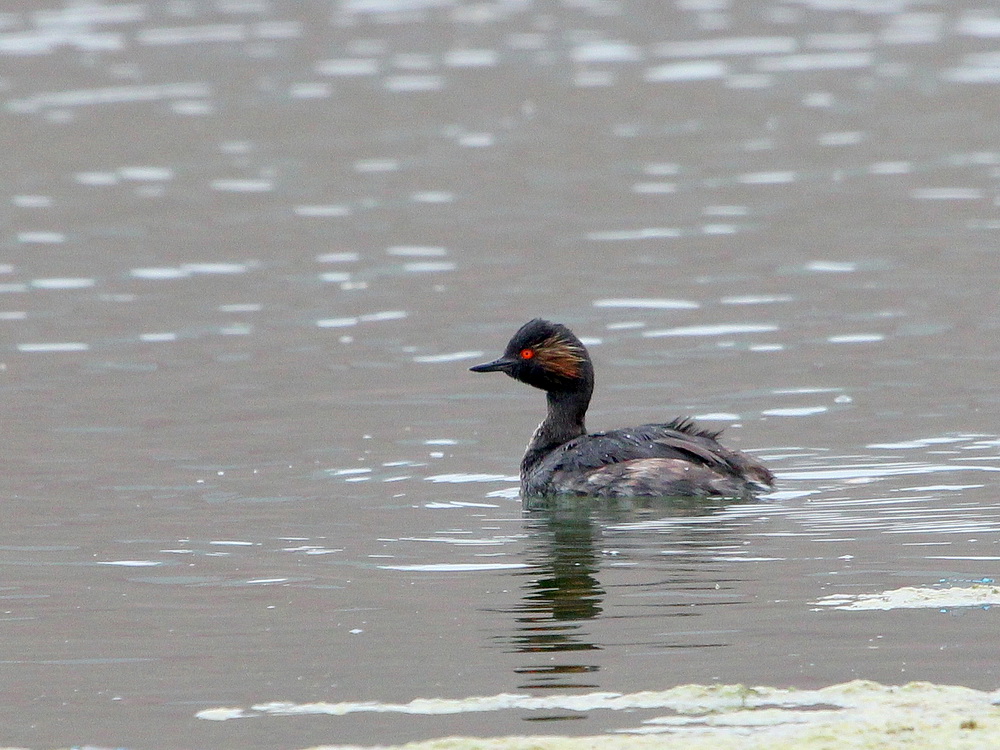
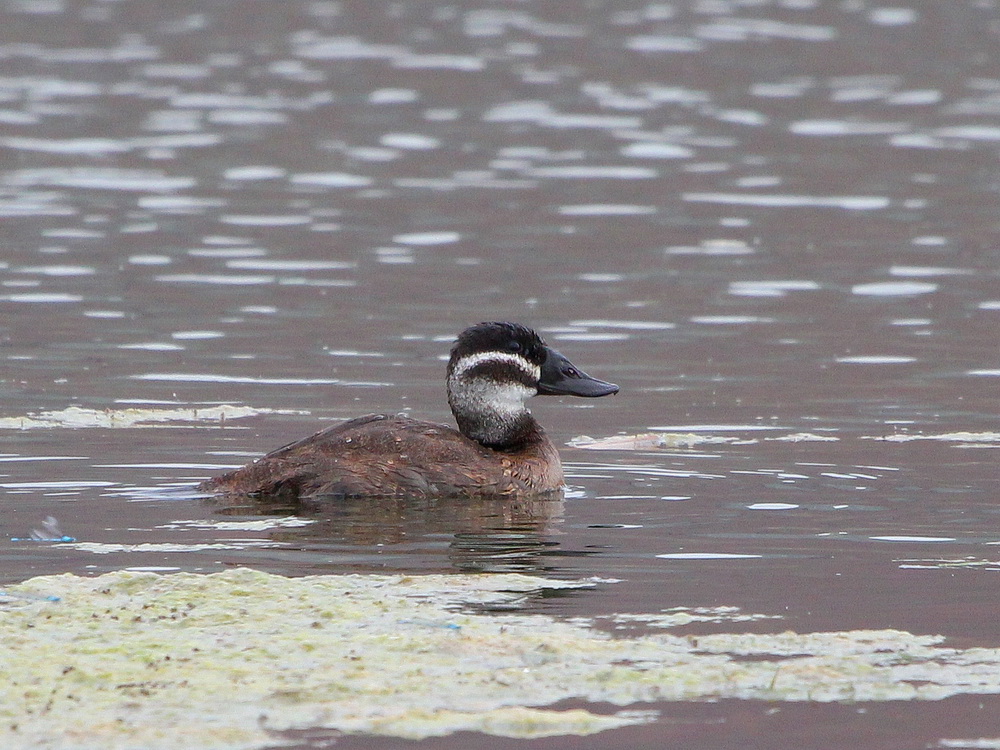
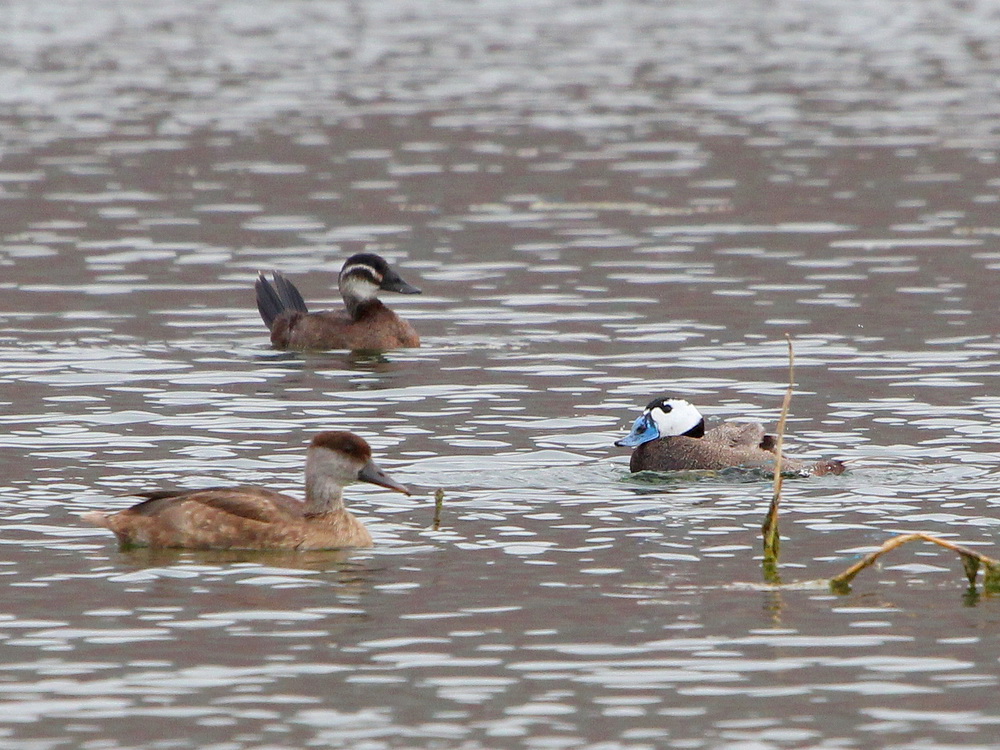
Last today site is Baihu lake. Lake is located under the high cliffs near the under construction block of high buildings. Here the White-headed Ducks, their common neighbors Black-necked Grebes, Red-crested Pochards, Coots, Moorhens breed. It’s a good place for the watching fans; the bank is steep and high. It’s good place for the fans of photography too; there is low and narrow band of reed thickets, very good to quietly approaching to birds. Ducks and Grebes are not very careful and stay close to watchers although lake is large, about 300-400 meters in diameter. Birds can float away but don’t do it. Birds don’t afraid for people, but probably new buildings, fishermen, swimming people worried the birds. Because recent years here up to 55 pairs of White-headed Ducks breed, but today we counted only 6 birds including one adult male.
1. Common Cranes in Liuchengzi reservoir

2. Saxaul forest in Wutonggou

3. Oriental Turtle Dove

4.
5. Saxaul Sparrow
6. Turkestan Shrike (karelini)
7. Long-legged Buzzard
8. Gou Jun, Allan Linn and master Wang released Wagtails into the wild
9. Culew Sandpipers
10. Pied Avocets and Ruddy Shelducks
11. Pacific Golden Plover
12. Black-necked Grebe in Baihu lake
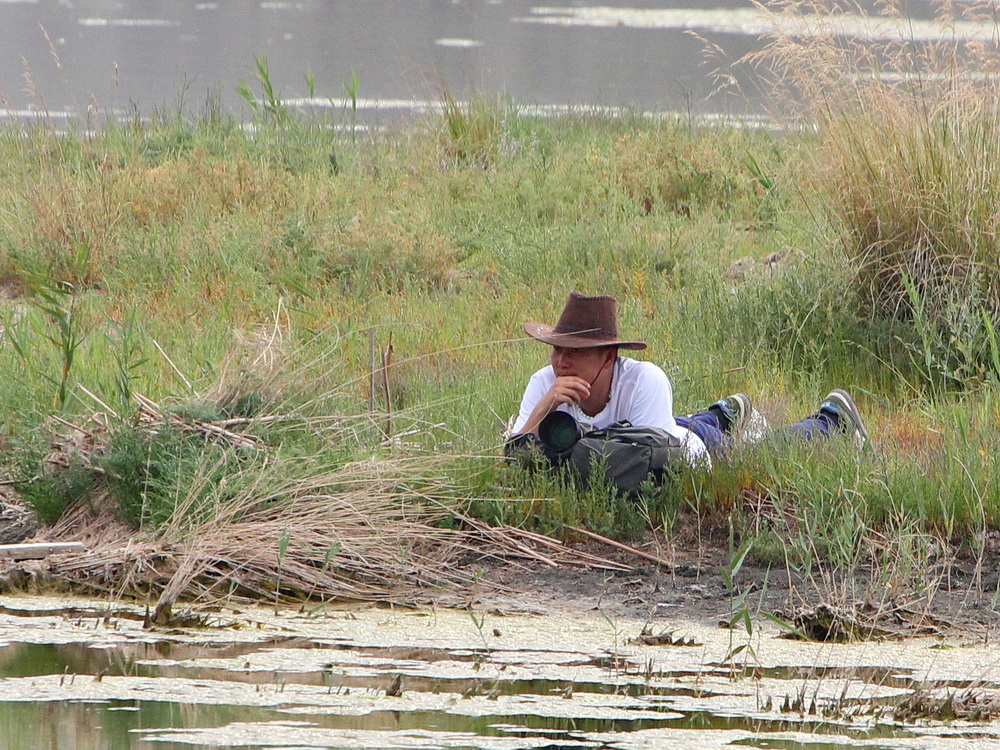
13. Unknown birdwatcher
14. White-headed Duck
15. White-headed Ducks and Red-crested Pochard female
calendar
2026
| jan | feb | mar | apr |
| may | jun | jul | aug |
| sep | oct | nov | dec |
| jan | feb | mar | apr |
| may | jun | jul | aug |
| sep | oct | nov | dec |
| jan | feb | mar | apr |
| may | jun | jul | aug |
| sep | oct | nov | dec |
| jan | feb | mar | apr |
| may | jun | jul | aug |
| sep | oct | nov | dec |
| jan | feb | mar | apr |
| may | jun | jul | aug |
| sep | oct | nov | dec |
| jan | feb | mar | apr |
| may | jun | jul | aug |
| sep | oct | nov | dec |
| jan | feb | mar | apr |
| may | jun | jul | aug |
| sep | oct | nov | dec |
| jan | feb | mar | apr |
| may | jun | jul | aug |
| sep | oct | nov | dec |
| jan | feb | mar | apr |
| may | jun | jul | aug |
| sep | oct | nov | dec |
| jan | feb | mar | apr |
| may | jun | jul | aug |
| sep | oct | nov | dec |
| jan | feb | mar | apr |
| may | jun | jul | aug |
| sep | oct | nov | dec |
| jan | feb | mar | apr |
| may | jun | jul | aug |
| sep | oct | nov | dec |
| jan | feb | mar | apr |
| may | jun | jul | aug |
| sep | oct | nov | dec |
| jan | feb | mar | apr |
| may | jun | jul | aug |
| sep | oct | nov | dec |
| jan | feb | mar | apr |
| may | jun | jul | aug |
| sep | oct | nov | dec |
| jan | feb | mar | apr |
| may | jun | jul | aug |
| sep | oct | nov | dec |
| jan | feb | mar | apr |
| may | jun | jul | aug |
| sep | oct | nov | dec |
| jan | feb | mar | apr |
| may | jun | jul | aug |
| sep | oct | nov | dec |
| jan | feb | mar | apr |
| may | jun | jul | aug |
| sep | oct | nov | dec |
| jan | feb | mar | apr |
| may | jun | jul | aug |
| sep | oct | nov | dec |
| jan | feb | mar | apr |
| may | jun | jul | aug |
| sep | oct | nov | dec |
| jan | feb | mar | apr |
| may | jun | jul | aug |
| sep | oct | nov | dec |
rare birds records
Squacco Heron (Ardeola ralloides)
© Andrey Kovalenko
2026-06-06
Almaty area, Sorbulak.
Great Snipe (Gallinago media)
© Vasilii Bastaev
2026-05-08
Karakol lake, Mangystau
Great Snipe (Gallinago media)
© Qanatbek Kenzhegulov
2026-04-14
Aktau, Mangystau region
Northern Wren (Troglodytes troglodytes)
© Alexandr Fedulin
2026-03-30
Big Year 2026
2. Aizhan Baitimbet (270)
3. Galym Baitimbet (267)
4. Zhaskairat Ermek (261)
5. Nikita Kanunnikov (228)
6. Gennadiy Dyakin (219)
7. Vladimir Muravskiy (219)
8. Andrey Kovalenko (196)
9. Sirimbet Zharilkasin (196)
10. Viktoriya Zvyaginceva (182)
unidentified birds
Жаскайрат Ермек: Садовая славка?
Руслан Абутрапов: Спасибо!
Анна Ясько: Чайконосая крачка.