
pictures
blog posts
search
classification:
Gaviiformes
Podicipediformes
Pelecaniformes
Ciconiiformes
Phoenicopteriformes
Anseriformes
Falconiformes
Galliformes
Gruiformes
Charadriiformes
Pterocletiformes
Columbiformes
Cuculiformes
Strigiformes
Caprimulgiformes
Apodiformes
Coraciiformes
Upupiformes
Piciformes
Passeriformes
XinJiang. Mongolian Ground Jay.
2016-08-07| Askar Isabekov
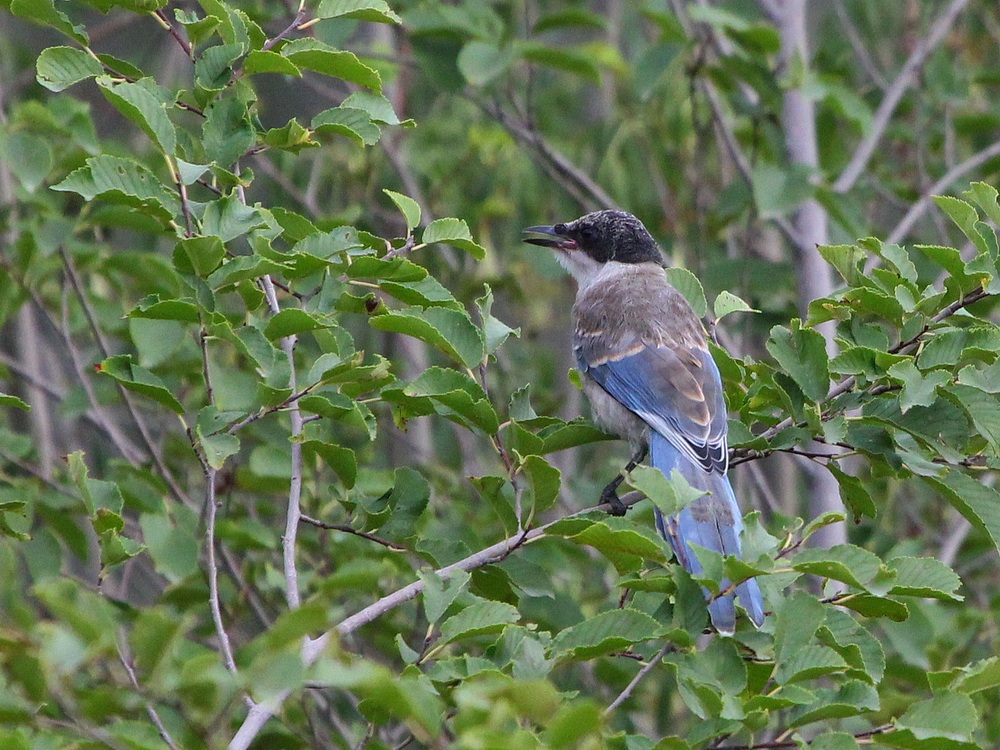
Yesterday I found out that Azure-winged Magpie breeds in Urumqi. This Magpie’s breeding range expands to westward but in Urumqi Magpie was introduced by people. In China there is a good tradition to release birds into the wild. Especially Magpies, because Magpies is a symbol of a luck. Releasing Azure-winged Magpies formed some colonies in total up to hundreds or even thousands pairs. The Urumqi’s population is isolated from the expanding from east main range. Red-billed Blue Magpie also present in Urumqi but rare. And not a problem to find Azure-winged Magpie.
Birding is started at 7.30 am local time (5.30 by Amaty time). We had breakfast in cafe and began to search Azure-winged magpies. We drove by the blocks with large trees and looked for birds in top of trees. In first block we watched only common Black-billed Magpie. But in the second point (the city cemetery) we found Azure-winged Magpie immediately, one bird perched on the dry branch on elm and other ones were not visible but were hearable by sound. I thought Azure-winged Magpie is a small Mynah-sized bird, but it is a bit smaller than Black-billed Magpie and very similar to it by siluette both in fly and perching. In a nasty day (like today) it’s easy to confuse one Magpie species from another.
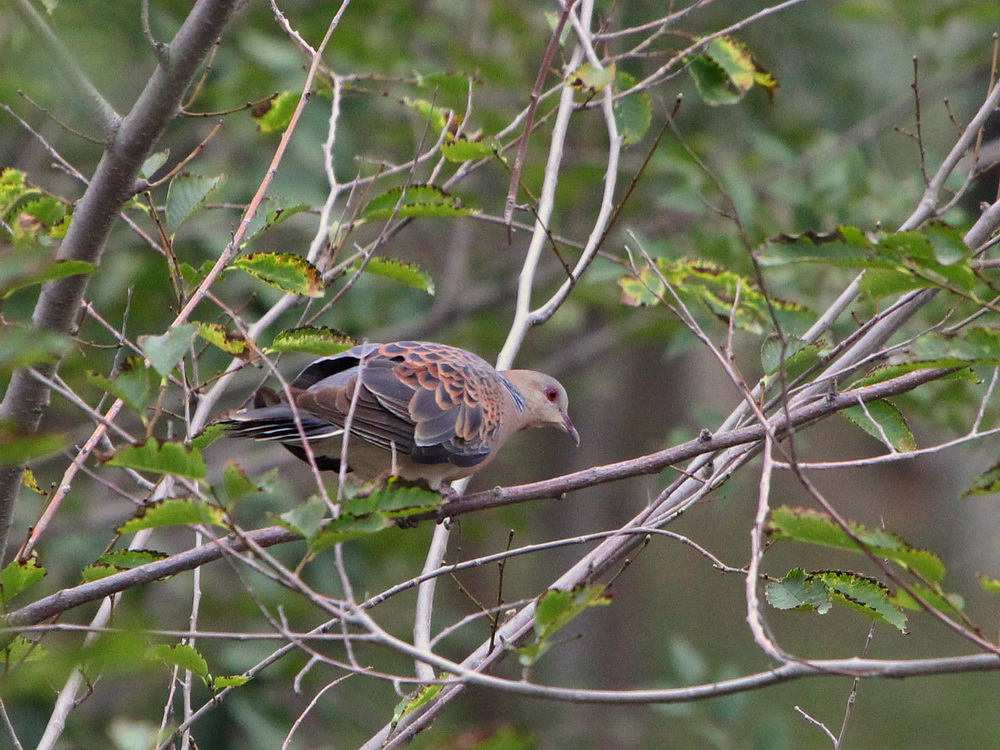
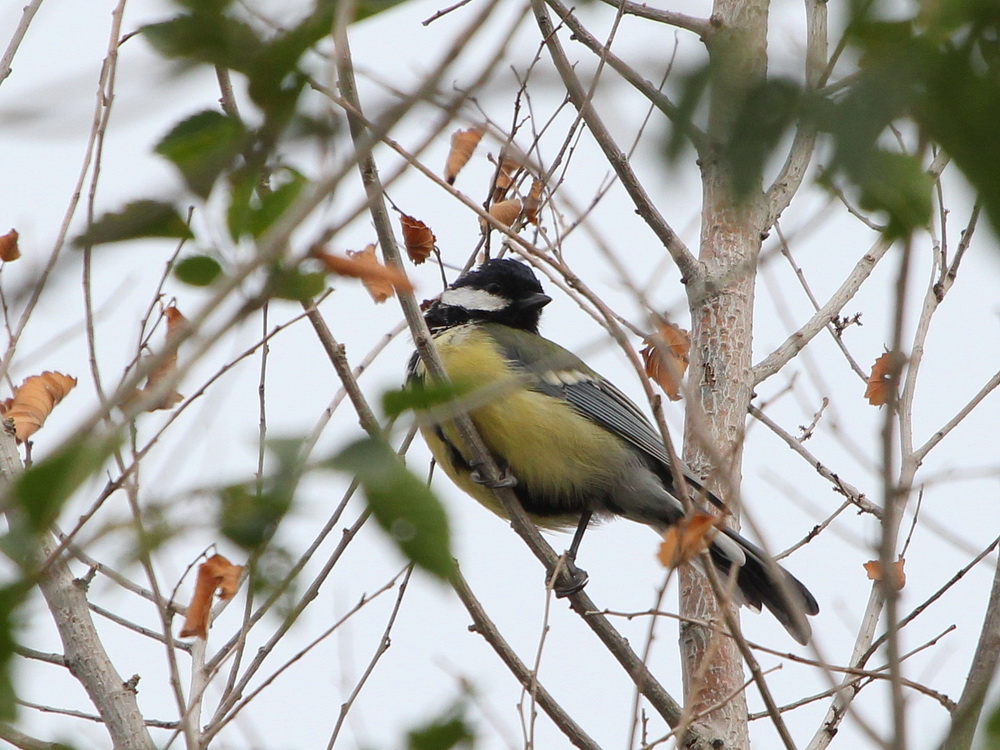
When I went and looked for Magpies in trees I see the large brood of Daurian Partridges over the fence. Almost in the center of the city! Also we watched oriental Turtle Doves, White (Masked) Wagtails, Blackbirds and one Great Tit (first and one only Tit of last two days). Also we watched unidentified Starlings which need additional time to analysis.
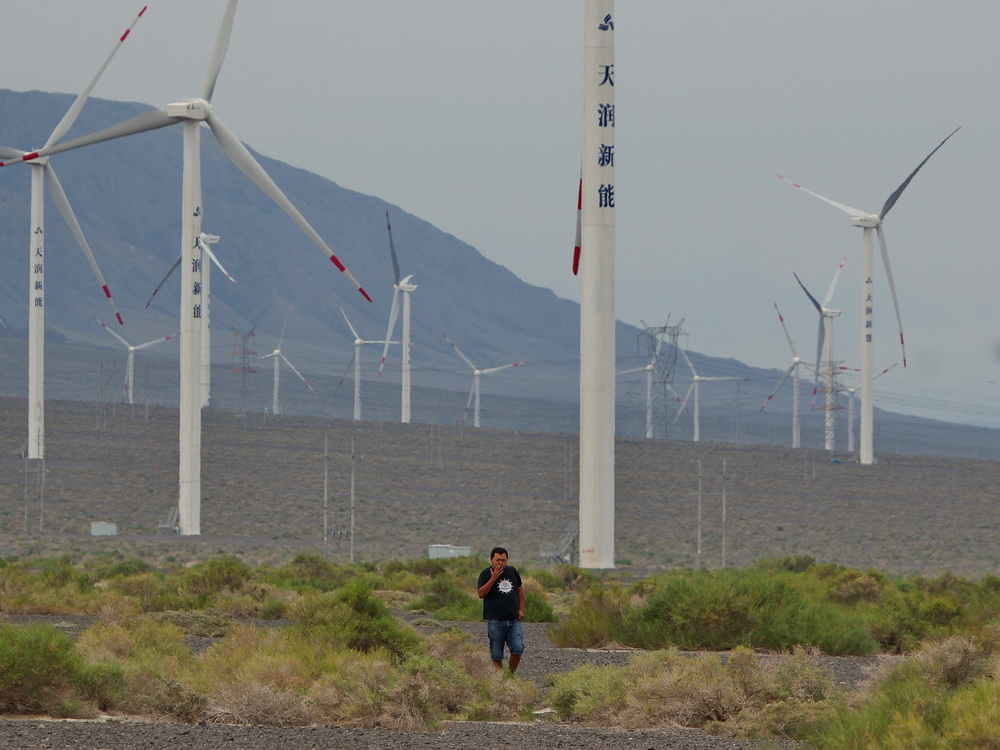
My old dream to watch Azure-winged Magpie is realized so surprisingly; I don’t know that it lives so close to Kazakhstan (about 400 km). Then we went to eastward of Urumqi to watch Mongolian Ground Jay. XinJiang Birwatchers Society and site BIRDS.KZ both have Ground Jays in logos, XBS have XinJiang Ground Jay, BIRDS.KZ have Pander’s Ground Jay (ilensis subspecies). I never saw both of these two birds. But my first Ground Jay should be Mongolian one. We arrived to the glen between Eastern and Central Tien Shan. There is a strong wind therefore foothills of both ridges covered by the wind power plants. The strong wind prevents to birds watching. The flock of Whimbrels flew by us so quickly so I would not have noticed them if they were not shouting.
Arriving to the site we drove to the foothills along the coast of Chaiwopu lake. We watched birds mostly from the car window because strong wind and little rain. In some places of coast the Mallards, Ruddy Shellducks, once Common Shellducks, many Black-headed Gulls were feeding. Most popular of shorebirds were Kentish Plover. On the hummocks of saline marsh around the lake the juvenile Larks were feeding. We id them as Asian Short-toed Larks. This Lark is very similar to Lesser Short-toed Lark. Some taxonomy systems included Asian Short-toed Lark to the China checklist but excluded Lesser Short-toed Lark, other ones on contrary included Lesser and excluded Asian Short-toed Lark. It means some taxonomy systems accept cheelensis as a full species, other ones accept only as subspecies of rufescens. We accepted it as full species.
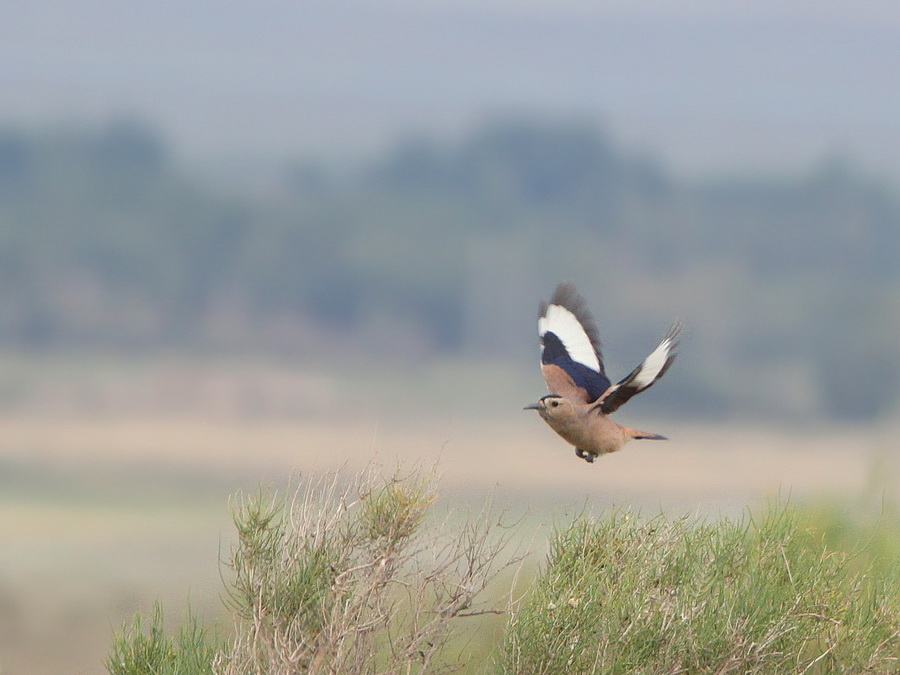
We visited the old animal farm because Mongolian Ground Jay like as our Pander’s Ground Jay often visits old farms. Unfortunately there were no Jay in farm only brood of Turkestan Shrikes. Then we went to the main jay’s habitat a black stony desert with rare and low saxaul thickets. We a bit deepened to saxaul bushes and I saw Hare. We stopped and Ground Jay immediately flew out from the bush, flew by about 70 meters, perched on bush, but probably curiosity prompted it to come back. So we could to watch it very well. Then Jay flew away, and we first on foot then in car began to inspect bushes to look for other Ground Jays. Gou Jun from a far noted pair of Jays followed the Fox. We moved to them, the Fox were hidden but Jays were observed very well but not so close as first time. Ground jays are very beautiful birds! Gou Jun said Mongolian Grond Jays are very rare, probably one only pair lives in this saxaul bushes. So we are lucky guys. Also we found out that hare’s meeting is a good luck. Firstly I found Hare then saw Ground jay.
1. Mongolian Ground jay

2. Azure-winged Magpie in Urumqi

3. Brood of Daurian Partridges

4. Oriental Turtle Dove
5. Juvenile Azure-winged Magpie
6. Great Tit
7. Mongolian Ground jay
8. Sanzhar in the habitat of Mongolian Ground jay
Поздравляю! Половина запланированного выполнена! Одна из соек не только увидена, но и очень прилично сфотографирована!
2016-08-11. Аскар Исабеков:
спасибо, Гена!
2016-08-11. Анна Ясько:
Ну и голубая сорока - это тоже здорово!
2016-08-23. Сергей Волков:
Аскар, а ты полностью уверен, что голубые сороки в Урумчи появились в результате выпуска?
2016-08-23. санжар абдихалык:
Это данные от Синьдзянского Орнитологического Общества. Голубые сороки как и обычные сороки - считаются в китайской культуре талисманом удачи - и китайцы любят выпускать их (как и многих других птиц впрочем)
Между Урумчи и центральной Ганьсу (самая западная точка естественного ареала) - более тысячи километров ганьсуского коридора - где голубая сорока не встречается
http://www.birdlife.org/datazone/species/factsheet/22705827
Выше по ссылке ее ареал.
Кстати - успешная популяция - также результат интродукции - существует в Гонконге, где я был удивлен ее увидеть )))
А вообще - супер-интересная птичка. Хотя естественный ареал - северо-восточный и центральный Китай - также существует популяция в Португалии/Испании - причем уже очень давно и ученые до сих пор не могут объяснить как она там оказалась так как генетического различия в принципе недостаточно для ее разделения на виды (по крайней мере Birdlife так считает)
calendar
2026
| jan | feb | mar | apr |
| may | jun | jul | aug |
| sep | oct | nov | dec |
| jan | feb | mar | apr |
| may | jun | jul | aug |
| sep | oct | nov | dec |
| jan | feb | mar | apr |
| may | jun | jul | aug |
| sep | oct | nov | dec |
| jan | feb | mar | apr |
| may | jun | jul | aug |
| sep | oct | nov | dec |
| jan | feb | mar | apr |
| may | jun | jul | aug |
| sep | oct | nov | dec |
| jan | feb | mar | apr |
| may | jun | jul | aug |
| sep | oct | nov | dec |
| jan | feb | mar | apr |
| may | jun | jul | aug |
| sep | oct | nov | dec |
| jan | feb | mar | apr |
| may | jun | jul | aug |
| sep | oct | nov | dec |
| jan | feb | mar | apr |
| may | jun | jul | aug |
| sep | oct | nov | dec |
| jan | feb | mar | apr |
| may | jun | jul | aug |
| sep | oct | nov | dec |
| jan | feb | mar | apr |
| may | jun | jul | aug |
| sep | oct | nov | dec |
| jan | feb | mar | apr |
| may | jun | jul | aug |
| sep | oct | nov | dec |
| jan | feb | mar | apr |
| may | jun | jul | aug |
| sep | oct | nov | dec |
| jan | feb | mar | apr |
| may | jun | jul | aug |
| sep | oct | nov | dec |
| jan | feb | mar | apr |
| may | jun | jul | aug |
| sep | oct | nov | dec |
| jan | feb | mar | apr |
| may | jun | jul | aug |
| sep | oct | nov | dec |
| jan | feb | mar | apr |
| may | jun | jul | aug |
| sep | oct | nov | dec |
| jan | feb | mar | apr |
| may | jun | jul | aug |
| sep | oct | nov | dec |
| jan | feb | mar | apr |
| may | jun | jul | aug |
| sep | oct | nov | dec |
| jan | feb | mar | apr |
| may | jun | jul | aug |
| sep | oct | nov | dec |
| jan | feb | mar | apr |
| may | jun | jul | aug |
| sep | oct | nov | dec |
| jan | feb | mar | apr |
| may | jun | jul | aug |
| sep | oct | nov | dec |
rare birds records
Squacco Heron (Ardeola ralloides)
© Andrey Kovalenko
2026-06-06
Almaty area, Sorbulak.
Great Snipe (Gallinago media)
© Vasilii Bastaev
2026-05-08
Karakol lake, Mangystau
Great Snipe (Gallinago media)
© Qanatbek Kenzhegulov
2026-04-14
Aktau, Mangystau region
Northern Wren (Troglodytes troglodytes)
© Alexandr Fedulin
2026-03-30
Big Year 2026
2. Aizhan Baitimbet (270)
3. Galym Baitimbet (267)
4. Zhaskairat Ermek (260)
5. Nikita Kanunnikov (228)
6. Gennadiy Dyakin (219)
7. Vladimir Muravskiy (219)
8. Andrey Kovalenko (196)
9. Sirimbet Zharilkasin (196)
10. Viktoriya Zvyaginceva (182)
unidentified birds
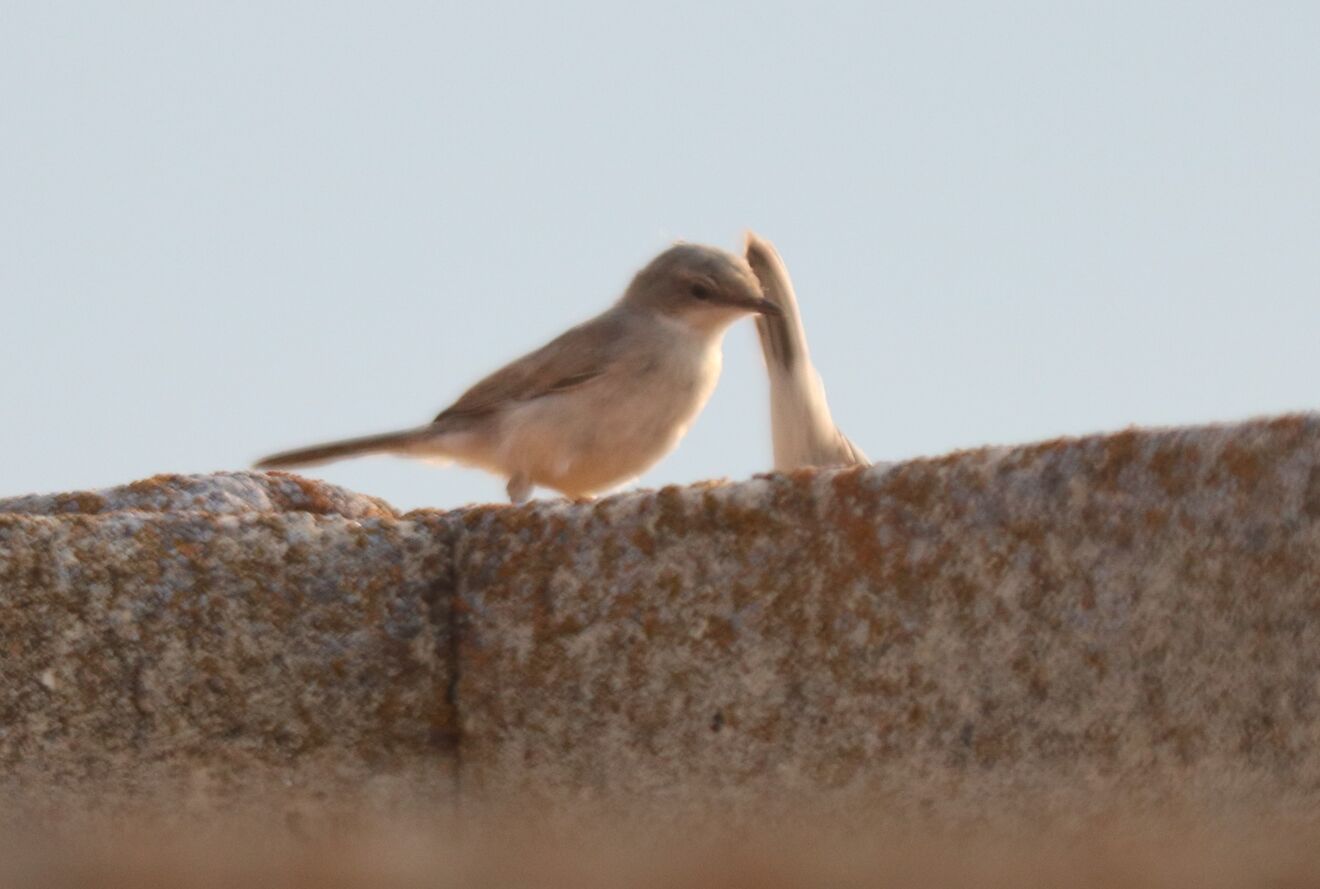
Жаскайрат Ермек: Садовая славка?
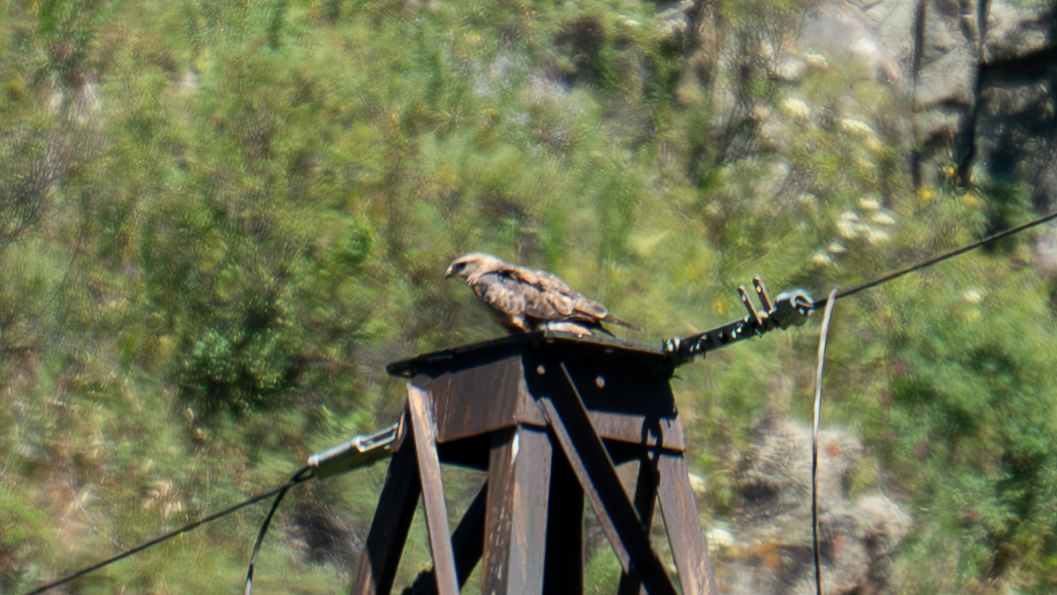
Руслан Абутрапов: Спасибо!
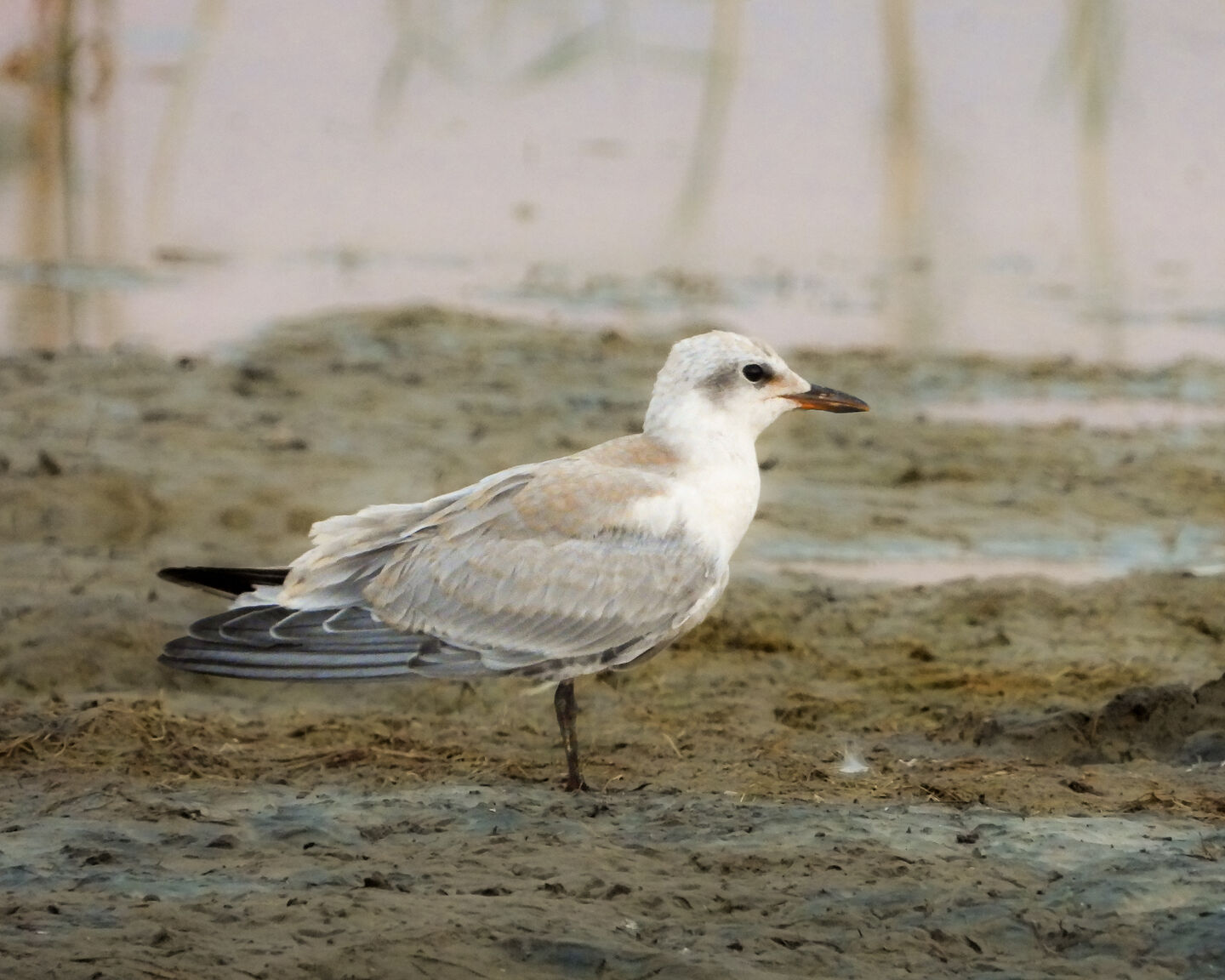
Анна Ясько: Чайконосая крачка.