
pictures
blog posts
search
classification:
Gaviiformes
Podicipediformes
Pelecaniformes
Ciconiiformes
Phoenicopteriformes
Anseriformes
Falconiformes
Galliformes
Gruiformes
Charadriiformes
Pterocletiformes
Columbiformes
Cuculiformes
Strigiformes
Caprimulgiformes
Apodiformes
Coraciiformes
Upupiformes
Piciformes
Passeriformes
Taklamakan desert. XinJiang Ground Jay.
2016-08-08| Askar Isabekov
Went to south with Lee Tao and Liang Yong. Weather is rainy and cold, but the road is long, probably the weather in final destination will be sunny. On roadside I noticed Mynah and said about it to our local friends. They said that Mynah is rare but occurs to east almost to eastern border of XinJiang. It’s surprisingly to me. In fact Mynah expands to east! I thought it expand from east to west direction, but it in fact expand from south (from India) to Kazakhstan and then to east (along Ile river) and to west.
Tien Shan bypass road runs between rocks, ascent and descent are slightly observable. Sanzhar said that local landscape is not similar to our Tien Shan with green forests and grass. Here is very very dry. We saw only Ravens, no other birds. Our friends said that they some time watched migrating Scaly Thrush in the river in this dry mountains.
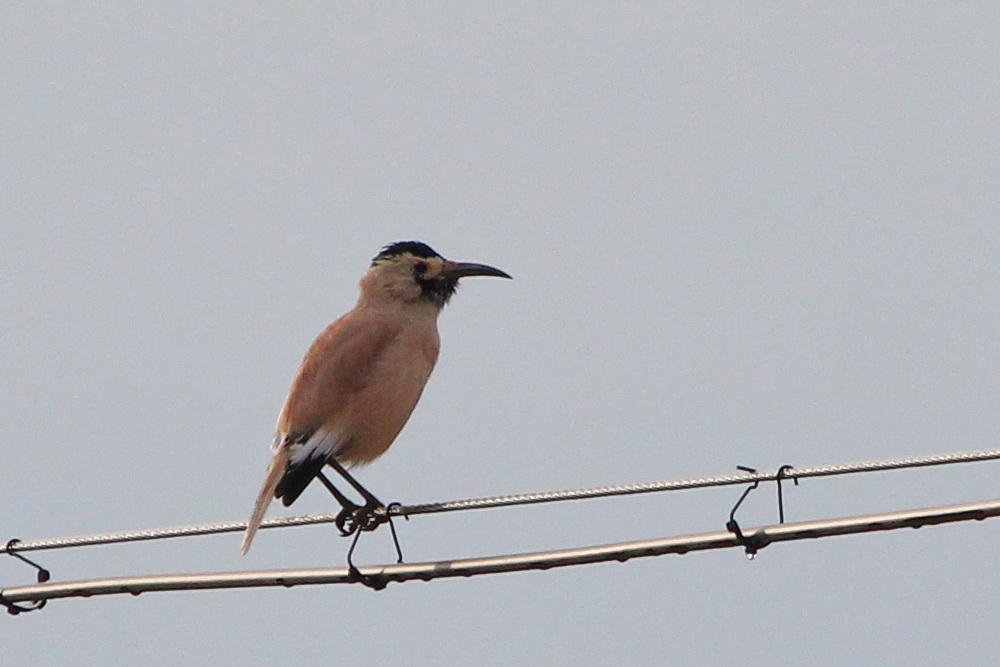
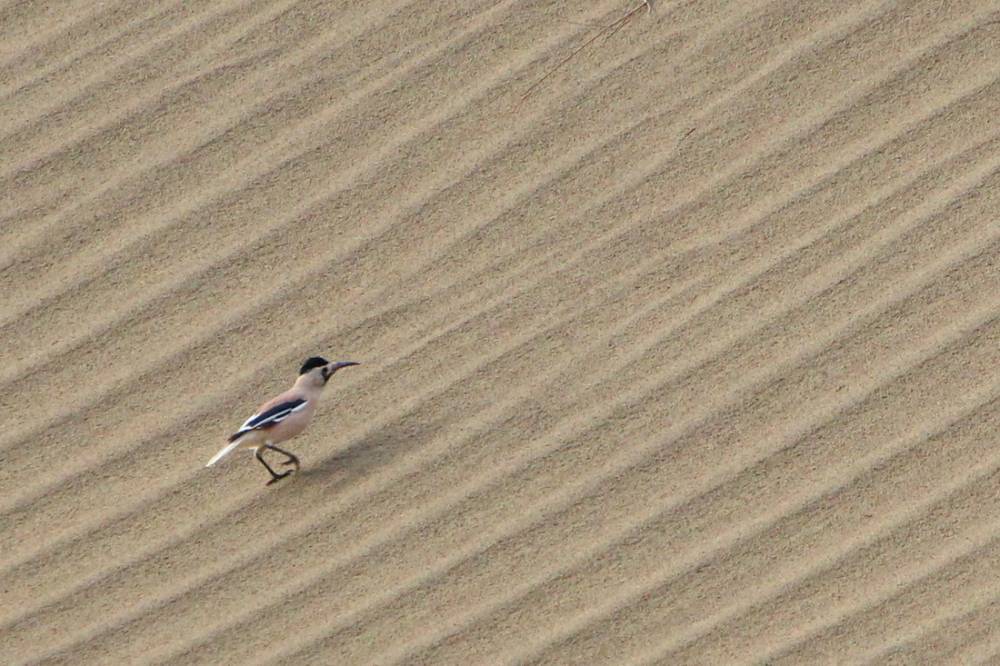
Arrived to Taklamakan desert. Road in desert runs along the river (or channel), there are green fields on road sides. But it is illusion, the band of cultivated lands is very narrow, behind the green field there is gigantic and lifeless desert. Number of birds is more than in dry mountains but still not enough. We saw mostly Isabelline Shrikes, Collared Doves and White Wagtails. We drove past the large city Korla (600 thousands). Driving about 100 kilometers over Korla we arrived to point where one side of the road is sand hills with some bushes. We left the car and began to look for one only XinJiang’s endemic XinJiang Ground Jay which is very well differs from Mongolian Ground Jay by white tail and large dark “mustaches”. By that time the morning rain was over and some times sun was visible. We looked for Ground Jay not so long although first time we watched only Isabelline Shrikes and Lesser Whitethroats. But in final all of us (exclude Sanzhar) watched our target bird but I also had possibility to take photos of it. I noticed my “own” Ground Jay perching in wires! Then it grounded and went (not run) to the top of sand hill, then stopped, looked me and hid behind the hill. I watched it a little time, probably two or three minutes. But I am very glad! By the way, before the Ground Jay I twice saw Hares, so XinJiang’s sign is work!
From the desert we came back to Korla at night.
1. XinJiang Ground Jay. Please note white tail and dark mustaches

2. Our good friend and guide - Lian Yong.

3. Taklamakan desert after the rain

4. In the searching of Ground Jay
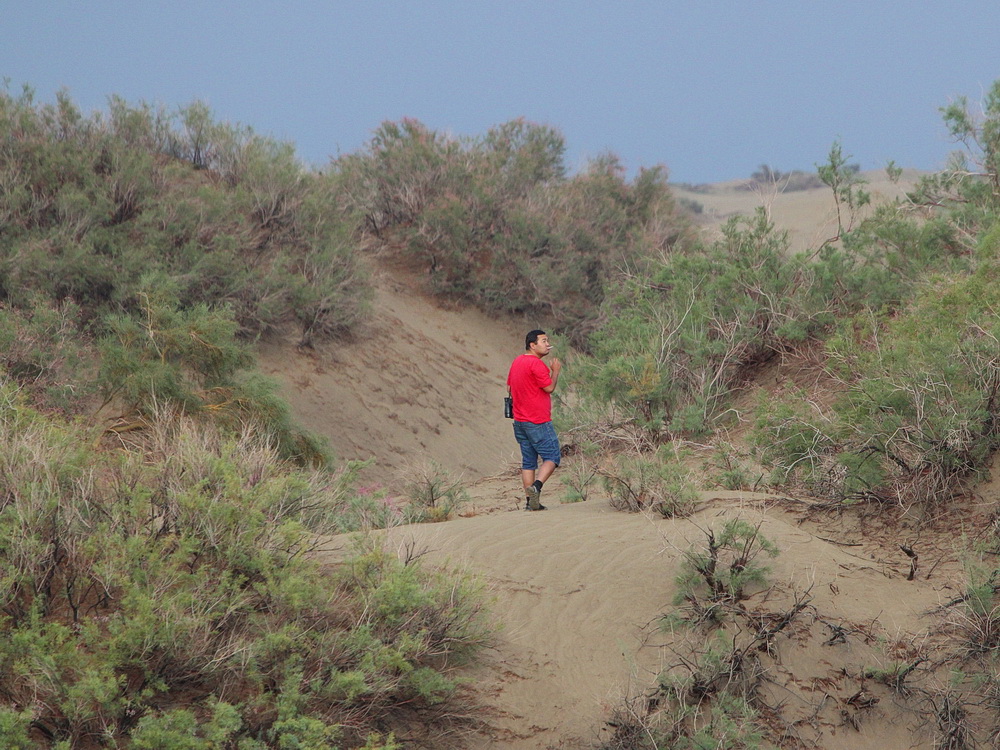
5. XinJiang Ground Jay lives only in Taklamakan
6. Ground Jay went (not run) up to the top of sand hill
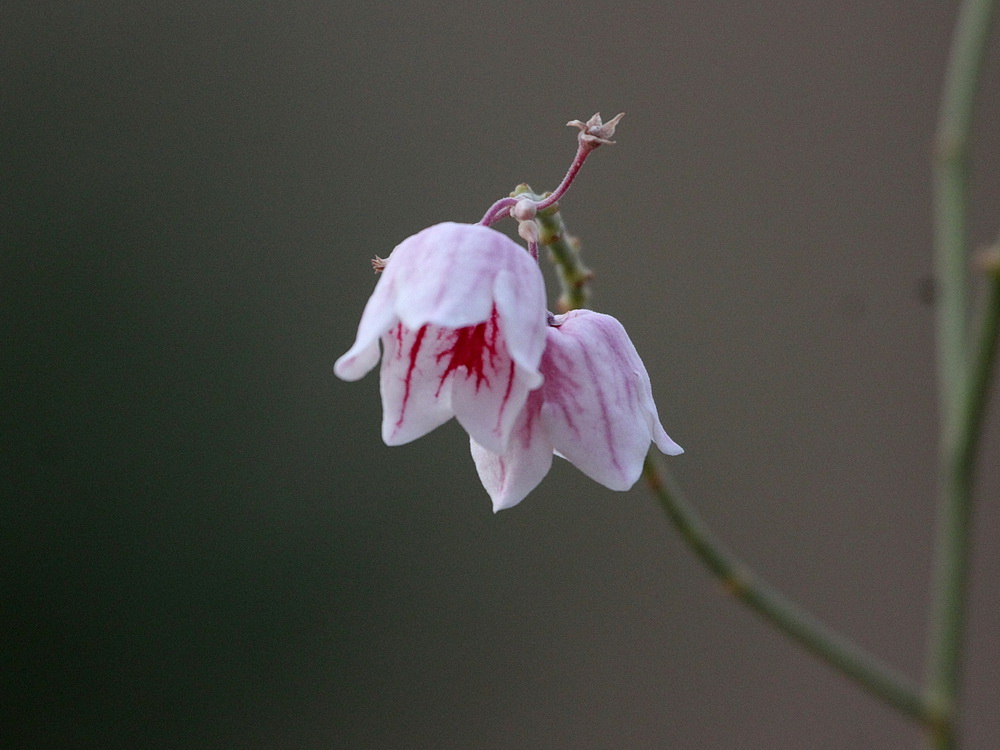
7. Flower of the desert
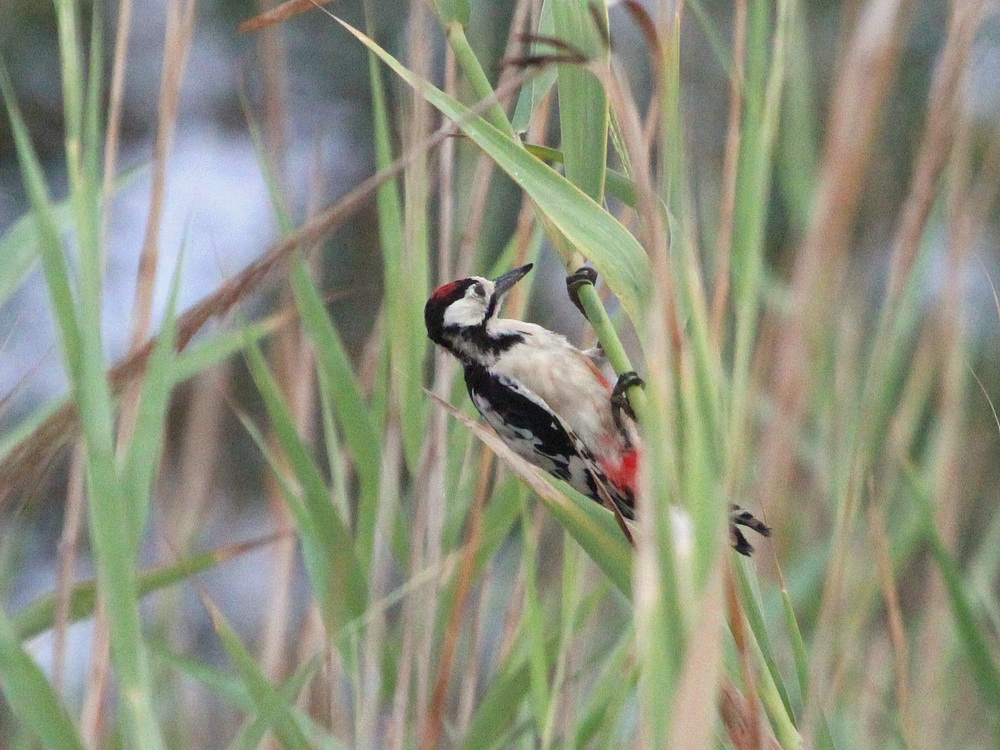
8. Juvenile White-winged Woodpecker
Поздравляю, Аскар! Увидеть два вида саксаульных соек - это очень очень круто. Об эндемиках. В Синьцзяне есть эндемичный козодой Вори - Caprimulgus centralasicus. Есть также и europaeus, и aegyptius.
2016-08-10. Геннадий Дякин:
Вау! И вторую сойку увидели и сфотали. Ну теперь цель поездки выполнена полностью. Поздравляю с успехом!
Ну а Санжар теперь будет всем говорить, что видел не только 3 авдотки, причем все заграничные, нашу не видел, но и 2 заграничные саксаульные сойки, а нашу не видел.
2016-08-10. Олег Белялов:
Кстати, хотя возможно это и не принципиально, но в нашей литературе Podocts biddulphi - кашгарской принято называть. И это более верно отражает её ареал - пустыни Кашгарии. Ведь в Синьцзяне есть и пустыня Джунгария, но там живет другая саксаульная сойка - Podoces hendersoni. Которую уже больше любят не в Синьцзяне, а в Монголии, наряду с жаворонком, пустынным снегирём, завирушкой и одной из чаек ))) Мы этой темой обделены, хотя наша территория больше обеих упомянутых.
2016-08-12. Аскар Исабеков:
Спасибо, Олег. Действительно, правильнее называть эту сойку кашгарской. Касательно привязки названия птицы к территории - мы обделены темой, потому что Кашгария или Джунгария - это не страны, это географические территории. Монголия, кстати, тоже. Казахстан - это не географическая территория. С другой стороны, у нас есть частями такие территории как Туркестан, Сибирь и Прикаспий. И соответственно, есть птицы, в названии которых присутствуют слова "туркестанский", "сибирский", "каспийский". Страны могут исчезать и появляться, а территории - нет. И эндемиков тоже следует привязывать не к стране, а к территории. Тогда наша сойка - это туркестанский эндемик. На avibase ее именно так и называют Turkestan Ground-Jay.
calendar
2026
| jan | feb | mar | apr |
| may | jun | jul | aug |
| sep | oct | nov | dec |
| jan | feb | mar | apr |
| may | jun | jul | aug |
| sep | oct | nov | dec |
| jan | feb | mar | apr |
| may | jun | jul | aug |
| sep | oct | nov | dec |
| jan | feb | mar | apr |
| may | jun | jul | aug |
| sep | oct | nov | dec |
| jan | feb | mar | apr |
| may | jun | jul | aug |
| sep | oct | nov | dec |
| jan | feb | mar | apr |
| may | jun | jul | aug |
| sep | oct | nov | dec |
| jan | feb | mar | apr |
| may | jun | jul | aug |
| sep | oct | nov | dec |
| jan | feb | mar | apr |
| may | jun | jul | aug |
| sep | oct | nov | dec |
| jan | feb | mar | apr |
| may | jun | jul | aug |
| sep | oct | nov | dec |
| jan | feb | mar | apr |
| may | jun | jul | aug |
| sep | oct | nov | dec |
| jan | feb | mar | apr |
| may | jun | jul | aug |
| sep | oct | nov | dec |
| jan | feb | mar | apr |
| may | jun | jul | aug |
| sep | oct | nov | dec |
| jan | feb | mar | apr |
| may | jun | jul | aug |
| sep | oct | nov | dec |
| jan | feb | mar | apr |
| may | jun | jul | aug |
| sep | oct | nov | dec |
| jan | feb | mar | apr |
| may | jun | jul | aug |
| sep | oct | nov | dec |
| jan | feb | mar | apr |
| may | jun | jul | aug |
| sep | oct | nov | dec |
| jan | feb | mar | apr |
| may | jun | jul | aug |
| sep | oct | nov | dec |
| jan | feb | mar | apr |
| may | jun | jul | aug |
| sep | oct | nov | dec |
| jan | feb | mar | apr |
| may | jun | jul | aug |
| sep | oct | nov | dec |
| jan | feb | mar | apr |
| may | jun | jul | aug |
| sep | oct | nov | dec |
| jan | feb | mar | apr |
| may | jun | jul | aug |
| sep | oct | nov | dec |
| jan | feb | mar | apr |
| may | jun | jul | aug |
| sep | oct | nov | dec |
rare birds records
Squacco Heron (Ardeola ralloides)
© Andrey Kovalenko
2026-06-06
Almaty area, Sorbulak.
Great Snipe (Gallinago media)
© Vasilii Bastaev
2026-05-08
Karakol lake, Mangystau
Great Snipe (Gallinago media)
© Qanatbek Kenzhegulov
2026-04-14
Aktau, Mangystau region
Northern Wren (Troglodytes troglodytes)
© Alexandr Fedulin
2026-03-30
Big Year 2026
2. Aizhan Baitimbet (270)
3. Galym Baitimbet (267)
4. Zhaskairat Ermek (261)
5. Nikita Kanunnikov (228)
6. Gennadiy Dyakin (219)
7. Vladimir Muravskiy (219)
8. Andrey Kovalenko (196)
9. Sirimbet Zharilkasin (196)
10. Viktoriya Zvyaginceva (182)
unidentified birds
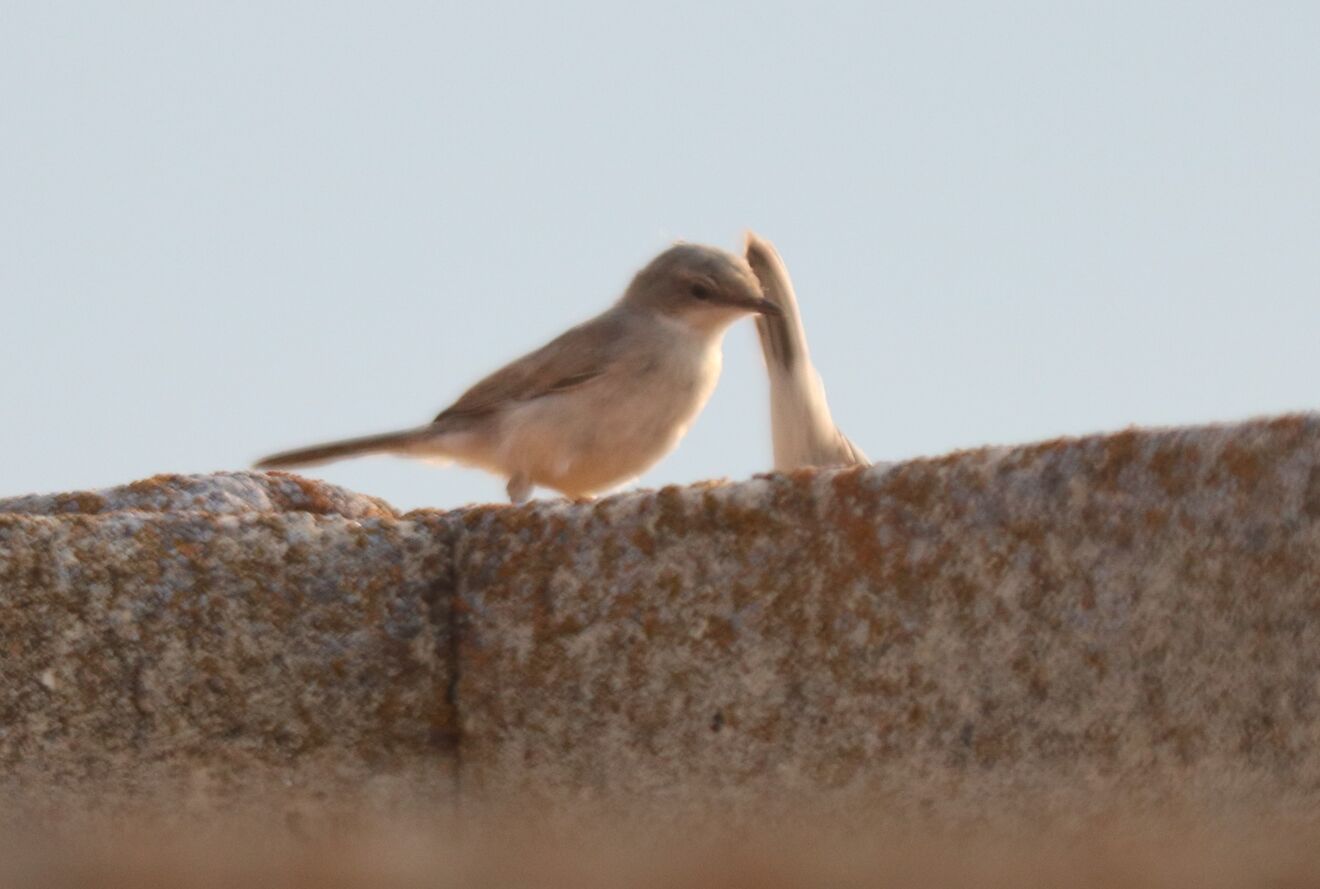
Жаскайрат Ермек: Садовая славка?
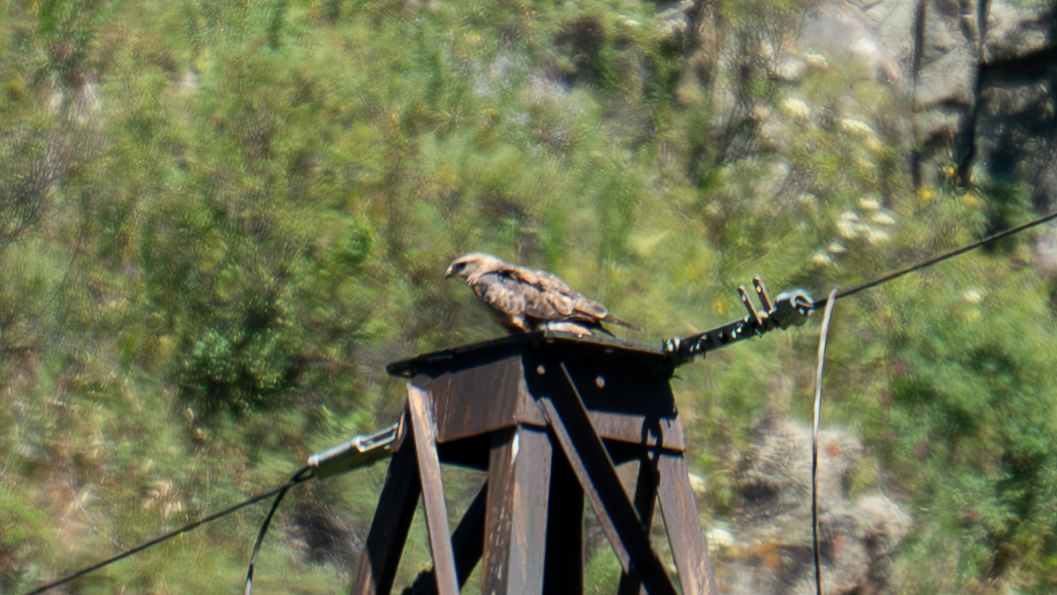
Руслан Абутрапов: Спасибо!
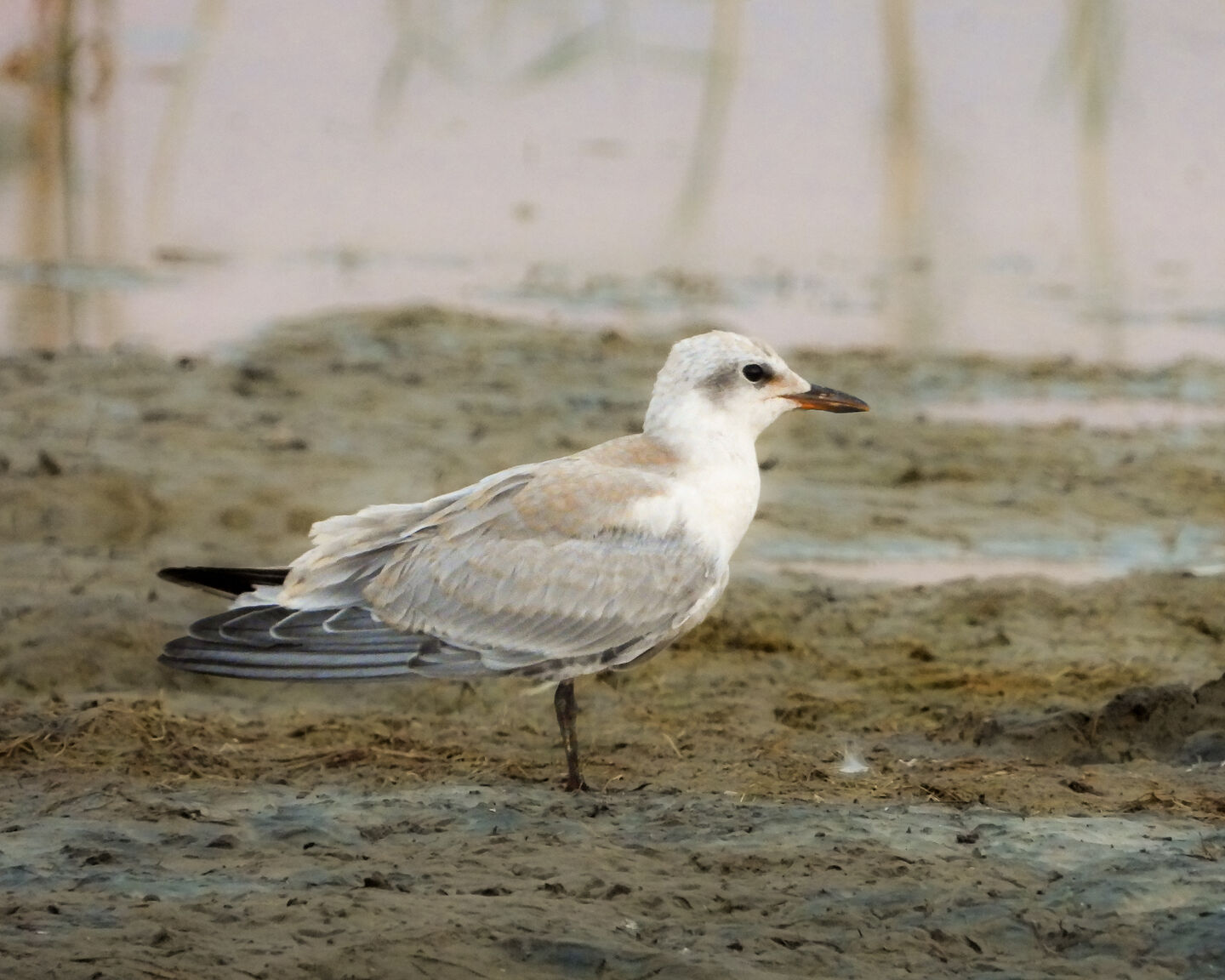
Анна Ясько: Чайконосая крачка.