
pictures
blog posts
search
classification:
Gaviiformes
Podicipediformes
Pelecaniformes
Ciconiiformes
Phoenicopteriformes
Anseriformes
Falconiformes
Galliformes
Gruiformes
Charadriiformes
Pterocletiformes
Columbiformes
Cuculiformes
Strigiformes
Caprimulgiformes
Apodiformes
Coraciiformes
Upupiformes
Piciformes
Passeriformes
Goodbye, Winter!
2018-03-04| Askar Isabekov
Together with Oleg and Anara we travelled to lowland to north from Almaty. Ten days ago the fields were snow-covered, but today we sometimes saw the first green grass. Ten days ago the main birds were Harriers and Owls, but today the Larks. In Almaty winter and summer is rotated almost discretely. Yesterday was winter, tomorrow will be summer.
Th lowland itinerary around Almaty means the numerous of Larks and Birds of prey. We made the first stop for short birding immediately after turning from Kapchagai to Kurty, where we watched Calandra Larks and Common Starlings. Larks were individual and singing songs. The greatest characteristic of spring is the singing Larks! We later saw a lot of Calandra Larks during the road, both in flocks and alone. Calandra Lark is the most popular bird today, we saw totally about two thousands birds. Only Rook could be another candidate to be most popular bird, because we saw a lot of Rooks in many colonies, already in nests. But number of Rooks was less the number of Calandra Larks. Near Kurty we saw four flying by Great Bustards too, very nice birds, probably the largest bird of Kazakhstan.
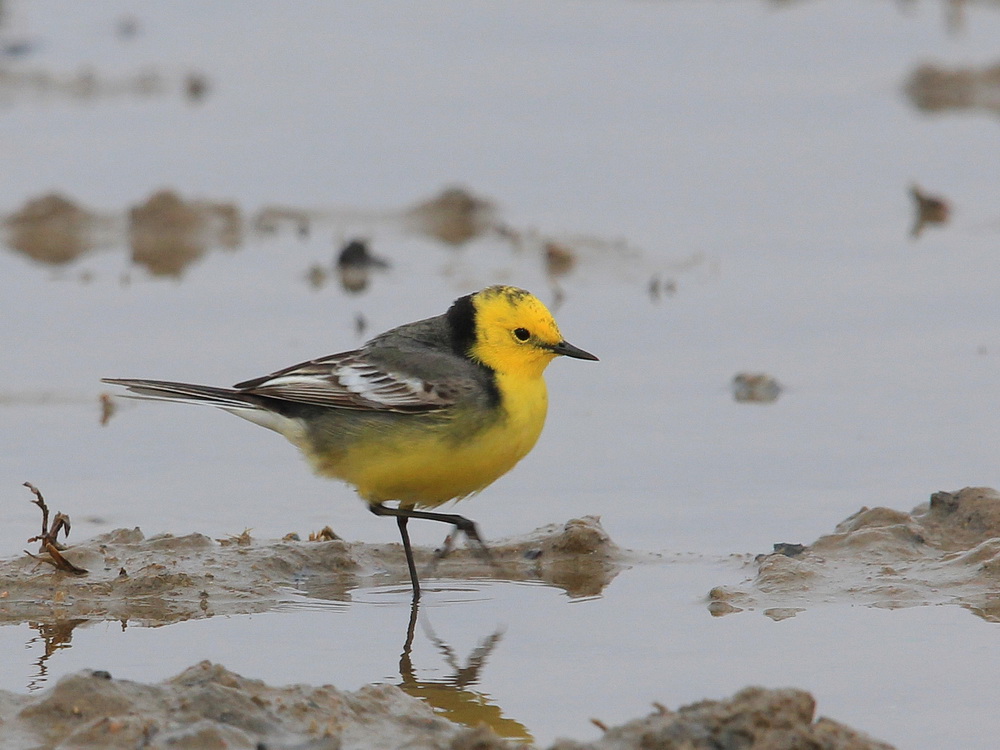
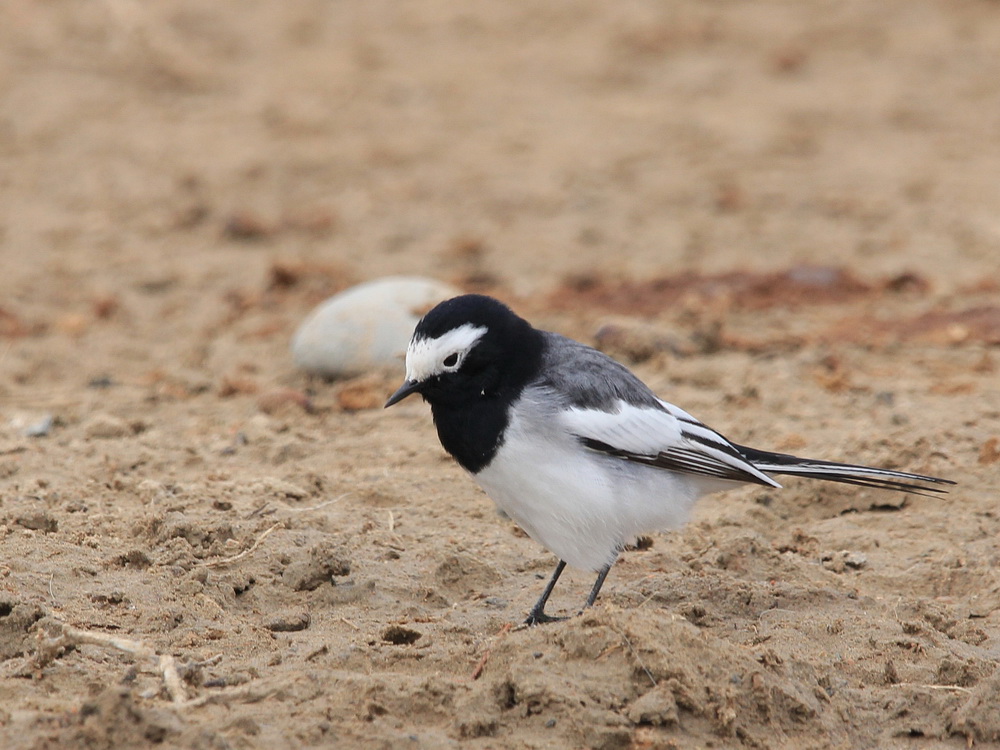
Before Kanshengel we visited the well near Aidarly village, where we hoped to find spring Shrikes and Wheatears. We saw not expecting birds but about two tens of Ducks in small lakes (Mallards, Garganeys, Common Teals, Common Pochards, and some Ruddy Shelducks in ground near lake). Of the little Passerines we noticed only Masked Wagtails and Larks. The same little birds we saw in well inside Kanshegel village too. The appearing of Masked Wagtail means the appearing of spring. But the Citrine Wagtail gives the first bright colour for the still grey and pale spring. The first spring Citrine Wagtail contain just this emotion, which will not inside the following Wagtails.
Then we went by the dirty roads to the some of wells in desert. The ground is still wet, some times car veered, especially in saline soils. We watched six Pallas's Sandgrouses and hundreds of Larks, mostly Calandra and White-winged Larks, but Lesser Short-toed and Sky Larks too. We also saw the couple of Long-legged Buzzard staying close to nest. By the way, we didn't see Little Owl, the construction, inside which Owl recent years had nesting, is destroyed. It's a pity.
Our back road was through the lands which Oleg called as “Country of Larks”, that is the territory around Chu-Ili Mountains in direction of Kopa. The road looks like after the war one. There is only one a very nice part of road near Tamgaly, where foreigners watches the cave painting. We saw a lot of Calandra Larks and large flocks of Twites feeding in the road. We saw the Bimaculated Larks too, but still a bit. In this part of road we also noted two Desert Wheatears, both were males. Oleg said that Desert Wheatear appears earlier than other Wheaters, but we usually firstly record Pied Wheatear because latter is numerous and lives near human settlements.
Birds of prey were more diverse than Passerines. Long-legged Buzzard, the raptor number one in Kazakhstan, mostly was observed in couples, some couples were staying near or in nests. Golden Eagles were also observed in couple, may be it means the nesting in these rocks. But Steppe Eagle and Rough-legged Buzzards were observed by alone birds. First one was probably migrant bird, but Buzzards are still in wintering.
During the road from Kopa, and especially from Degeres to foothills there are the road-side trees (Asian Elm). There are colonies of Rooks here, but we were impressed by the number of Common Kestrels, couples of which are staying near old nests. Totally we saw about 20-30 Kestrels during 15-20 kms of the road. We didn't see the expecting isabelline Shrikes but twice recorded Great Grey Shrikes. We saw the Buntings near Shrikes too. All the time when I record Grey Shrike near the flock of Buntings, I think they come to wintering together. Shrike like shepherd follows herd of Buntings and eats mostly the birds from own herd. But it's my guess only.
As usually Oleg was counting number of species, birds and recording the phenological facts. As usually we wanted the nice round number of recorded species. When we had 32, 37 and 42 species, I said we have at least Myna, Tee Sparrow and Collared Dove which we see sure in every next village. But we didn't see these birds, because in Almaty not only winter and summer are rotated almost discretely, but night replaces the day during 15 minutes. So very quickly we became in night, and nothing viewed in villages.
Our loop road was more than 500 kms, we started at 7am and came back close to 10pm. The most important records are singing Larks, Rooks in colonies, Great Bustards, numerous Long-legged Buzzards and Common Kestrels, both in couples near nests, Wagtails, Wheatears. So, the winter is finished.
1. Long-legged Buzzard, the most popular bird of prey in Kazakhstan.

2. Calandra Larks are already singing.

3. Great Bustrads

4. Citrine Wagtail is the first colourful bird of spring.
5. Masked Wagtail
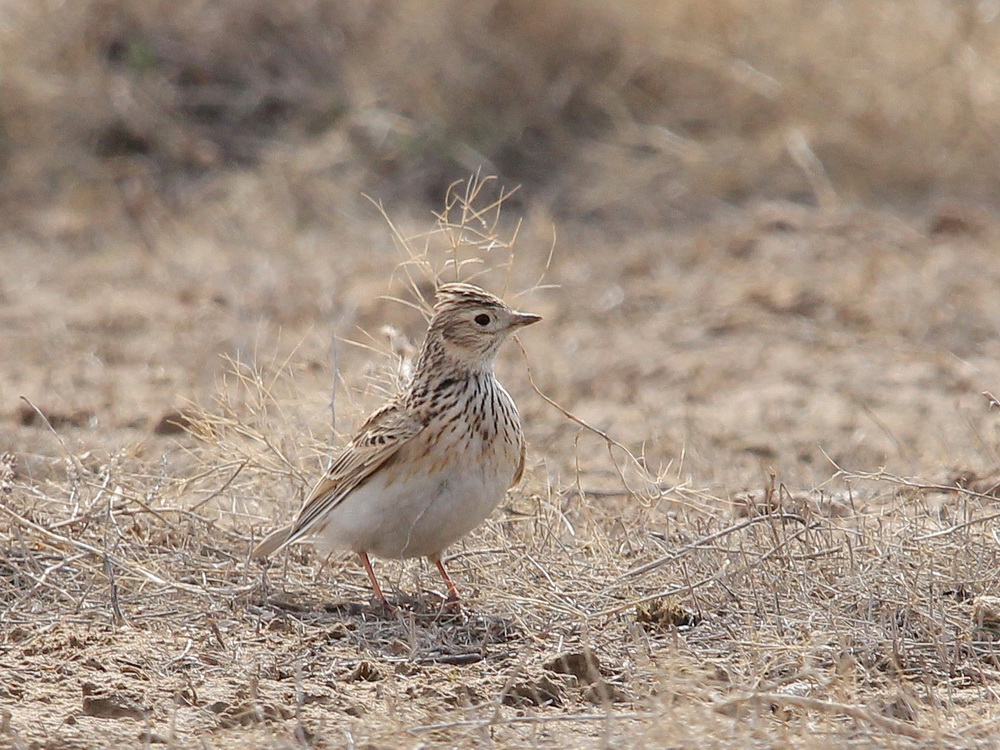
6. Skylark
7. White-winged Larks probably will nest in Kamshengel

8. Twite

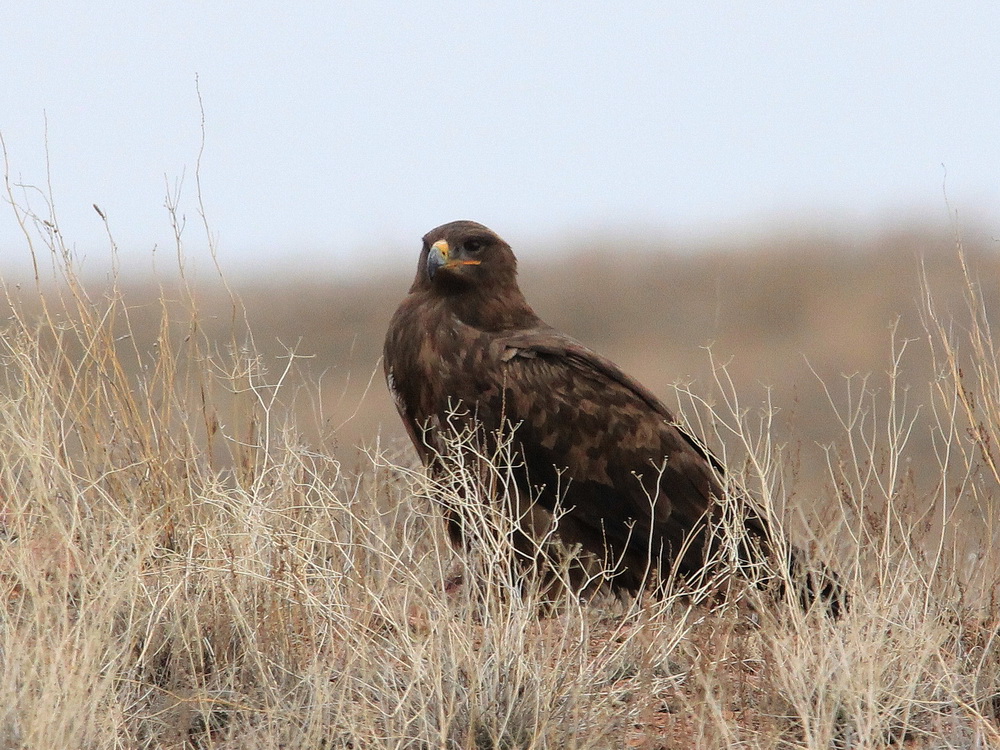
9. Steppe Eagle
10. Desert Wheatear is the first Wheatear of spring

11. Rough-legged Buzzard
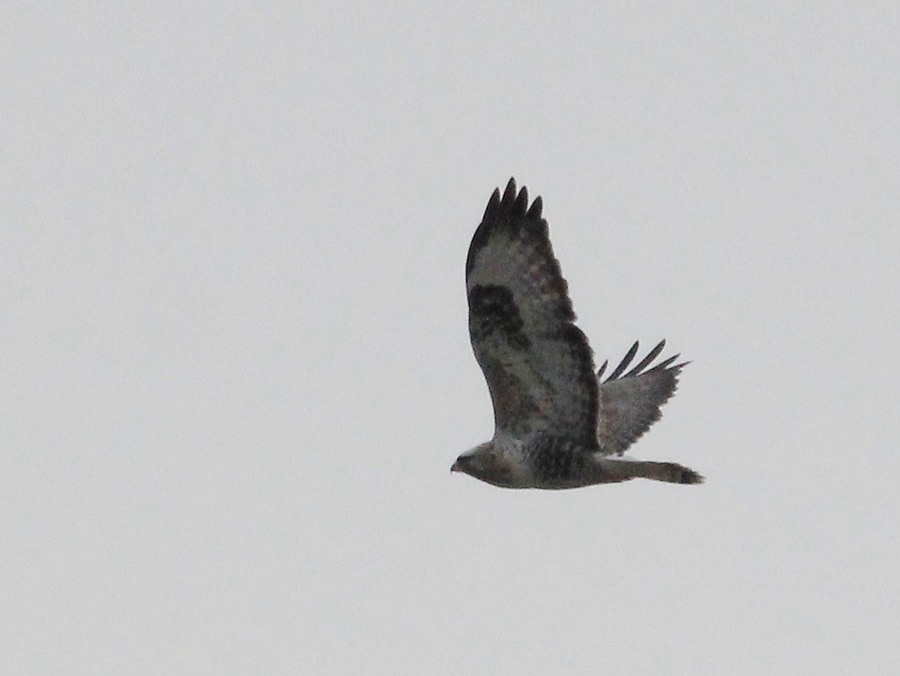
12. Golden Eagle

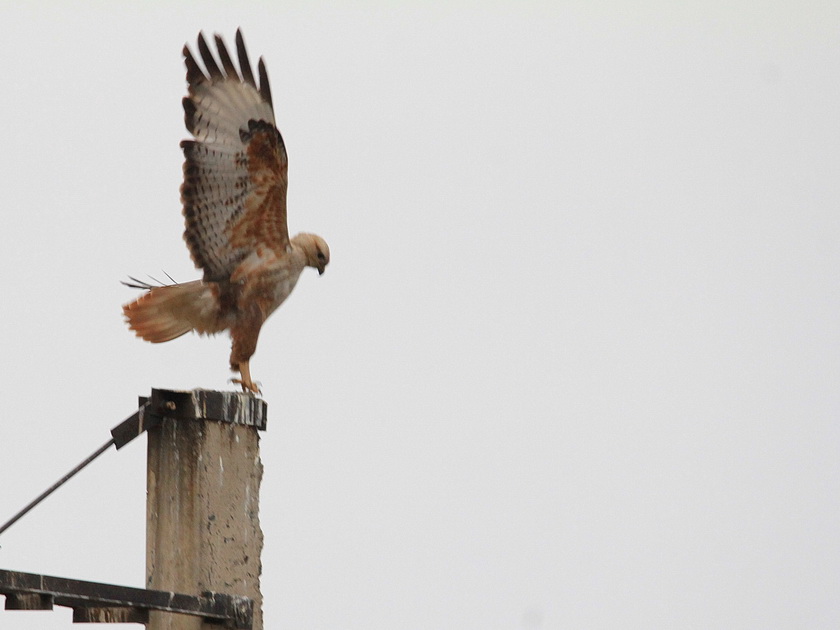
13. one more Long-legged Buzzard
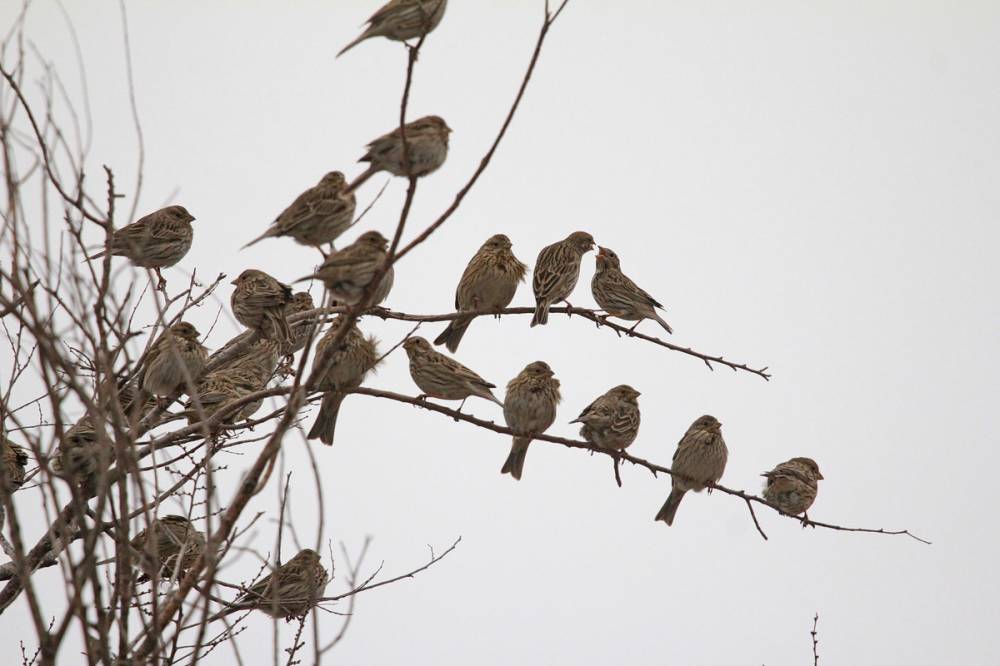
14. Corn Buntings are yet in flocks
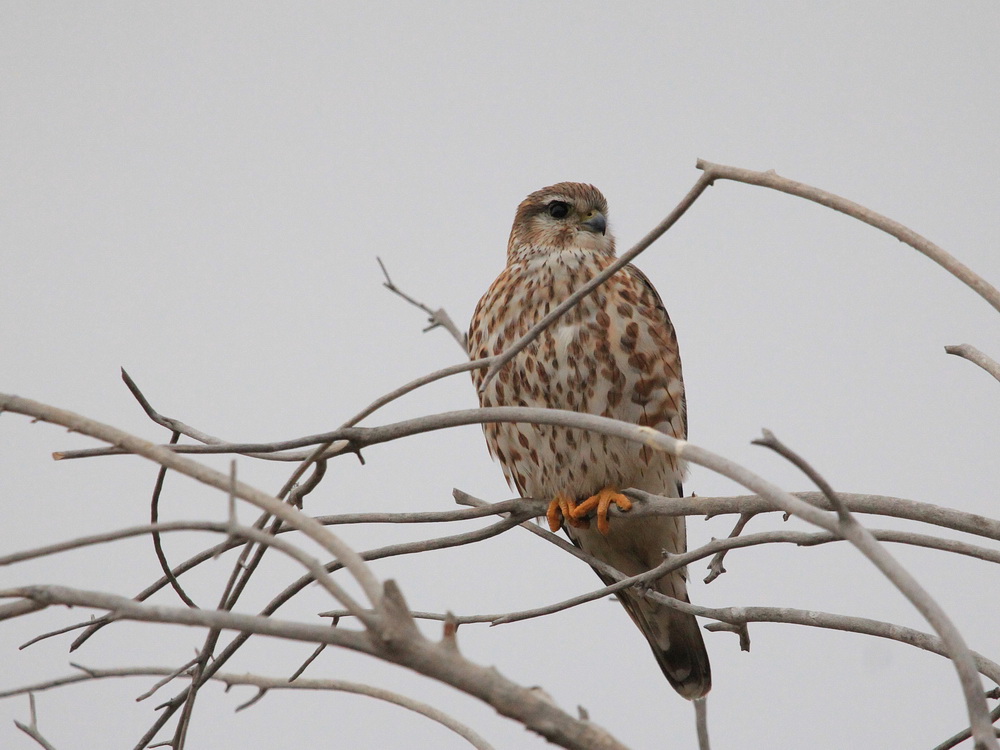
15. female Merlin, the male was nearby
16. Great Grey Shrike

| # | species | number | |
| 1 | Ruddy Shelduck (Tadorna ferruginea) | 10 | |
| 2 | Mallard (Anas platyrhynchos) | ||
| 3 | Common Teal (Anas crecca) | ||
| 4 | Gadwall (Anas strepera) | ||
| 5 | Northern Pintail (Anas acuta) | 7 | |
| 6 | Common Pochard (Aythya ferina) | 5 | |
| 7 | Hen Harrier (Circus cyaneus) | 1 | |
| 8 | Common Sparrowhawk (Accipiter nisus) | 1 | |
| 9 | Rough-legged Buzzard (Buteo lagopus) | ||
| 10 | Long-legged Buzzard (Buteo rufinus) | ||
| 11 | Eastern Buzzard (Buteo japonicus) | ||
| 12 | Steppe Eagle (Aquila nipalensis) | 1 | |
| 13 | Golden Eagle (Aquila chrysaetos) | 2 | |
| 14 | Merlin (Falco columbarius) | 2 | |
| 15 | Common Kestrel (Falco tinnunculus) | 25 | |
| 16 | Great Bustard (Otis tarda) | 4 | |
| 17 | Black-headed Gull (Larus ridibundus) | 25 | |
| 18 | Caspian Gull (Larus cachinnans) | 2 | |
| 19 | Pallas's Sandgrouse (Syrrhaptes paradoxus) | 6 | |
| 20 | Stock Pigeon (Columba oenas) | 1 | |
| 21 | Rock Pigeon (Columba livia) | 50 | |
| 22 | Crested Lark (Galerida cristata) | 10 | |
| 23 | Lesser Short-toed Lark (Calandrella rufescens) | 10 | |
| 24 | Calandra Lark (Melanocorypha calandra) | 2000 | |
| 25 | Bimaculated Lark (Melanocorypha bimaculata) | 3 | |
| 26 | White-winged Lark (Melanocorypha leucoptera) | 200 | |
| 27 | Sky Lark (Alauda arvensis) | ||
| 28 | Citrine Wagtail (Motacilla citreola) | 1 | |
| 29 | Masked Wagtail (Motacilla personata) | 4 | |
| 30 | Great Grey Shrike (Lanius excubitor) | 2 | |
| 31 | Common Starling (Sturnus vulgaris) | 50 | |
| 32 | Eurasian Magpie (Pica pica) | ||
| 33 | Eurasian Jackdaw (Corvus monedula) | ||
| 34 | Rook (Corvus frugilegus) | ||
| 35 | Carrion Crow (Corvus corone) | ||
| 36 | Hooded Crow (Corvus cornix) | ||
| 37 | Desert Wheatear (Oenanthe deserti) | 2 | самцы |
| 38 | Black-throated Thrush (Turdus atrogularis) | 70 | |
| 39 | Eurasian Blackbird (Turdus merula) | 1 | |
| 40 | Great Tit (Parus major) | ||
| 41 | Twite (Acanthis flavirostris) | 150 | |
| 42 | Corn Bunting (Emberiza calandra) | 50 | |
| 43 | Yellowhammer (Emberiza citrinella) | 5 | |
| 44 | Pine Bunting (Emberiza leucocephala) | 5 | |
что-то забыл из списке
2018-03-05. Олег Белялов:
+ Полевой лунь
2018-03-06. Аскар Исабеков:
как ты говоришь (вместе с Пржевальским) - у путешественника нет памяти. Вообще не помню где был лунь.
2018-03-06. Олег Белялов:
Самка, справа по курсу, после дроф, но не доезжая поворота на Курты. Записная книжка - непременный атрибут путешественника - Пржевальский в этом контексте говорил о памяти
2018-03-06. Аскар Исабеков:
видимо, дрофы затмили луниху )))
2018-03-06. Сергей Л. Волков:
Аскар, отличная поездка! У вас не то что зима кончилась, у вас уже весна в разгаре.
2018-03-07. Кирилл Танаев:
Аскар, зачем я от вас уехал.....
2018-03-08. Аскар Исабеков:
Через пару-тройку недель приезжайте еще, тут красавки активно полетят. Кстати, хорошая идея - на Наурыз прилетайте.
2018-03-12. Михаил Калагин:
Вот что то я на счет беркута за №12 сильно сомневаюсь.
2018-03-12. Олег Белялов:
Михаил Калагин. На фото № 12 показан классический взрослый беркут. Даже представить сложно с кем его можно спутать. Снимок очень интересный и динамичный. И при этом видно достаточно признаков. Мы близко наблюдали пару явно на гнездовом участке. Своим комментарием Вы заставили меня сильно сомневаться только в одном... а как должен выглядеть беркут?
2018-03-12. Анна Ясько:
Михаил, вот здесь больше ракурсов этой птицы. Думаю, они развеют Ваши сомнения.
2018-03-13. Михаил Калагин:
Объясняю суть моих сомнений. Да. выставили еще фото птицы. Да. Больше похож на беркута, хотя бы по длине хвоста.
Вот ссылка на моего могильника. И если бы не хвост , то был бы он вашим беркутом
http://www.erbirds.ru/v2photo.php?l=ru&s=011400573&n=1
По другому ссылку не умею делать. Извините
2018-03-13. Олег Белялов:
Сомнения высказанные очень важны - поскольку иначе мы можем впасть в ошибки, будучи уверены в своей правоте. Что можно сказать о наших беркутах, всё же они выбирают иной биотоп, чтобы мы не могли их спутать с могильниками. Но есть нюансы - и беркуты иногда живут в песчаной пустыне, в биотопе могильника, и могильник может поселится в горах. Мне приходилось встречать все варианты. Конкретно об этой встрече. Я видел двух птиц в природе, а не только одну на снимке, и уже издалека был очевиден характерный подъём крыльев вверх, своеобразное V которой не бывает у могильника, "волочащего" крылья почти как степняк. И не было никаких сомнений, что это король неба - беркут. Вам в самом деле удалось встретить очень интересного могильника, и снять его так, что становится удивительно, почему никто не заподозрил в нём беркута. Хорошо что Вам известны пропорции птицы и другие детали. Я не стану спорить, но честно говоря, дали бы мне оба снимка вместе - определил бы обоих как беркутов. Но возможно у Вас есть и другие ракурсы, по которым я бы не ошибся в определении Вашего могильника. В данном случае даже ошибочное определение никак не исказит картину - летали птицы, здесь и сейчас могли летать не только беркут и могильник, но и степной. С беркутом и могильником ошибок очень много и это хорошо видно по публикациям даже профессиональных орнитологов, у которых могильники начинают гнездится тогда, когда они ещё далеко на юге, но при этом беркуты уже сидят на кладках. А вот эти ошибки дают неправильное представление о биологии видов, сроках размножения (которые сильно различаются) и в итоге полностью искажают общую картину. Обычно Аскар в галереях выставляет серии. Но в дневниках другая задача - он выбрал в самом деле эффектную фазу. Это сделали и Вы. А у Вас есть серия фотографий этого могильника? Интересно посмотреть детали. Он выглядит как бы "не совсем взрослым", не хватает важных деталей. Интересно увидеть птицу снизу и форму пальцев крыла, когда они открыты полностью в воздушном потоке
2018-03-13. Аскар Исабеков:
Михаил, а мне кажется, что и Ваша птица тоже беркут. Я не так уверен, как Вы, могу ошибаться, но мне кажется, что у взрослого могильника сильнее выражен контраст между головой и спиной, то есть у него голова светлее, чем у беркута, а спина темнее, почти черная. И у взрослого могильника есть хотя бы по нескольку белых перьев на лопатках, в таком ракурсе я думаю, они бы были видны. И голова у могильника пропорционально крупнее, а на Вашем фото, голова выглядит небольшой. Но, повторюсь, могу и ошибаться.
2018-03-13. Михаил Калагин:
Фотки с других ракурсов я добавил по моему как раз какие просили, но я точно знаю что у меня 100% могильник.
По-этому у меня и возникло сомнение по вашему беркуту, а не просто захотелось поспорить )))
2018-03-13. Аскар Исабеков:
согласен, у Вас могильник
calendar
2026
| jan | feb | mar | apr |
| may | jun | jul | aug |
| sep | oct | nov | dec |
| jan | feb | mar | apr |
| may | jun | jul | aug |
| sep | oct | nov | dec |
| jan | feb | mar | apr |
| may | jun | jul | aug |
| sep | oct | nov | dec |
| jan | feb | mar | apr |
| may | jun | jul | aug |
| sep | oct | nov | dec |
| jan | feb | mar | apr |
| may | jun | jul | aug |
| sep | oct | nov | dec |
| jan | feb | mar | apr |
| may | jun | jul | aug |
| sep | oct | nov | dec |
| jan | feb | mar | apr |
| may | jun | jul | aug |
| sep | oct | nov | dec |
| jan | feb | mar | apr |
| may | jun | jul | aug |
| sep | oct | nov | dec |
| jan | feb | mar | apr |
| may | jun | jul | aug |
| sep | oct | nov | dec |
| jan | feb | mar | apr |
| may | jun | jul | aug |
| sep | oct | nov | dec |
| jan | feb | mar | apr |
| may | jun | jul | aug |
| sep | oct | nov | dec |
| jan | feb | mar | apr |
| may | jun | jul | aug |
| sep | oct | nov | dec |
| jan | feb | mar | apr |
| may | jun | jul | aug |
| sep | oct | nov | dec |
| jan | feb | mar | apr |
| may | jun | jul | aug |
| sep | oct | nov | dec |
| jan | feb | mar | apr |
| may | jun | jul | aug |
| sep | oct | nov | dec |
| jan | feb | mar | apr |
| may | jun | jul | aug |
| sep | oct | nov | dec |
| jan | feb | mar | apr |
| may | jun | jul | aug |
| sep | oct | nov | dec |
| jan | feb | mar | apr |
| may | jun | jul | aug |
| sep | oct | nov | dec |
| jan | feb | mar | apr |
| may | jun | jul | aug |
| sep | oct | nov | dec |
| jan | feb | mar | apr |
| may | jun | jul | aug |
| sep | oct | nov | dec |
| jan | feb | mar | apr |
| may | jun | jul | aug |
| sep | oct | nov | dec |
| jan | feb | mar | apr |
| may | jun | jul | aug |
| sep | oct | nov | dec |
rare birds records
Squacco Heron (Ardeola ralloides)
© Andrey Kovalenko
2026-06-06
Almaty area, Sorbulak.
Great Snipe (Gallinago media)
© Vasilii Bastaev
2026-05-08
Karakol lake, Mangystau
Great Snipe (Gallinago media)
© Qanatbek Kenzhegulov
2026-04-14
Aktau, Mangystau region
Northern Wren (Troglodytes troglodytes)
© Alexandr Fedulin
2026-03-30
Big Year 2026
2. Aizhan Baitimbet (270)
3. Galym Baitimbet (267)
4. Zhaskairat Ermek (260)
5. Nikita Kanunnikov (228)
6. Gennadiy Dyakin (219)
7. Vladimir Muravskiy (219)
8. Andrey Kovalenko (196)
9. Sirimbet Zharilkasin (196)
10. Viktoriya Zvyaginceva (182)
unidentified birds
Жаскайрат Ермек: Садовая славка?
Руслан Абутрапов: Спасибо!
Анна Ясько: Чайконосая крачка.