
pictures
blog posts
search
classification:
Gaviiformes
Podicipediformes
Pelecaniformes
Ciconiiformes
Phoenicopteriformes
Anseriformes
Falconiformes
Galliformes
Gruiformes
Charadriiformes
Pterocletiformes
Columbiformes
Cuculiformes
Strigiformes
Caprimulgiformes
Apodiformes
Coraciiformes
Upupiformes
Piciformes
Passeriformes
Sorbulak, the last birding of year.
2020-12-22| Askar Isabekov
Trip to Sorbulak together with Gennady Dyakin. It's quite a cold (about -10C in the morning), misty, but windless. There are mist on the water everywhere, the trees and bushes are frosted over (also known as 'winter tale'), but snow still not too much. Today is shortest day of the year. Considering birding with Gennady always is from sunrise until sunset, it means today is shortest birding of the year together with Gennady Dyakin.
Actually the Sorbulak lakes today is just little open water in the mouthes of channels. In The Big Sorbulak open water is about 200 m in lenght, the wide is difficulut to understand but less than lenght in my opinion. Usually in winter time we reach the mouth of channel from the north, but today we first time did it from the southern coast. We aslo first time in history approached to Ducks by ice, commonly we just look them from the coast. Open water was undeer the mist, light was a few (we get the point almost right at 10 am), birds in water were almost invisible. Only the resting on ice Ruddy Shelducks were more or less well visible, we saw at least one thousand birds. It's really uncommon to watch so much Ruddy Shelducks in Sorblak, when the field all around are snow covered. When we approaching the Duck mostly Mallards (second in number after Ruddy Shelducks), Goosanders (unusual numerous), Goldeneys flushes, and partly flew away, but partly moved to far side of open water together with Swans.
After the loudy Ducks redeployment all birds calmed down, taking nothing and wating nothing we drove to lakes of Little Sorbulak. There is the same pattern, just a little misting open water at the mouth of channel in first lake of the 1st reservoir, in size may be 120 m of diameter. Mallards mixing with Ruddy Shelducks rested in ice, but not numerous. There were the diving ducks in water, the Tufted Ducks, Common Pochards, Smews. Here all birds in one moment flushed and flew away, then we go to 2nd reservoir where we usually explore just first lake before the tree belt. In this lake the Whooper Swans are present regularly. Today Gennady counted 80 Whooper Swans, and 2 Mute Swans. Totally we saw a few more than 100 Swans, it's normal because the open water is not too much.
Swans (and also Great White Egrens, and probably somebody else) migrate in autumn from the north to the first non-freezing lakes which located directly in our latitude (some points of non-freezing lakes are present in northward up to Altai, for example Lebedinoe lake, but the main wintering of Swans is in our lakes). Swans not get India, they even are not present in Indian birding guides. The mass character of Swan's wintering in Sorbulak, Issyk-Kul, Chardara (may be Aidarkul too) makes these lakes the very important territory. But this year Swans in Sorbulak are a few, perhaps now they are in Issyk-Kul and Chardara.
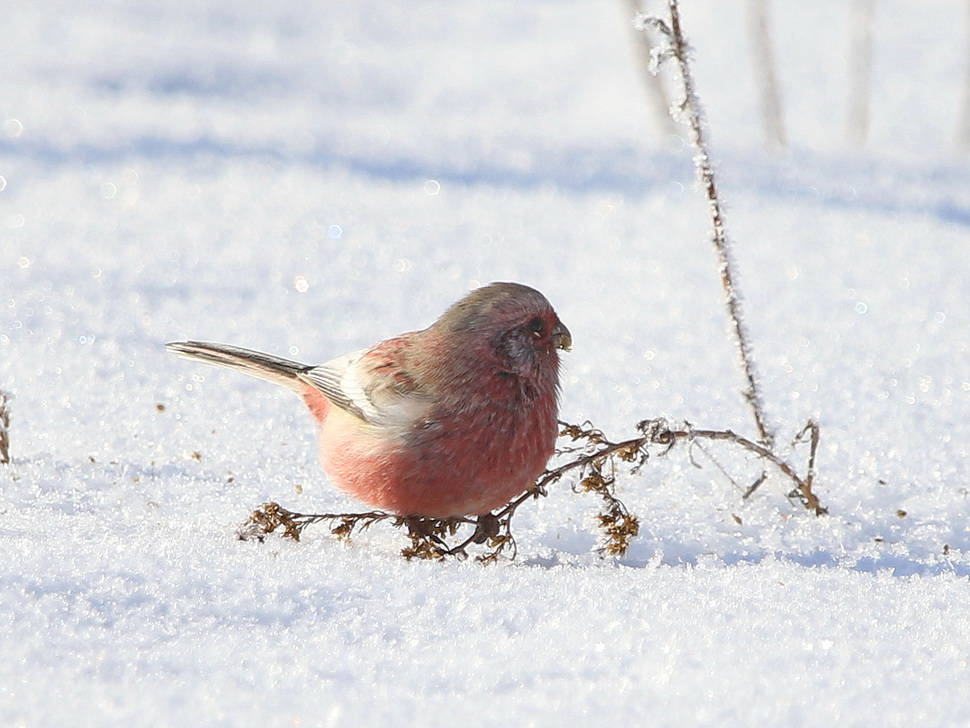
Actually birding in lakes finished before the lunch time. After the lakes we shortly drove by the road in Kapchagai direction where recorded some Rough-legged and Upland Buzzards, Long-tailed Rosefinches, Red-fronted Serins, Horned Larks. Then after sun dispersing the morning mist, we backed to 1st reservoir to lunch, and then moved to Komsomol, to wastwater cleaning constructions, means to the beginnig of channel, where we were very slowly driving all the rest day.
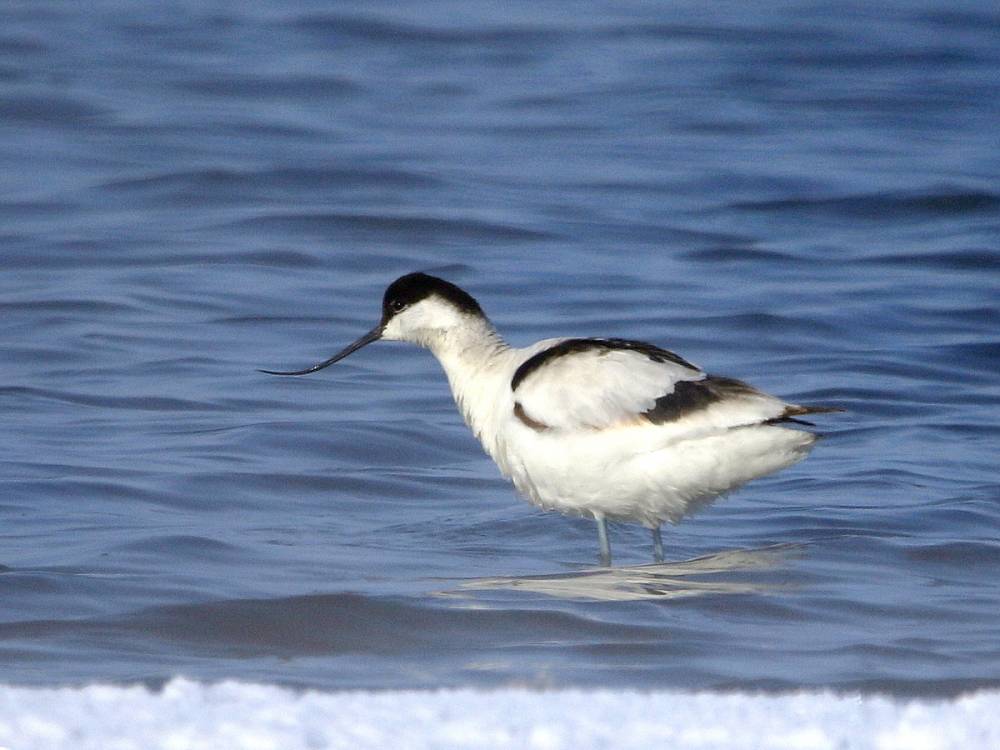
The second half of the shortest day of the year was more effectively than first one. During the lunch I found the Pied Avocet in mist, more correctly I noticed something all-white with some black, the Avocet was a first guess, the second one was Smew. It's a miracle but the Avocet (it was Avocet really) stayed in one point untill our lunch was finished. We approached it and even took photos. This record of Avocet is officially first winter one in Sorbulak, before today three birds were recorded by Oleg Belyalov and Feodor Karpov at November 24, 2006 (actually in winter). The true wintering of Pied Avocets were recorded in Chardara (7 birds at January 14, 2018 by Boris Gubin; and 35 birds at January 11, 2020 by Svetlana Baskakova, George Shakula and me). The found Avocet was foraging in a shalow water, but flew to opposite side of open water when we approached, bird looked healthy. However generally the winter in Sobulak in my opinion is not comfortable habitat for wintering of Avocet, comparing with full open coast of warm Chardara. Excepting the case of moving from the open water to the warm channel where bird really have a chance to live until the spring.
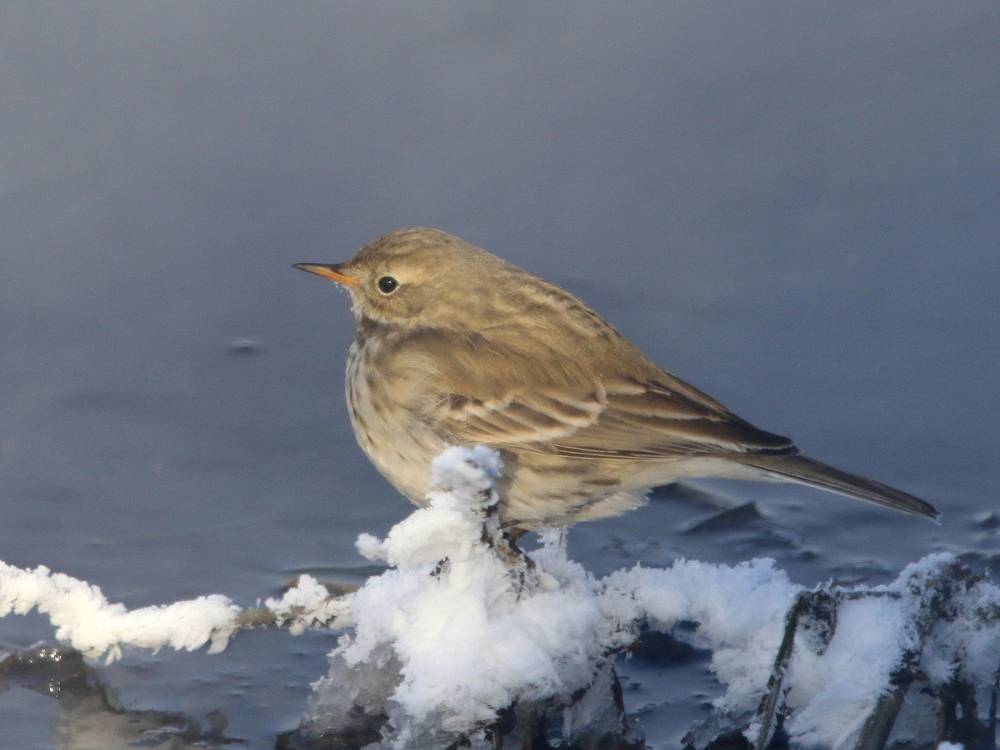
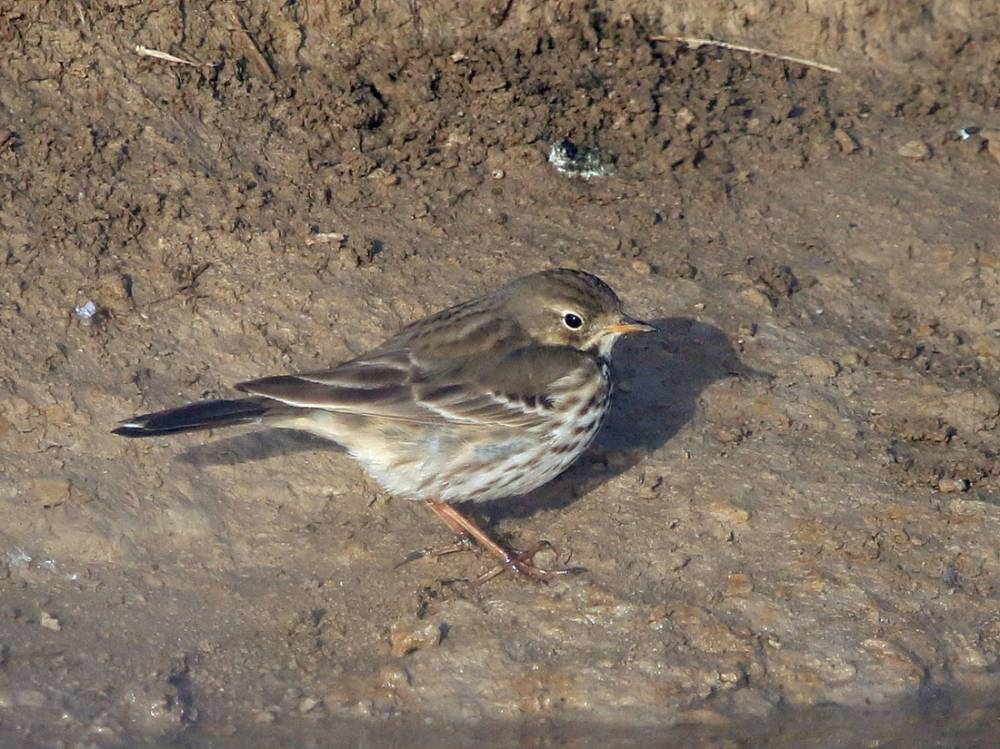
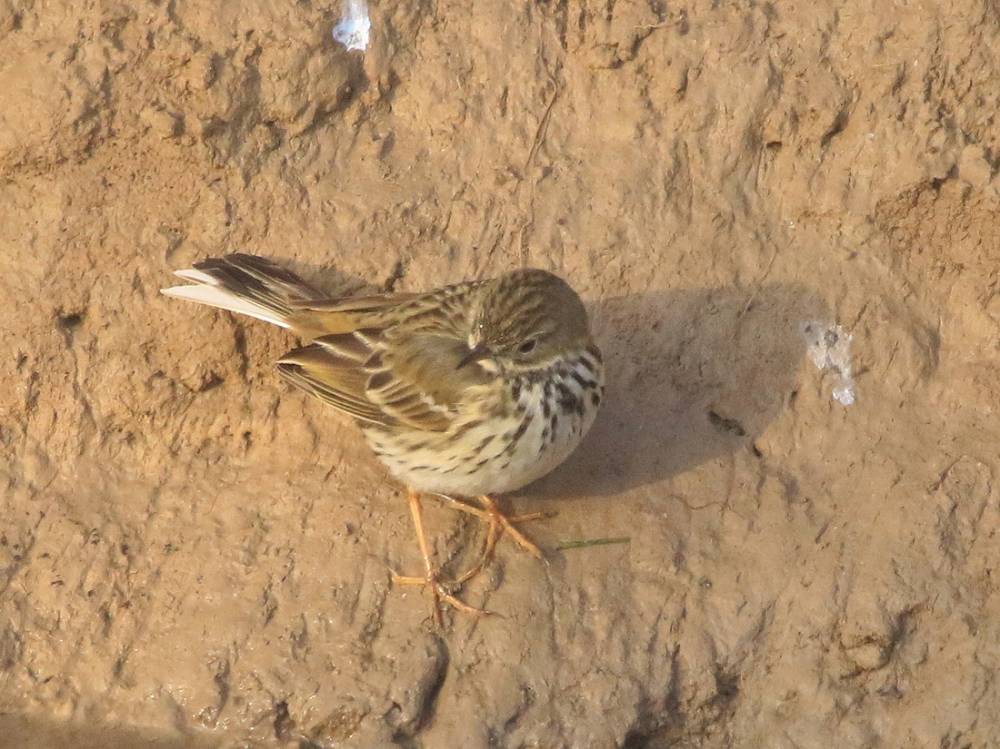
The channel water in Komsomol area is very warm, therefore it is always in heavy mist, it's really difficult to watch birds, but to photograph much more difficult. Finding something we had to wait when wind dispersed the mist, and to hope the bird is in less or more nice posture in that moment. In any case the mist was the main reason of quality of photos, means photos are bad, we need to correct them in editors. As usual there are many Little Grebes in channel (Gena counted more than 50 specimens in one group), the Kingfisher, Buntings (Yellowhammers, Pine, Reed Buntings), Chaffinches, Bramblings, Ducks, Egrets, Heron are present too. The target birds for us are Pipits. Previous winter we found here some Meadow Pipits in addition to numerous Water ones (first one was found by Oleg Belyalov, then some other birders did it too). Today we recorded about fifteen Water Pipits, three Meadow Pipits, and one Buff-bellied Pipit. Latter one was first time reliably recorded in wintering in Kazakhstan. Oleg wrote in comment (here) that Buff-bellied Pipit still was not found in wintering in Kazakhstan, and aslo asked after each our winter visit Sorbulak or Chardara - did you find Buff-bellied Pipit? So today we did it. We many times remembered Oleg, and often our actions were with a looking to him.
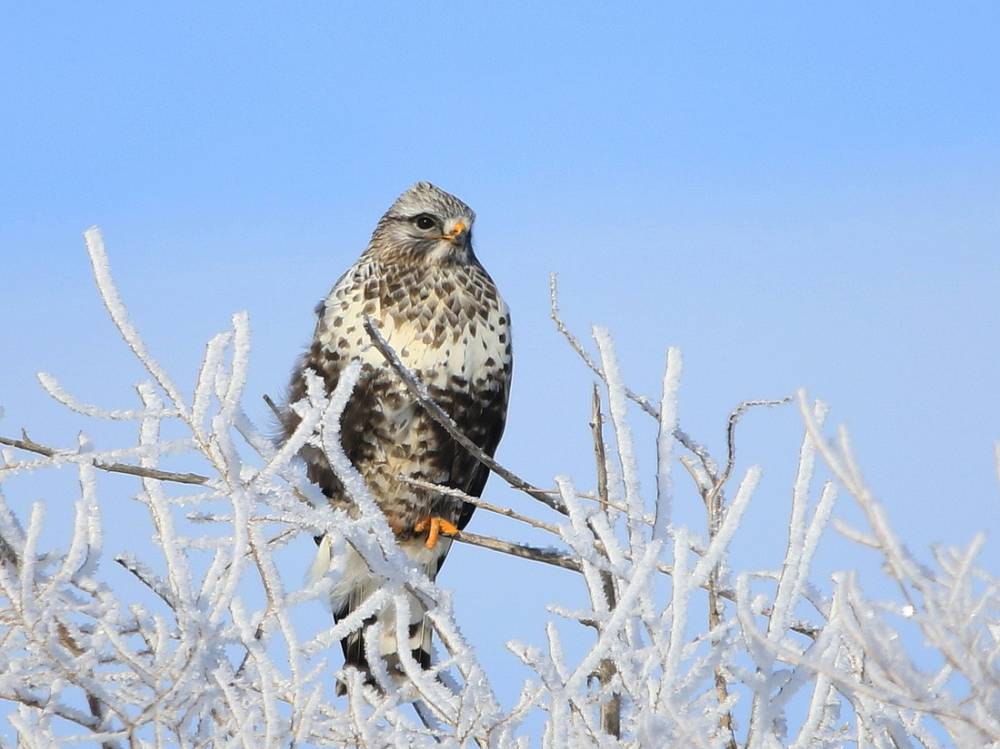
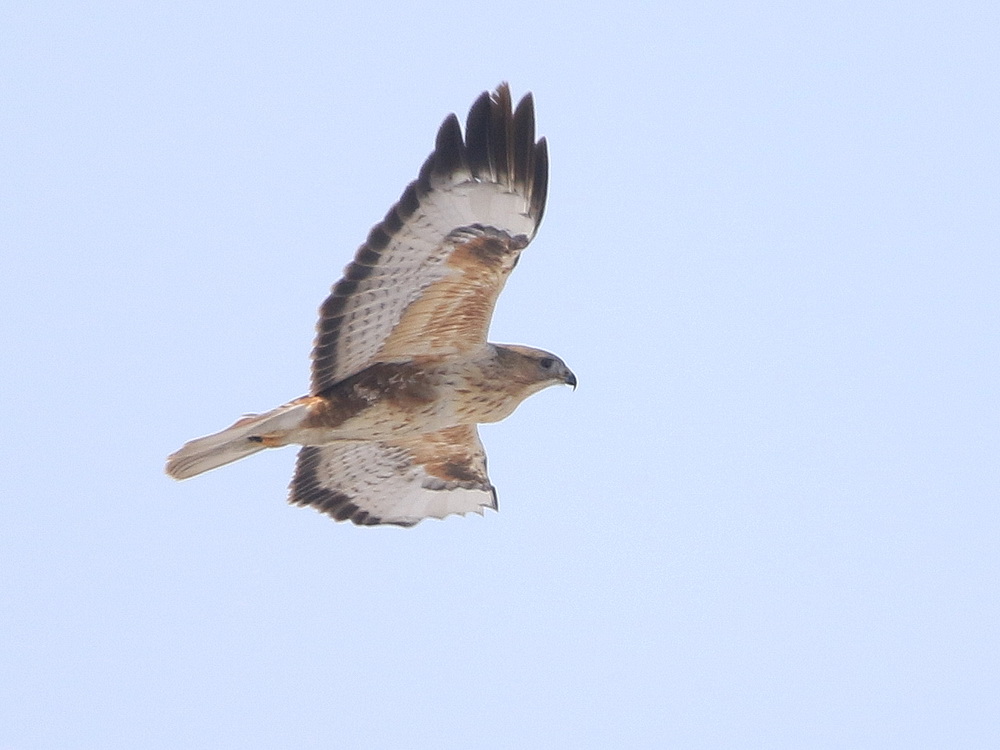
Exactly the top-3 today birds are Buff-bellied Pipit, Pied Avocet, Medow Pipit. But Gennady said the importance of these birds is true, but the Rough-legged Buzzard was really nice. So a little bit about birds of prey. Winter is a time of raptors. Previous winters we visited dumps and watched about one and half hundreds of White-tailed Sea-Eagles. Today this excellent event was not, but anyway today was nice. We saw about ten Sea-Eagles, of Buteo we recorded three Rough-legged Buzzards, four Upland Buzzards, two Eastern Buzzards (of the reddish ones), and also one Merlin, two Kestrels, Sparrowhawk. The Rough-legged Buzzards were specially nice, they perched in poles and trees, moved not far, were staying in air as Kestrels (or as Hummingbird, as Gena said), and nice postured, but from a far distance. Good photos is the imortant part of birding, today it was provided by birds of prey, but as always. This theme was regarded by Gannady's comment.
That's all. The result of the day is three significant records, 51 species in total, quite a good photos. Nice birding, perhaps the last birding of 2020 year. Sorbulak is exellence as always.
1. Great Egret is common wintering bird in unfrosen water of southern Kazakhstan

2. one-thousand flock of Ruddy Shellduck is still in Sorbulak

3. White-tailed Sea-Eagle is most popular raptor of the day

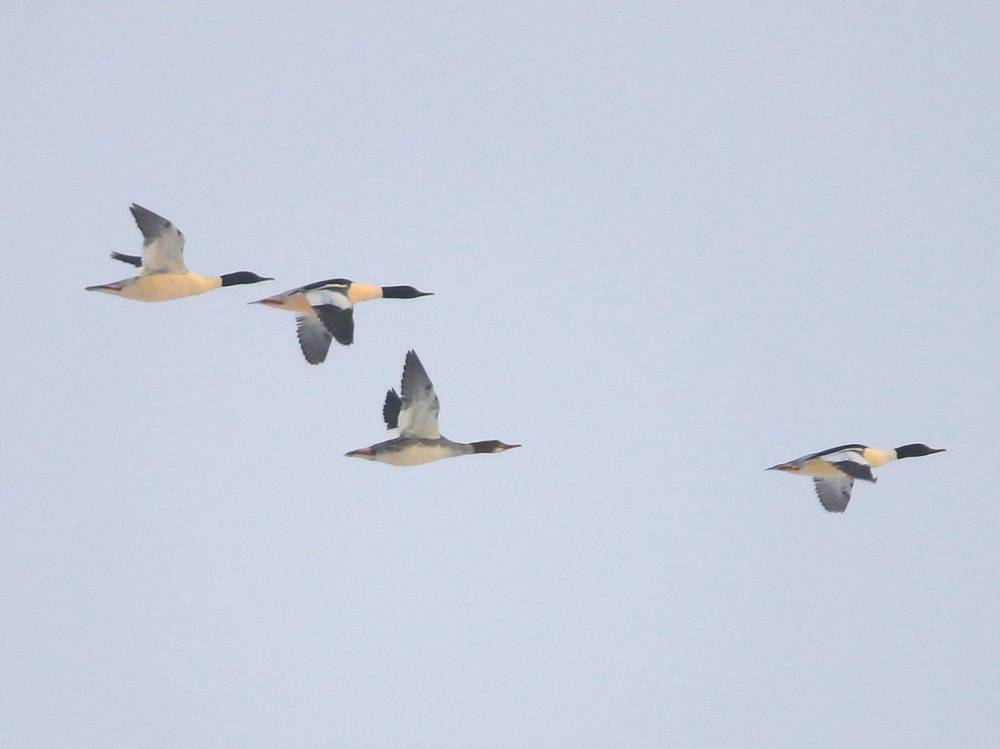
4. Goosanders
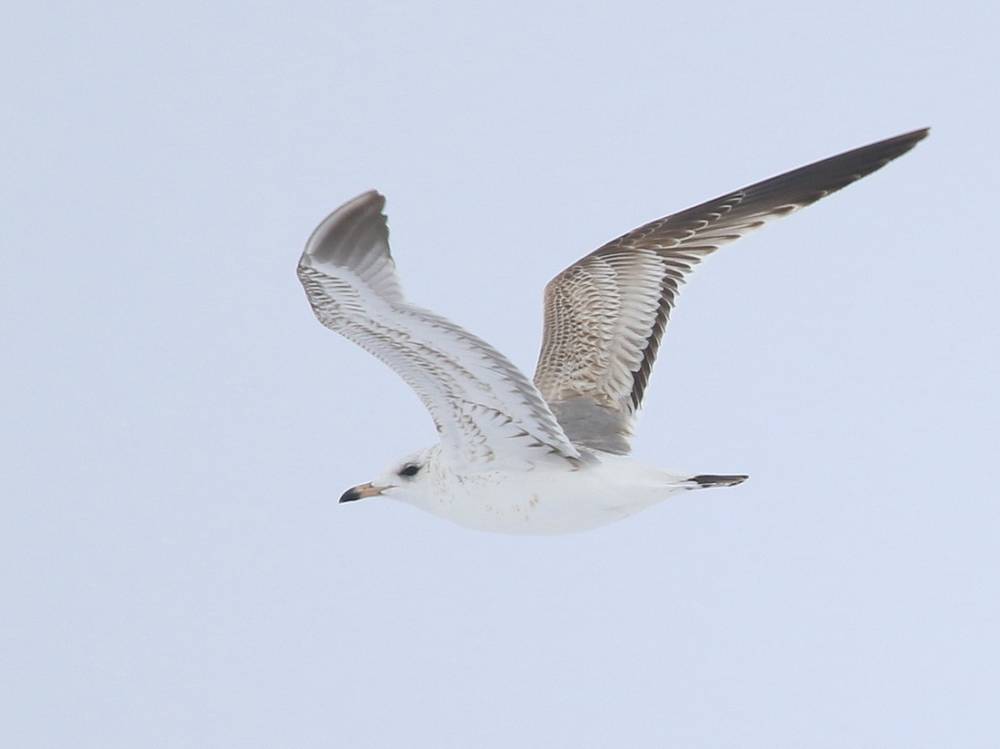
5. Common Gull
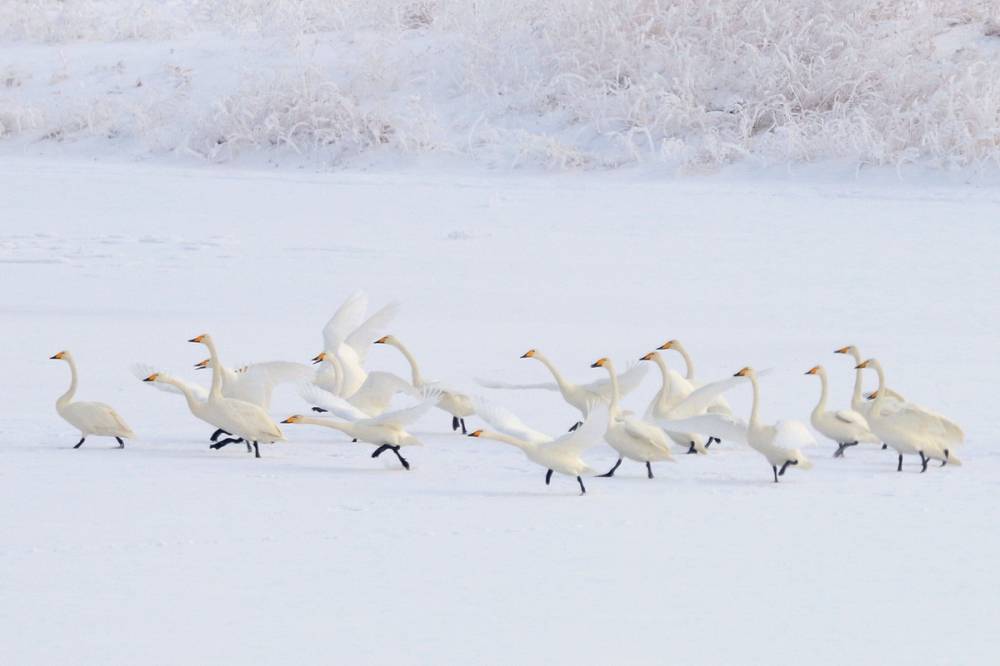
6. Whooper Swans
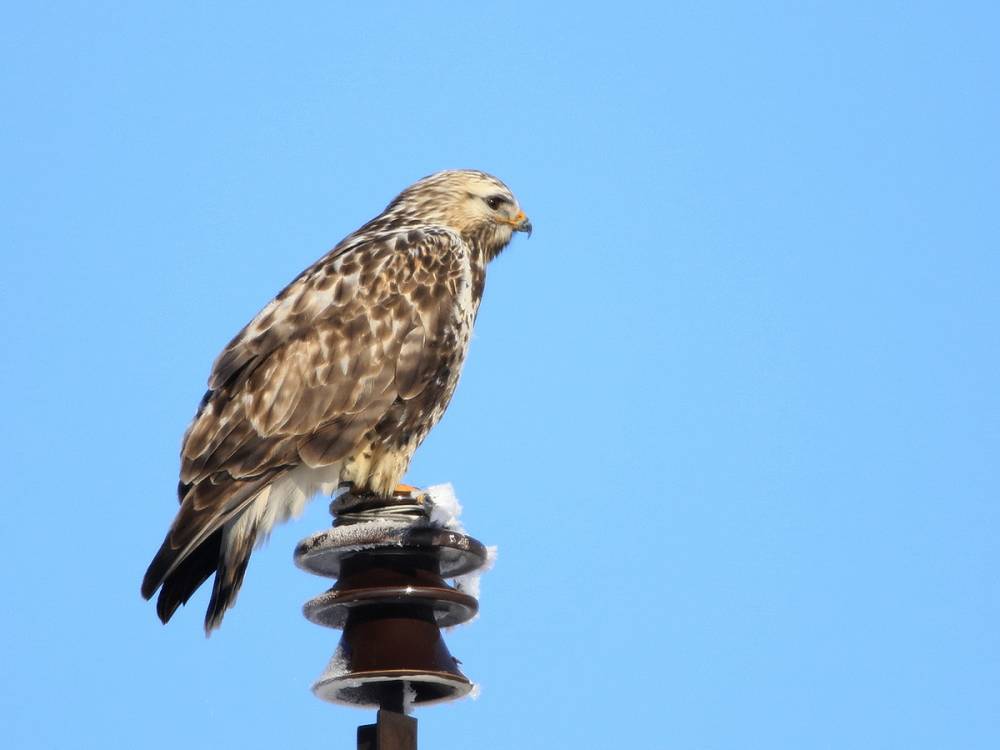
7. Rough-legged Buzzard
8. one more Rough-legged Buzzard
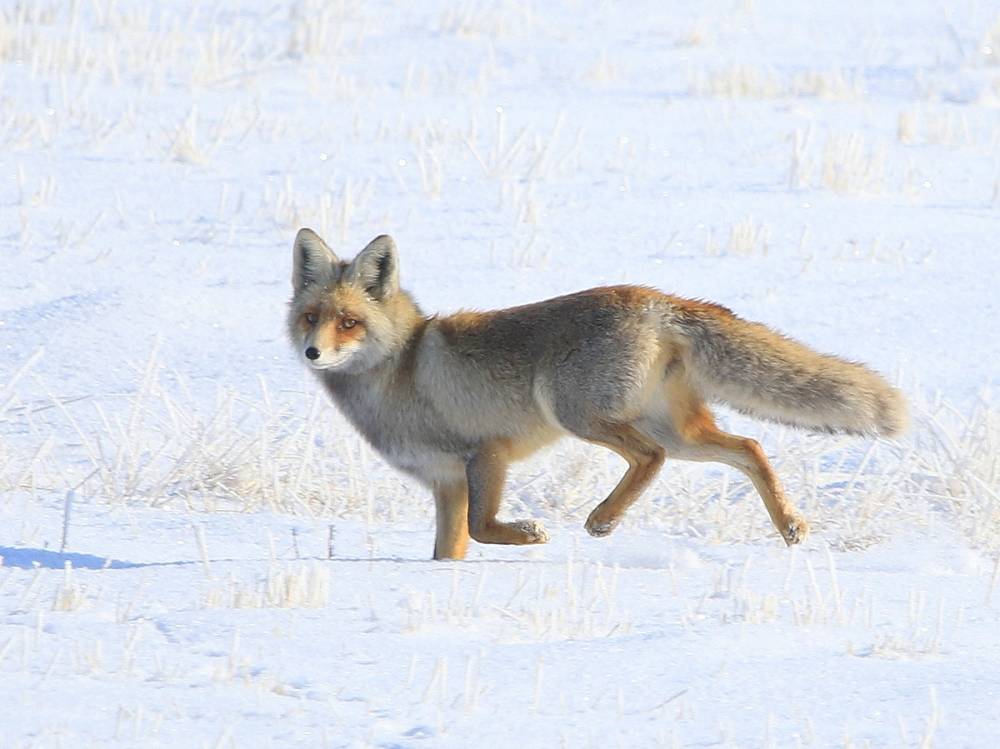
9. Red Fox
10. Long-tailed Rosefinch
11. first winter record of Pied Avocet in Sorbulak
12. Eastern Buzzard
13. Water Pipit is common wintering species in channels of Sorbulak
14. Buff-bellied Pipit, the first winter record in Kazakhstan
15. Meadow Pipit is wintering bird also, we saw 3 specimens
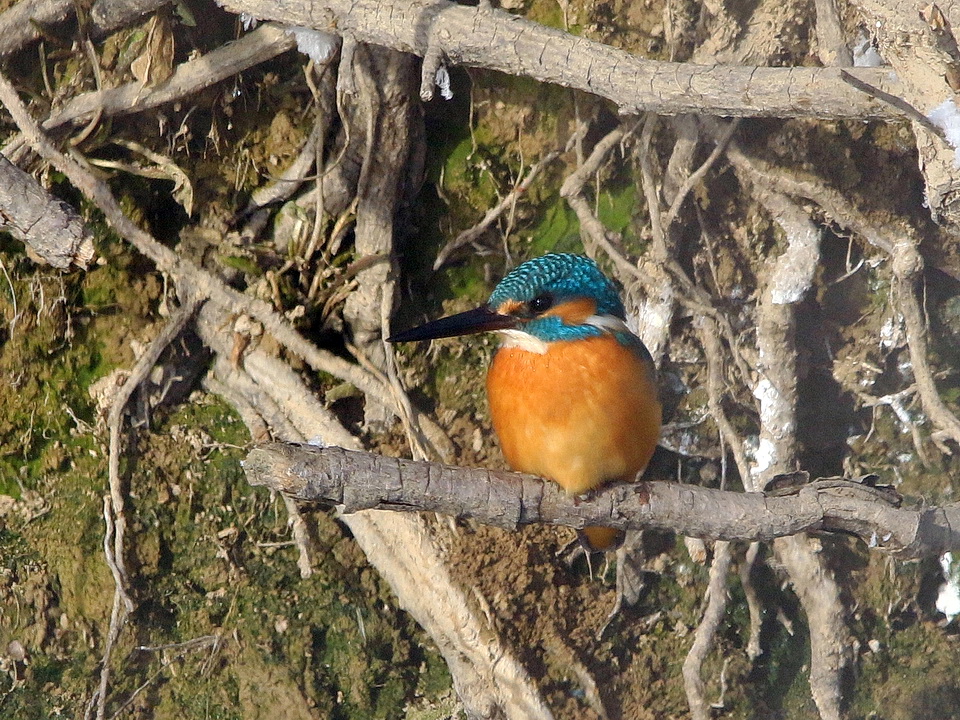
16. Common Kingfisher
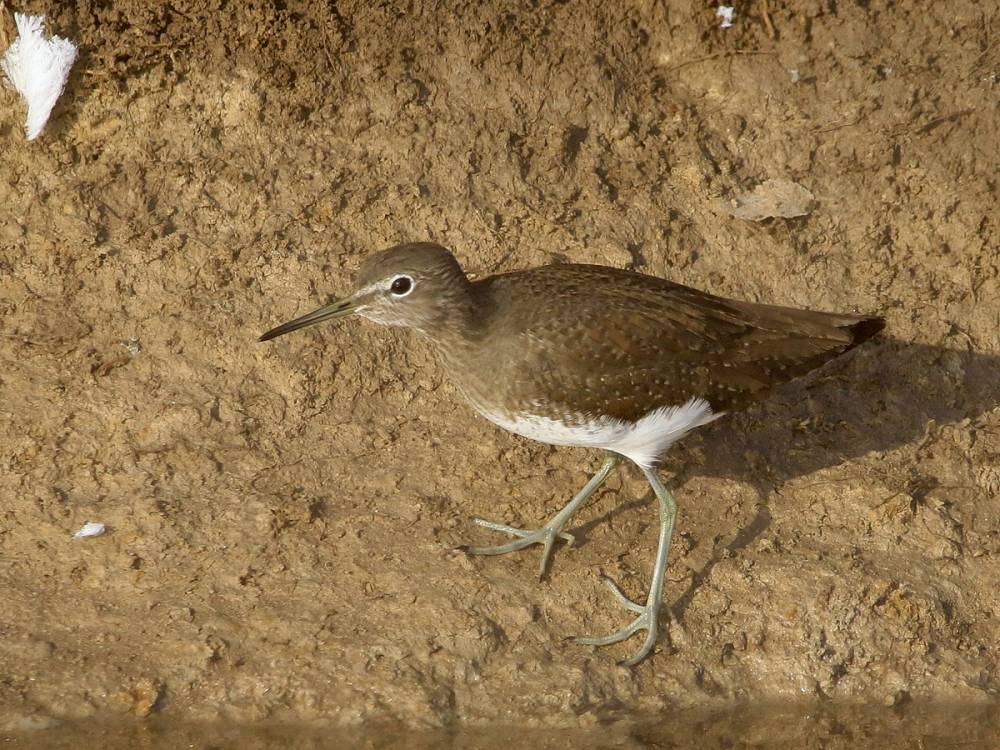
17. Green Sandpiper
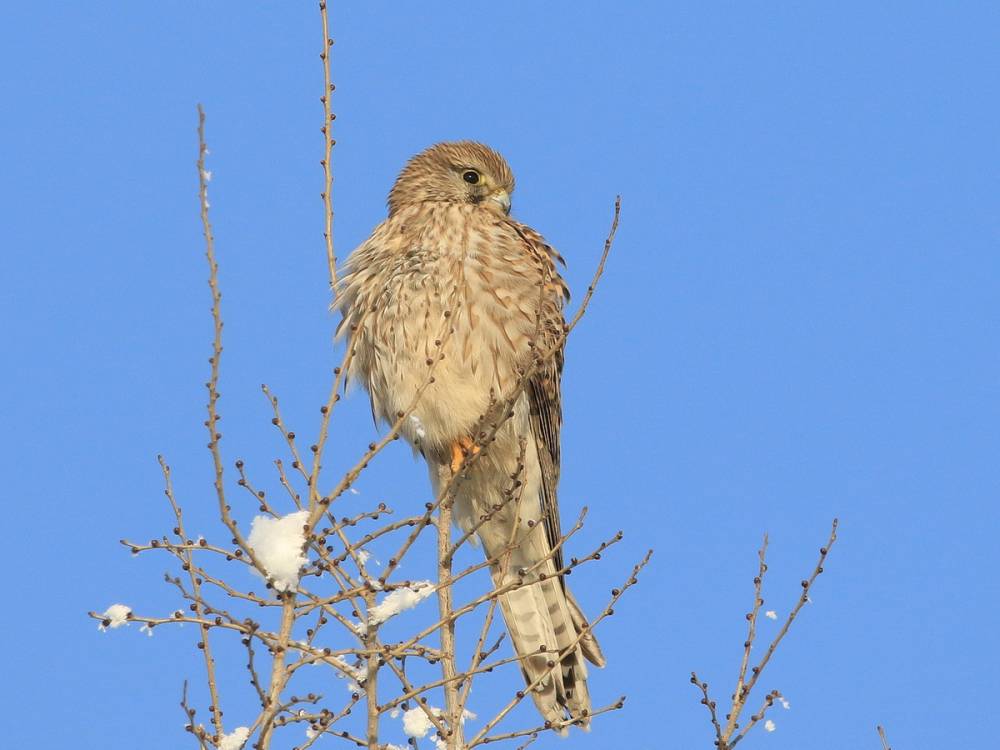
18. Common Kestrel
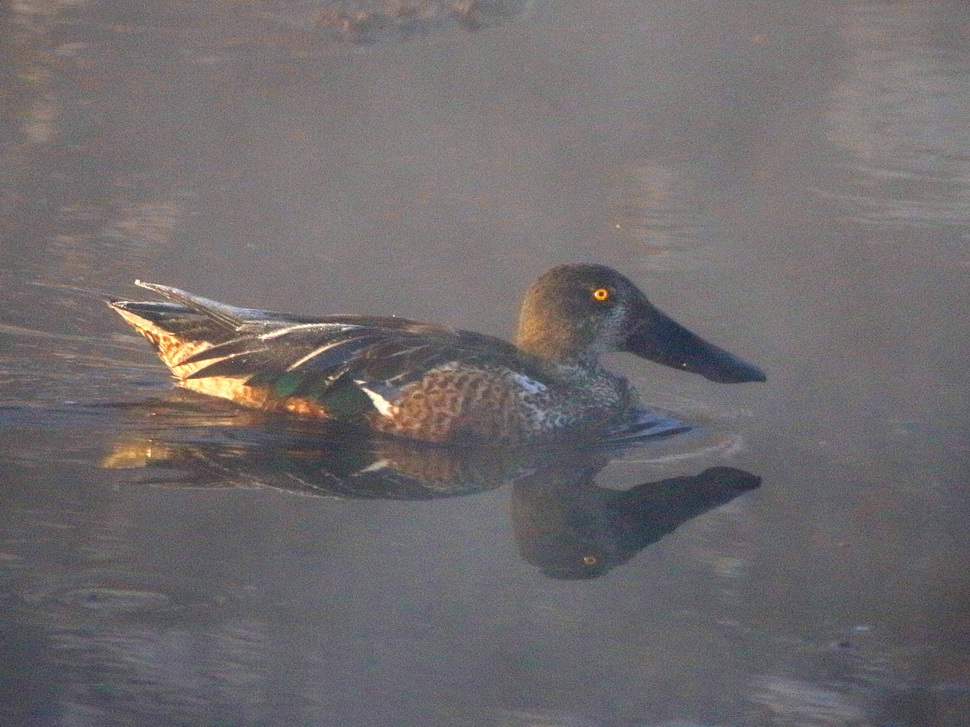
19. Northern Showeller
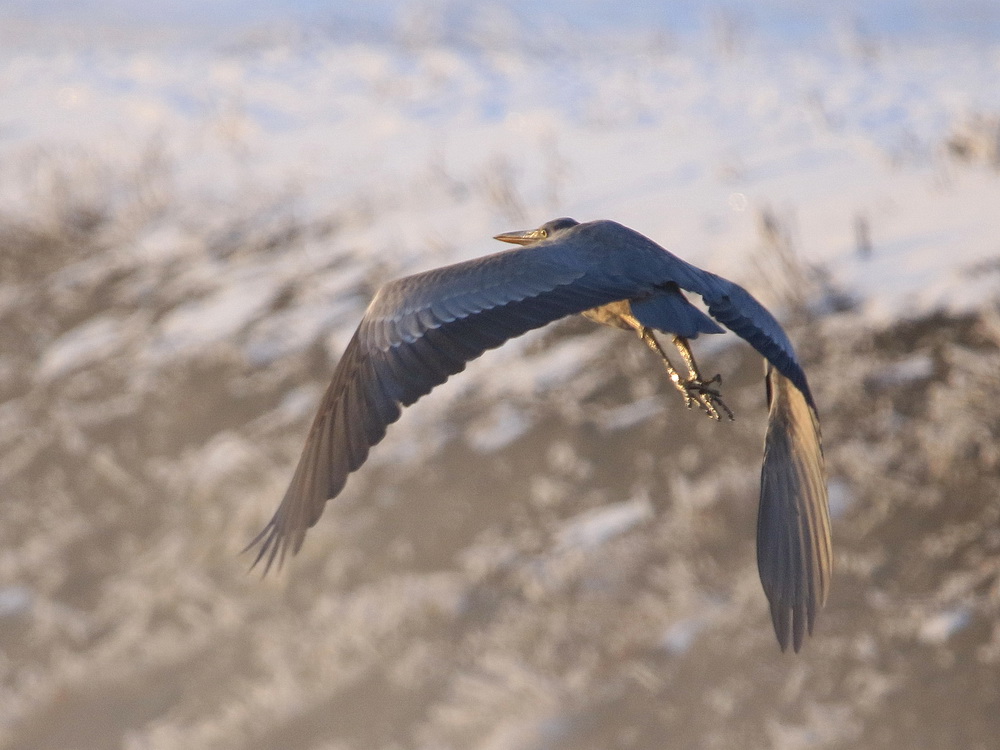
20. Grey Heron
| # | species | number | |
| 1 | Little Grebe (Tachybaptus ruficollis) | 50 | |
| 2 | Great White Egret (Egretta alba) | 2 | |
| 3 | Grey Heron (Ardea cinerea) | 1 | |
| 4 | Mute Swan (Cygnus olor) | 2 | |
| 5 | Whooper Swan (Cygnus cygnus) | 120 | |
| 6 | Ruddy Shelduck (Tadorna ferruginea) | 1000 | |
| 7 | Mallard (Anas platyrhynchos) | 800 | |
| 8 | Gadwall (Anas strepera) | 1 | |
| 9 | Northern Shoveler (Anas clypeata) | 1 | |
| 10 | Common Pochard (Aythya ferina) | 10 | |
| 11 | Tufted Duck (Aythya fuligula) | 50 | |
| 12 | Common Goldeneye (Bucephala clangula) | 30 | |
| 13 | Smew (Mergellus albellus) | 2 | |
| 14 | Goosander (Mergus merganser) | 100 | |
| 15 | Common Sparrowhawk (Accipiter nisus) | 1 | |
| 16 | Rough-legged Buzzard (Buteo lagopus) | 3 | |
| 17 | Upland Buzzard (Buteo hemilasius) | 4 | |
| 18 | Eastern Buzzard (Buteo japonicus) | 3 | |
| 19 | White-tailed Sea-Eagle (Haliaeetus albicilla) | 8 | |
| 20 | Merlin (Falco columbarius) | 1 | |
| 21 | Common Kestrel (Falco tinnunculus) | 2 | |
| 22 | Common Pheasant (Phasianus colchicus) | 1 | |
| 23 | Pied Avocet (Recurvirostra avosetta) | 1 | |
| 24 | Green Sandpiper (Tringa ochropus) | 8 | |
| 25 | Black-headed Gull (Larus ridibundus) | 1 | |
| 26 | Mew Gull (Larus canus) | 1 | |
| 27 | Rock Pigeon (Columba livia) | ||
| 28 | Eurasian Collared Dove (Streptopelia decaocto) | 1 | |
| 29 | Common Kingfisher (Alcedo atthis) | 1 | |
| 30 | Crested Lark (Galerida cristata) | 5 | |
| 31 | Horned Lark (Eremophila alpestris) | 3 | |
| 32 | Masked Wagtail (Motacilla personata) | 1 | |
| 33 | Meadow Pipit (Anthus pratensis) | 3 | |
| 34 | Buff-bellied Pipit (Anthus rubescens) | 1 | |
| 35 | Water Pipit (Anthus spinoletta) | 15 | |
| 36 | Common Mynah (Acridotheres tristis) | ||
| 37 | Eurasian Magpie (Pica pica) | ||
| 38 | Eurasian Jackdaw (Corvus monedula) | ||
| 39 | Rook (Corvus frugilegus) | ||
| 40 | Carrion Crow (Corvus corone) | ||
| 41 | Hooded Crow (Corvus cornix) | ||
| 42 | Great Tit (Parus major) | 2 | |
| 43 | Tree Sparrow (Passer montanus) | ||
| 44 | Common Chaffinch (Fringilla coelebs) | 30 | |
| 45 | Brambling (Fringilla montifringilla) | 40 | |
| 46 | Red-fronted Serin (Serinus pusillus) | 10 | |
| 47 | Long-tailed Rosefinch (Uragus sibiricus) | 20 | |
| 48 | Corn Bunting (Emberiza calandra) | 40 | |
| 49 | Yellowhammer (Emberiza citrinella) | 15 | |
| 50 | Pine Bunting (Emberiza leucocephala) | 10 | |
| 51 | Northern Reed Bunting (Emberiza schoeniclus) | 5 | |
Красота! Хоть и морозы у вас, а все же юг.
Здесь опечатка, и не понятно, о каком количестве птиц сказано: "да этого трех птиц Олег Белялов и Федор Карпов видели 2 шилоклювок"
2020-12-24. Аскар Исабеков:
Спасибо, Сергей, опечатку исправил. Что до морозов, то у нас только эта да прошлая зимы стабильно с минусовой температурой (и то небольшой), а несколько лет до этого даже катки не заливали, так тепло было. Но все-таки у нас и снег есть, и большинство водоемов замерзает, а вот от Шымкента и дальше на юг, уже стабильно плюс всю зиму.
2020-12-24. Фаттахова Ольга:
Да, как всегда, Сорбулаку "5", многие наши птицы теперь там греются. Здорово, Аскар! Все же снимать зимой целый день холодно, даже у вас
2020-12-24. Аскар Исабеков:
При обсуждении куда ехать Гена называл Сорбулак беспроигрышным вариантом, здесь всегда будет что-нибудь интересное, поэтому и настрой всегда позитивный, мы все время в ожидании какой-нибудь редкости. Ольга, после прочтения Вашей фразы "Все же снимать зимой целый день холодно", я вспомнил как читал Ваши посты про наблюдения клестов и щуров из палатки при температуре где-то около -30, если мне не изменяет память. И Вы ведь по нескольку часов в ней находились. Вот тогда я подумал - ничего себе! А у нас-то в основном из машины, в эту поездку даже обедали в машине. Так что не сильно замерзаем.
2020-12-24. Фаттахова Ольга:
Спасибо, Аскар, что помните мои дневники. Я тогда была в азарте, потому что щуры к нам не прилетают обычно. А комфорт у фотоохотника всегда в дефиците, у вас ведь почти всегда ветер в какой-то степени.
calendar
2026
| jan | feb | mar | apr |
| may | jun | jul | aug |
| sep | oct | nov | dec |
| jan | feb | mar | apr |
| may | jun | jul | aug |
| sep | oct | nov | dec |
| jan | feb | mar | apr |
| may | jun | jul | aug |
| sep | oct | nov | dec |
| jan | feb | mar | apr |
| may | jun | jul | aug |
| sep | oct | nov | dec |
| jan | feb | mar | apr |
| may | jun | jul | aug |
| sep | oct | nov | dec |
| jan | feb | mar | apr |
| may | jun | jul | aug |
| sep | oct | nov | dec |
| jan | feb | mar | apr |
| may | jun | jul | aug |
| sep | oct | nov | dec |
| jan | feb | mar | apr |
| may | jun | jul | aug |
| sep | oct | nov | dec |
| jan | feb | mar | apr |
| may | jun | jul | aug |
| sep | oct | nov | dec |
| jan | feb | mar | apr |
| may | jun | jul | aug |
| sep | oct | nov | dec |
| jan | feb | mar | apr |
| may | jun | jul | aug |
| sep | oct | nov | dec |
| jan | feb | mar | apr |
| may | jun | jul | aug |
| sep | oct | nov | dec |
| jan | feb | mar | apr |
| may | jun | jul | aug |
| sep | oct | nov | dec |
| jan | feb | mar | apr |
| may | jun | jul | aug |
| sep | oct | nov | dec |
| jan | feb | mar | apr |
| may | jun | jul | aug |
| sep | oct | nov | dec |
| jan | feb | mar | apr |
| may | jun | jul | aug |
| sep | oct | nov | dec |
| jan | feb | mar | apr |
| may | jun | jul | aug |
| sep | oct | nov | dec |
| jan | feb | mar | apr |
| may | jun | jul | aug |
| sep | oct | nov | dec |
| jan | feb | mar | apr |
| may | jun | jul | aug |
| sep | oct | nov | dec |
| jan | feb | mar | apr |
| may | jun | jul | aug |
| sep | oct | nov | dec |
| jan | feb | mar | apr |
| may | jun | jul | aug |
| sep | oct | nov | dec |
| jan | feb | mar | apr |
| may | jun | jul | aug |
| sep | oct | nov | dec |
rare birds records
Squacco Heron (Ardeola ralloides)
© Andrey Kovalenko
2026-06-06
Almaty area, Sorbulak.
Great Snipe (Gallinago media)
© Vasilii Bastaev
2026-05-08
Karakol lake, Mangystau
Great Snipe (Gallinago media)
© Qanatbek Kenzhegulov
2026-04-14
Aktau, Mangystau region
Northern Wren (Troglodytes troglodytes)
© Alexandr Fedulin
2026-03-30
Big Year 2026
2. Aizhan Baitimbet (270)
3. Galym Baitimbet (267)
4. Zhaskairat Ermek (260)
5. Nikita Kanunnikov (228)
6. Gennadiy Dyakin (219)
7. Vladimir Muravskiy (219)
8. Andrey Kovalenko (196)
9. Sirimbet Zharilkasin (196)
10. Viktoriya Zvyaginceva (182)
unidentified birds
Жаскайрат Ермек: Садовая славка?
Руслан Абутрапов: Спасибо!
Анна Ясько: Чайконосая крачка.