
pictures
blog posts
search
classification:
Gaviiformes
Podicipediformes
Pelecaniformes
Ciconiiformes
Phoenicopteriformes
Anseriformes
Falconiformes
Galliformes
Gruiformes
Charadriiformes
Pterocletiformes
Columbiformes
Cuculiformes
Strigiformes
Caprimulgiformes
Apodiformes
Coraciiformes
Upupiformes
Piciformes
Passeriformes
Second birding of the year. Sorbulak.
2021-01-02| Askar Isabekov
Trip to Sorbulak with Alexander Katuntsev. We almost repeated the route of December 22 with Gennady Dyakin. But the weather today was much better than ten days ago, sunny all day, almost windless and mistless, cold (-12C) was not feel us.
In the Big Sorbulak the open water was decreased more, so now possible to watch birds much better the in previous visit. Ruddy Shelducks are all desappeared (excluding one pair), now the majority of ducks is formed by Mallards. The latter one reacted to our approaching by the massive moving from one side of open water to another one, several hundreds of Mallards even flew to ice if a distance about 300 meters. Diving Duckas and Swans were more calmer, most of them didn't pay attention to us. Of course we attempted to find Long-tailed Duck, but unseccessfully, though mist was a bit and almost all of ducks were visible. We moved by ice in water direction and, for a while, closed one to another, but immediately scattered when heard the ice cracking. The concetration of 200 kg in one point of Sorbulak ice melting below by the warm water is really dengerous. Alexander remembered as at 2014 Victoria Kovshar whole failed under the ice in Karakol lake (analog of Sorbulak in Mangistau). The oppotunity of approaching to ducks by ice is good, but all times you should to remember about a danger.
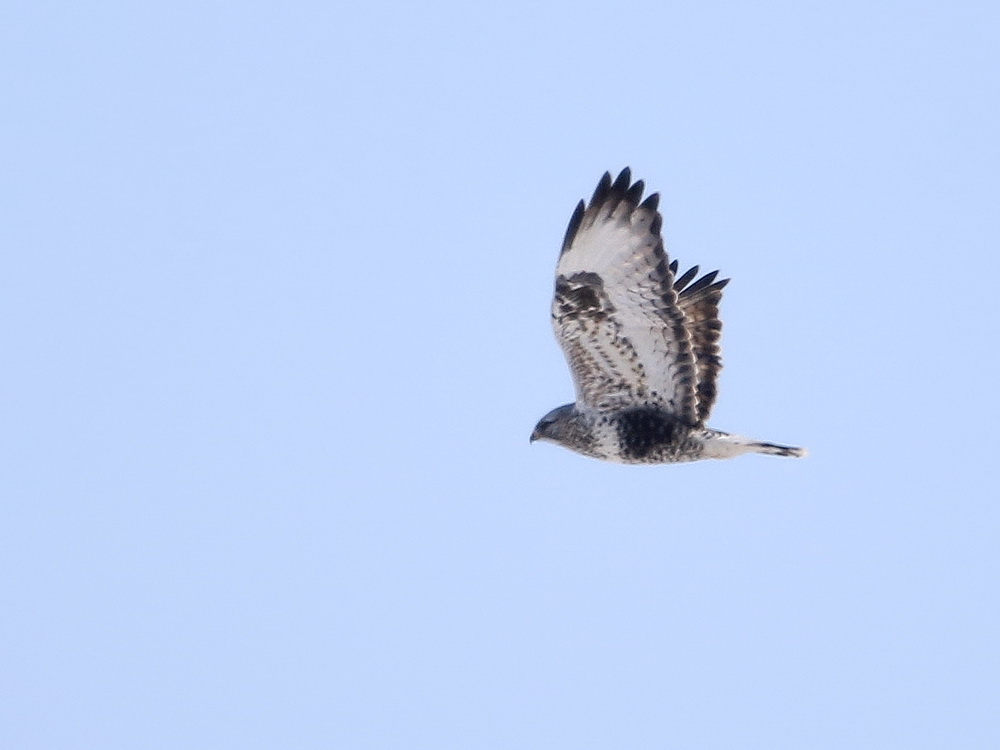
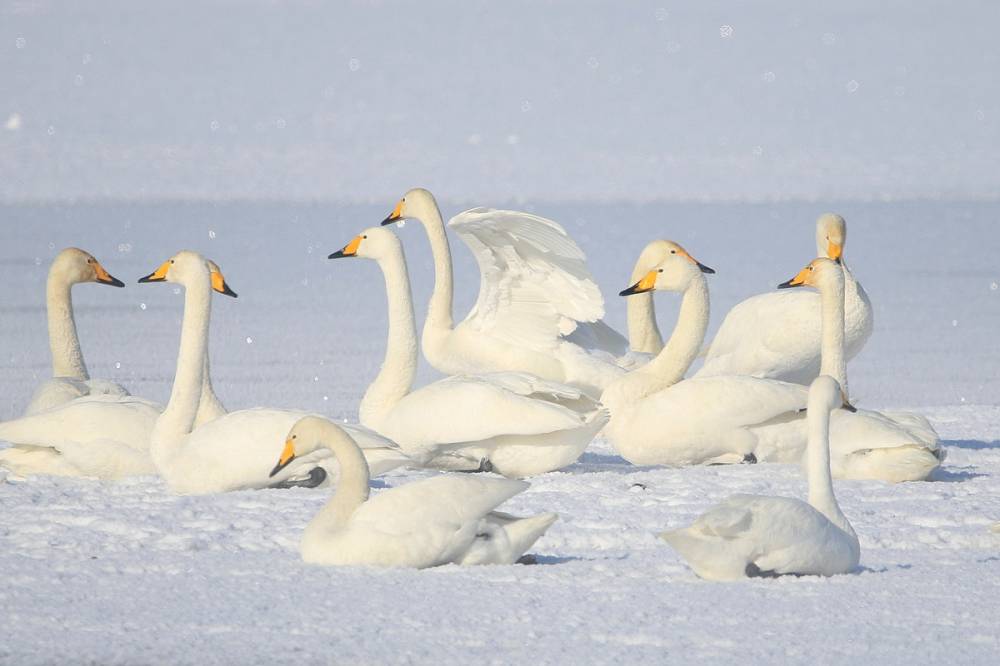
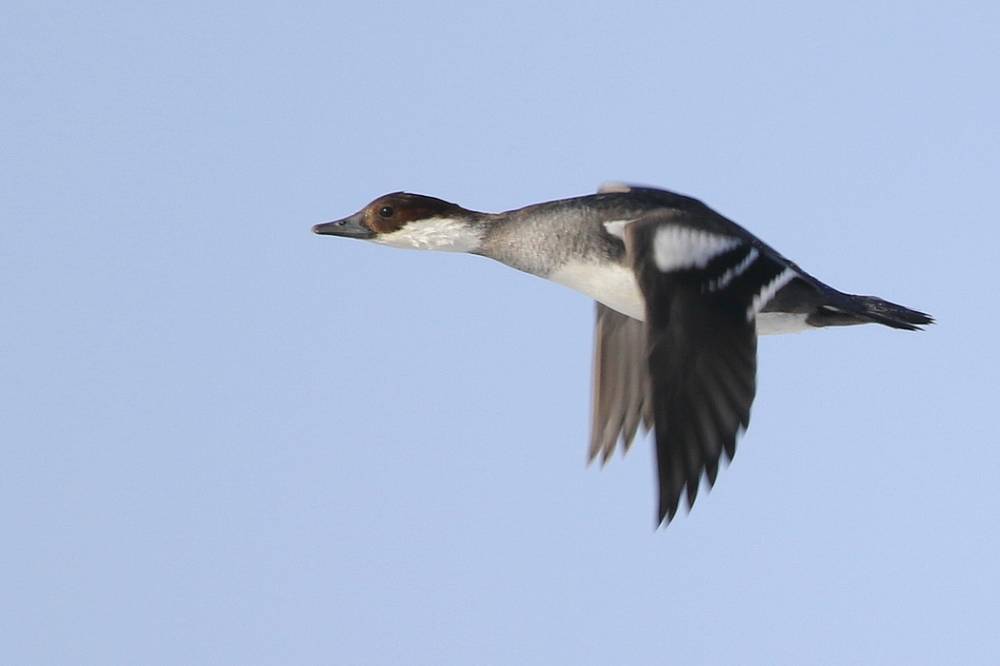
Due the short winter day time, we quickly moved in direction of Little Sorbulak where turned by asphalt to north for the Rough-legged Buzzards which were found in a short time. After taking photos of Buzzards (just from a far) we back to water. The open water of the first reservoir is just a spot of a lenght about 100 meters and wide of two times less. There are mostly Swans (both Whooper and Mute in equal number) and Smews, plus one Mallard and two Tufted Ducks. Took a lunch. While taking a lunch, in a full silence we heard strange loud gurgling. I guess the moving of air under the ice. We didn't have plan to walk on ice but after that sounds I cleared this idea from my head. After a short lunch we quickly drove to lake of second reservoir where only band along the water stream (means along the channel) was free of ice. Swans were in more number than in first reservoir, but nothing more in addition to them. Driving to forest belt we understood that all other lakes are frosen, and besides the day was into the second half, so we drive to the channel, the most harvest habitat of season.
I guessed birds should to be in a channel not only in its beginnig in Komsomol, but in all other parts too, because channel is everywhere open of ice. Therefore we some time observed channel between its first and second crossings od road. But we found nothing excluding many Mallards (I guessed Pied Avocet could to move from lake to warm water channel). But we wasted a bit of time for drawing far-reaching conclusions. Driving to Komsomol, in Karaoi village (former Ilisky) we noticed quite a large group of differnt-aged White-tailed Sea-Eagles, in total about ten birds. Raptors hovered lowly, one Steppe Eagle was in flock. Steppe Eagle is rare in winter time, but Sea-Eagles is normal. Concetration of birds of prey may to indicate to presence of dump nearby. We counted the number of species of raptors, it turns out nine ones. Possible to name today as a Day of Raptors, if it wasn't channel.
As soon as we turned to channel in Komsomol as the Water and Meadow Pipits and Masked Wagtail appeared. Further we drove slowly looking to opposite side where every two tens meters the someone was before our eyes. We didn't find Buff-bellied Pipit, but Water and Meadow Pipit were almost in equal number. We saw almost all of birds as in trip of December 22, excluding Kingfisher and Buff-bellied Pipit. But we had one very significant record. We were driving and looking to water line when Alexander noticed two Pygmy Cormorants staing directly opposite us. I remembered the first winter record of Pygmy Cormorant in Sorbulak was of me and Alexander in one day (further I checked it, at February 11, 2018 both of us took photo). We clicked several tens photos of Pygmy Cormorants, that moment the car with hunters obertook us (they regularly drove back and forth by us) and flushed out a lot of birds, mostly Mallards, and one Great White Egret and Pygmy Cormorants too. I saw ten Cormorants in one group in one time, but further moving we watched more Cormorants resting in trees and ground, so they were at least twenty specimens I thing. Our records of winter 2017-2018 were regarded the single bird, therefore that bird was mentioned as just 'winter record', but the observation of 20 birds looked more likely as the wintering, which can to become regular in future. It's convinient place for birds, the warm water, a lot of fish, and the tall trees. But of course we should to check this spot at least two times in the rest of winter, because in our previous visit (December 22) we didn't note Pygmy Cormorants here.
Birds of the day: Pygmy Cormorant, Steppe Eagle, Meadow Pipit.
1. Pygmy Cormorant

2. adult White-tailed Sea-Eagle

3. Altai Buzzard (vulpinus x japonicus)

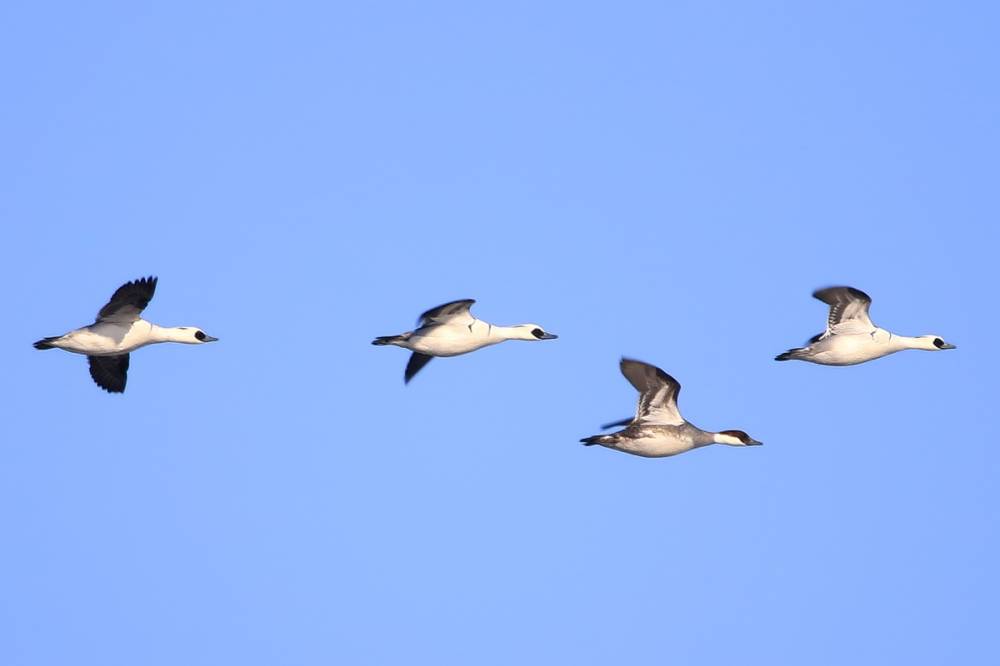
4. Smews
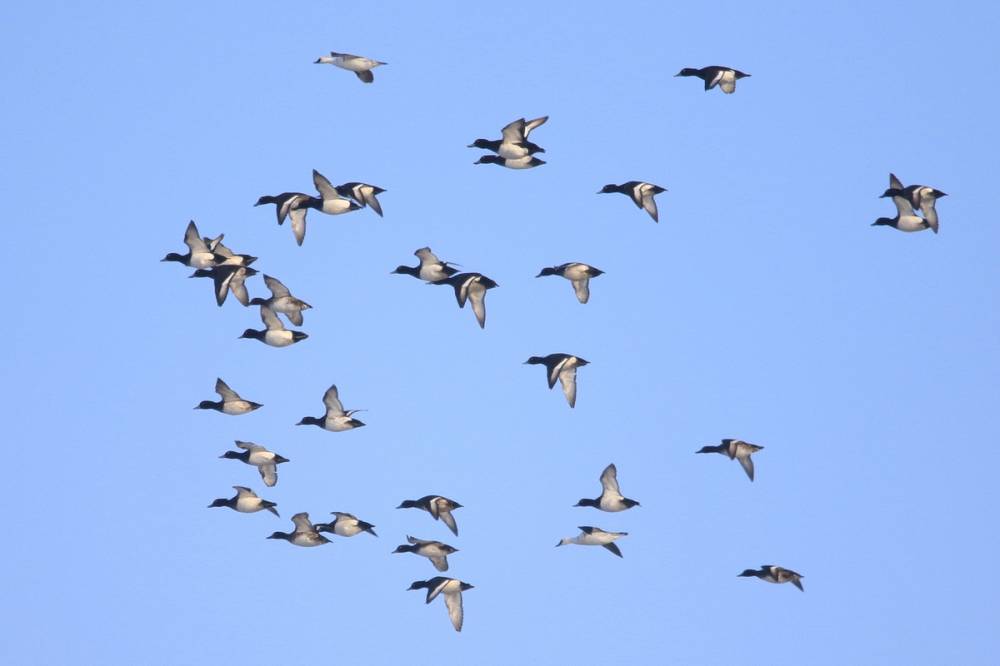
5. Tufted Ducks
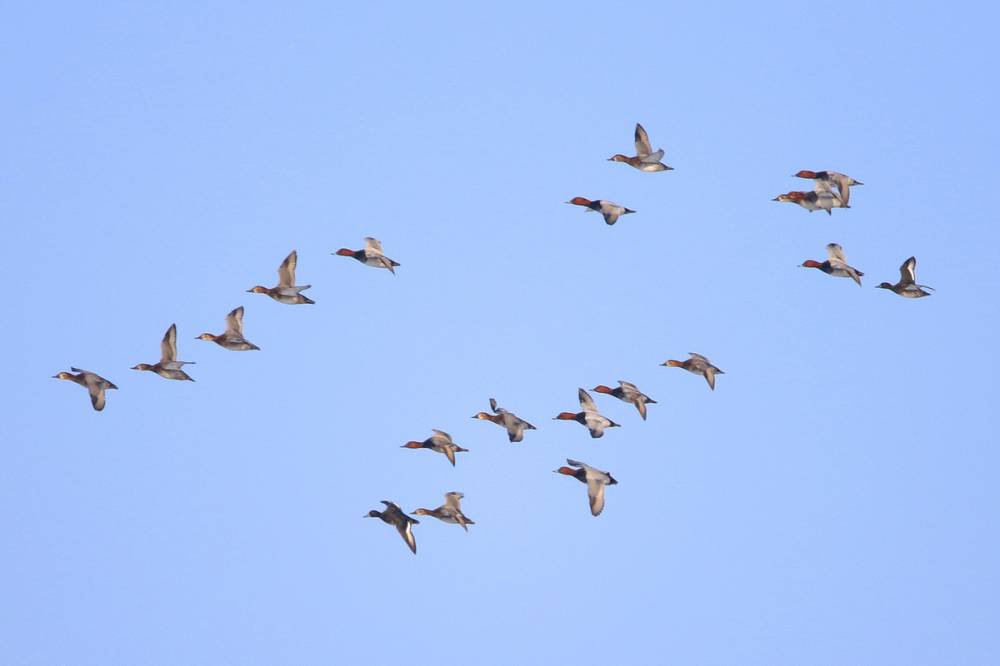
6. Common Pochards
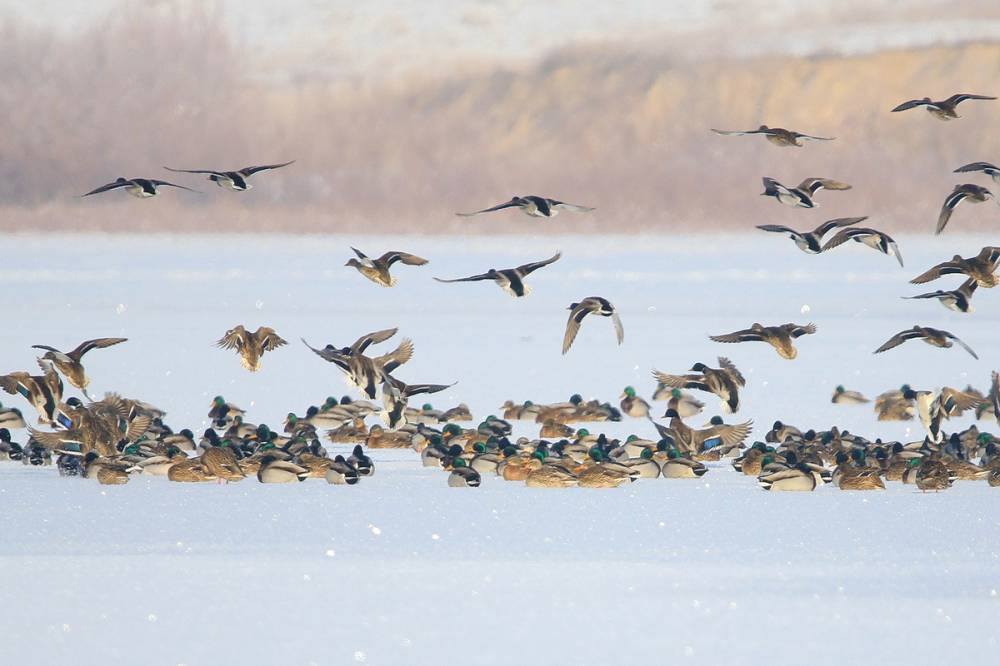
7. Mallards
8. Common Kestrel
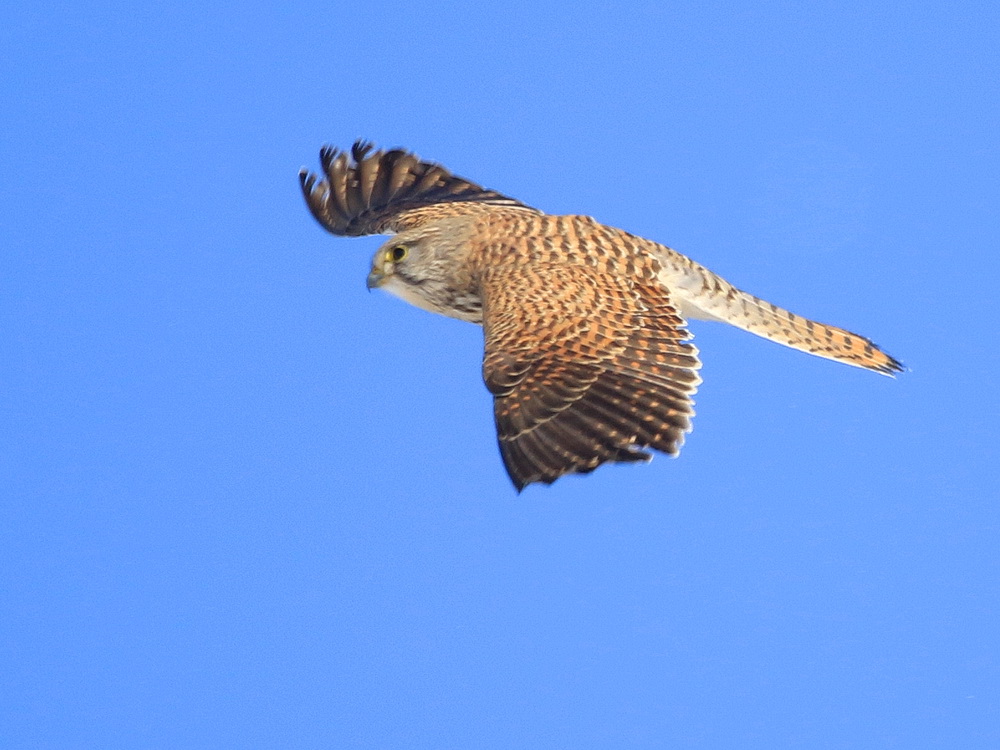
9. Rough-legged Buzzard
10. Whooper Swans
11. female Smew
12. White-tailed Sea Eagle (4-5 cy)
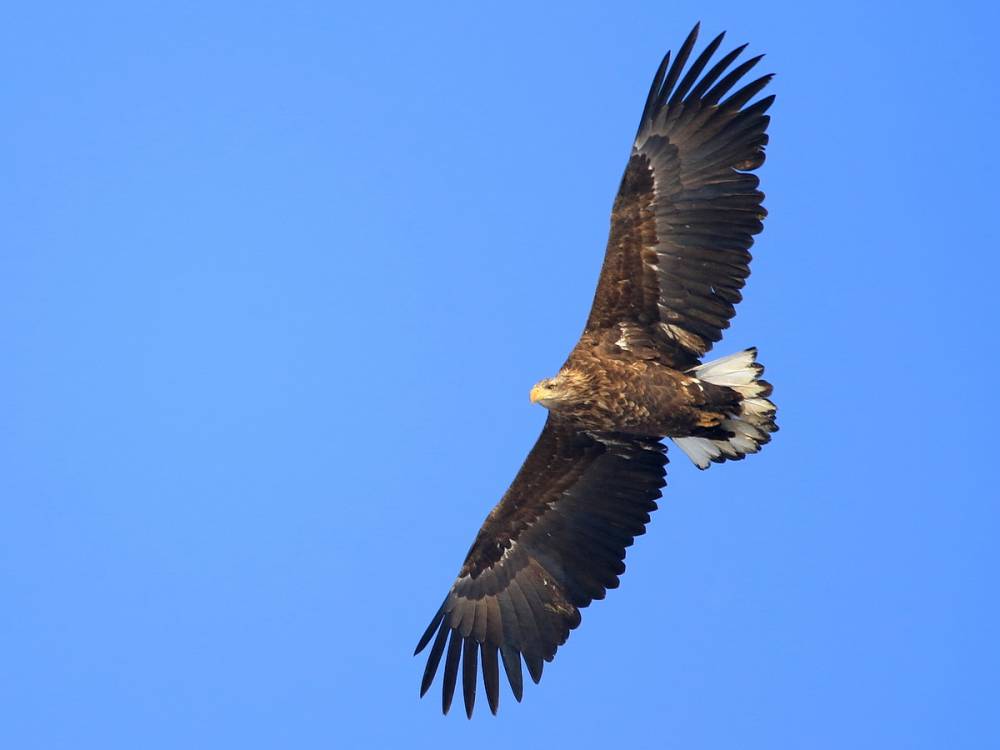
13. Steppe Eagle
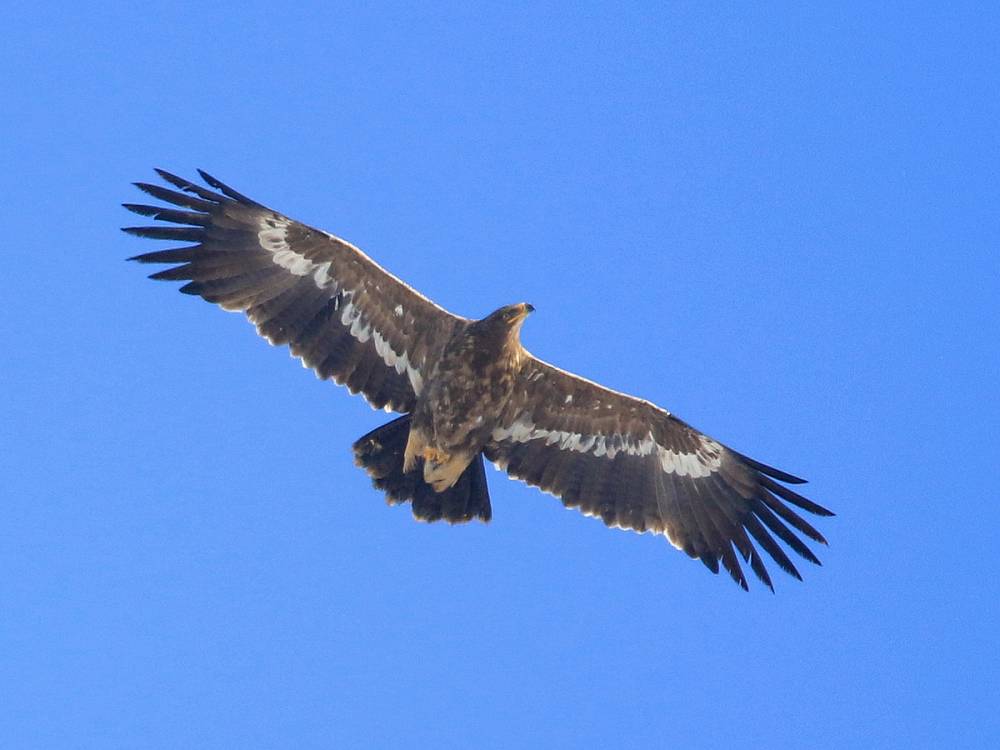
14. Masked Wagtail
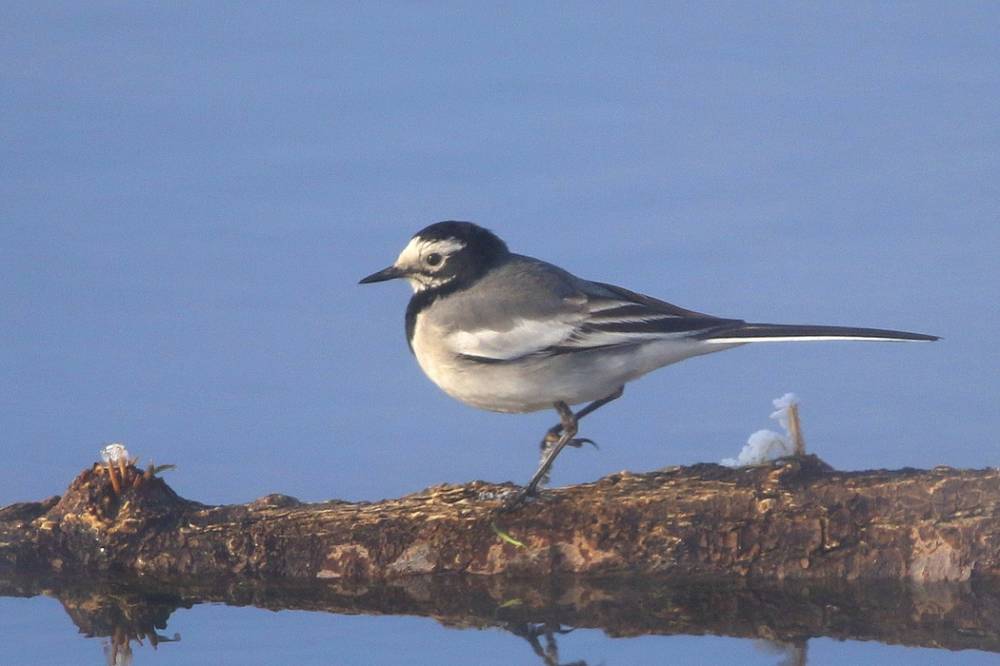
15. Water Pipit
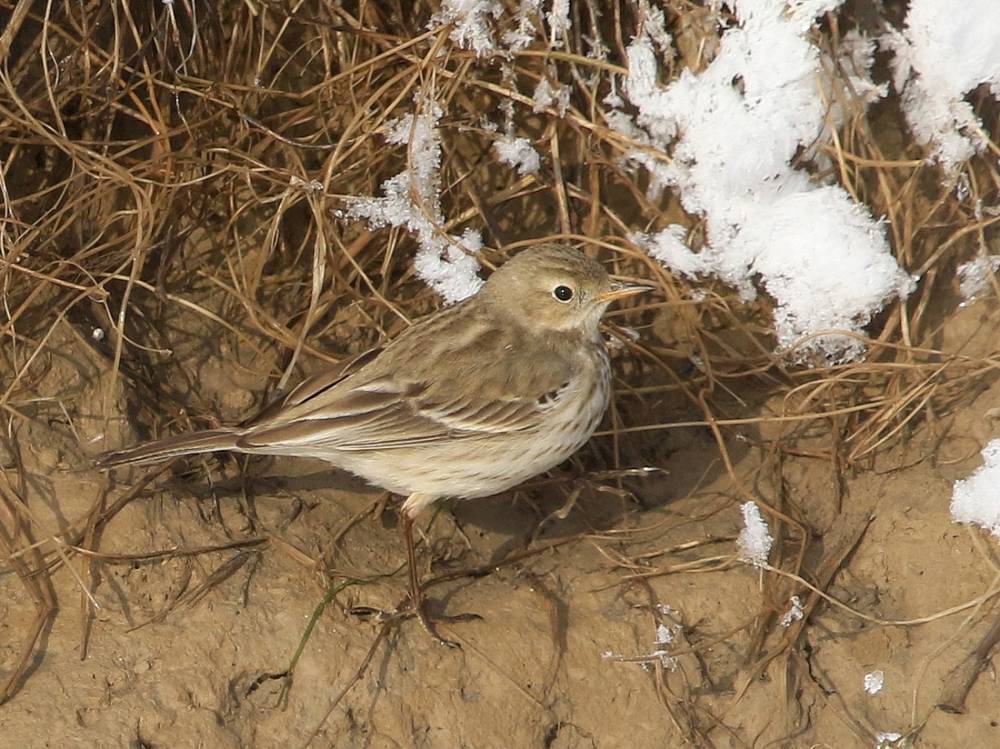
16. Meadow Pipit
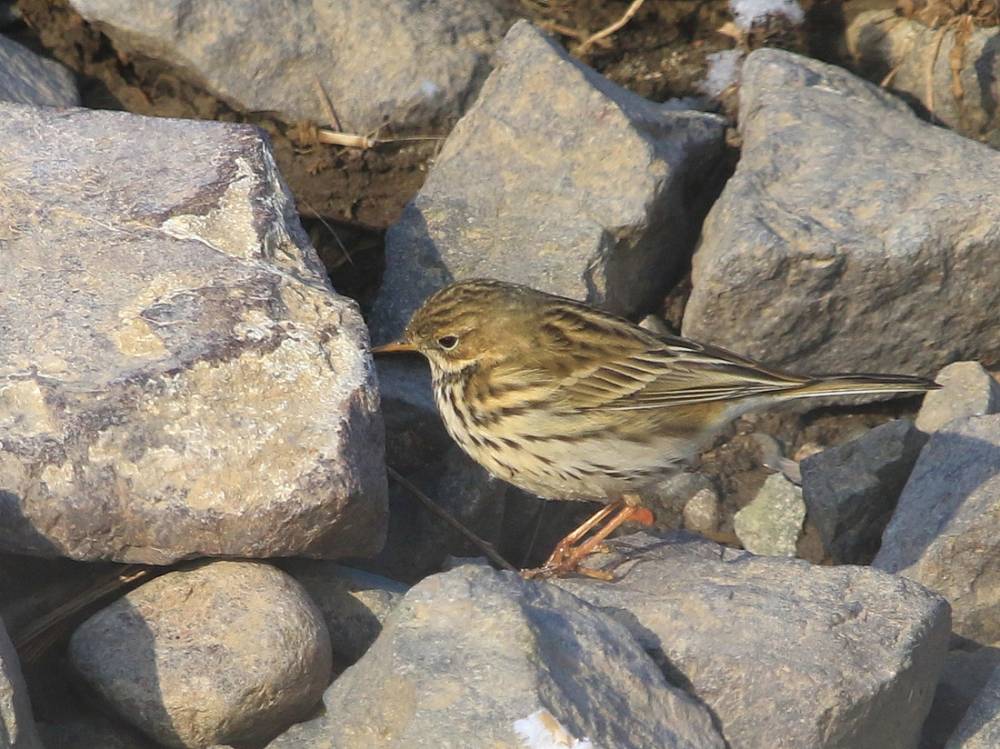
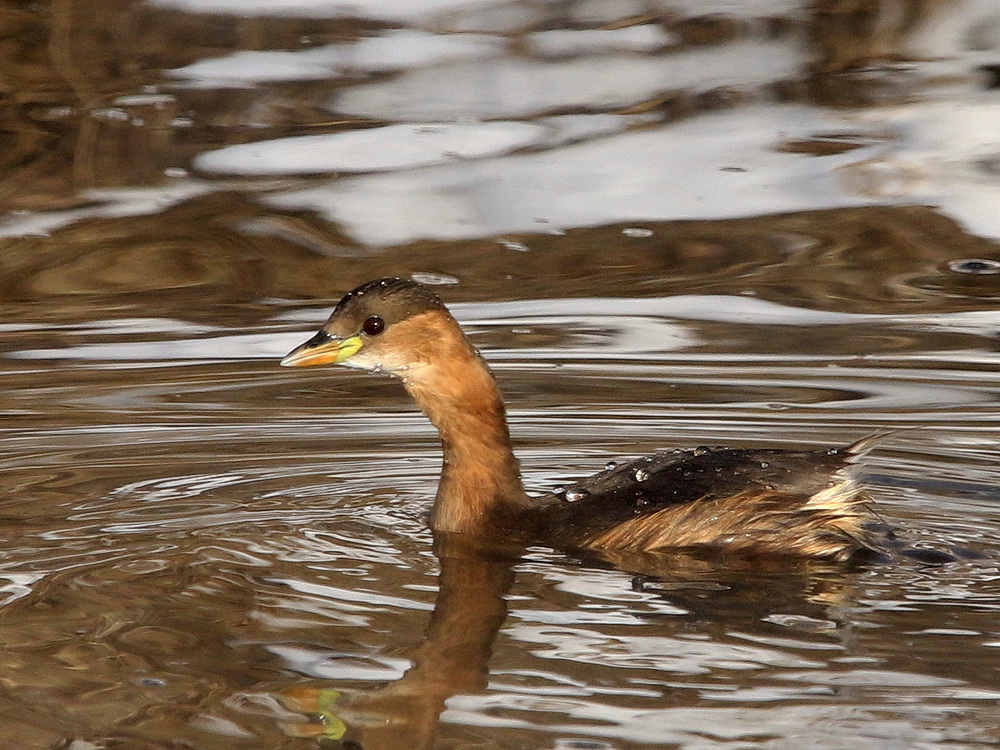
17. Little Grebe
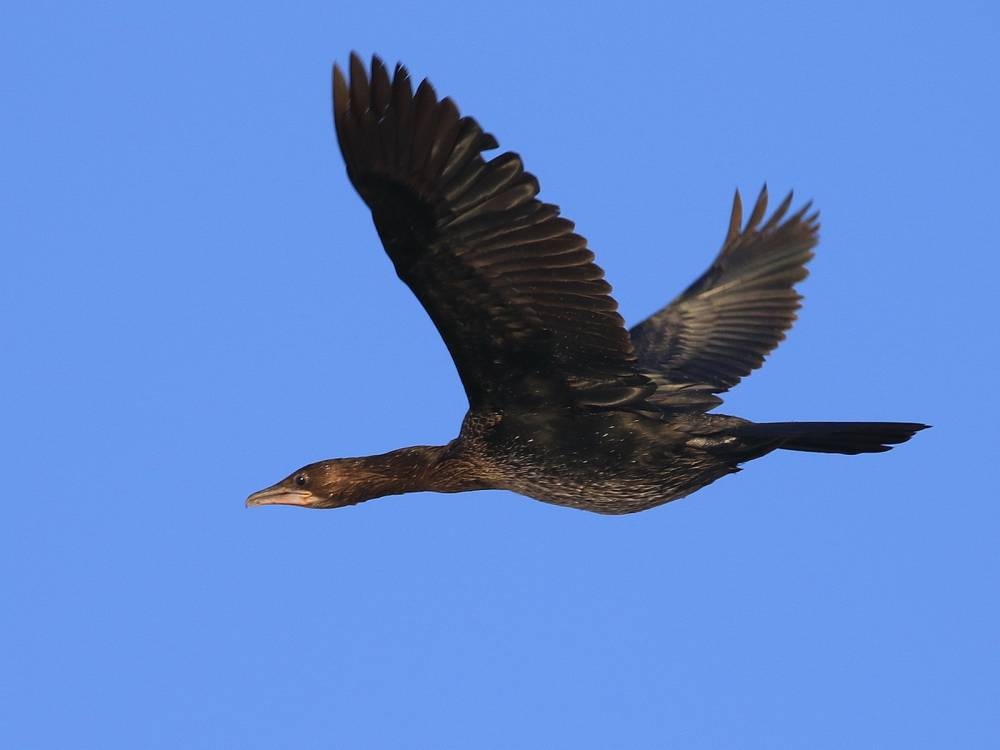
18. Pygmy Cormorant
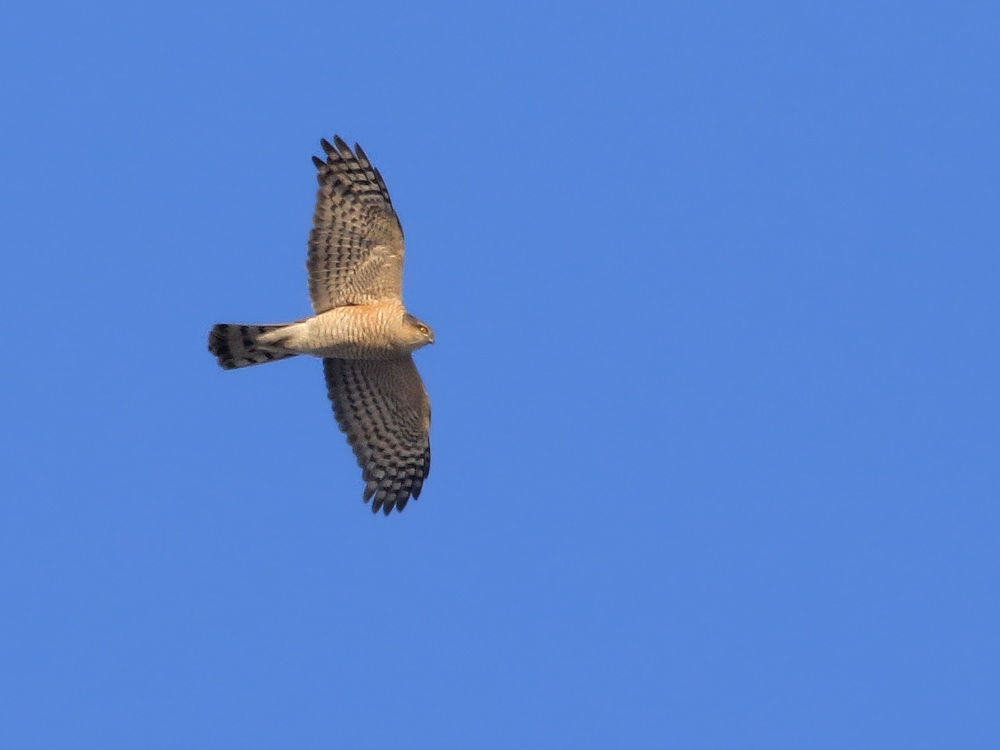
19. Sparrowhawk
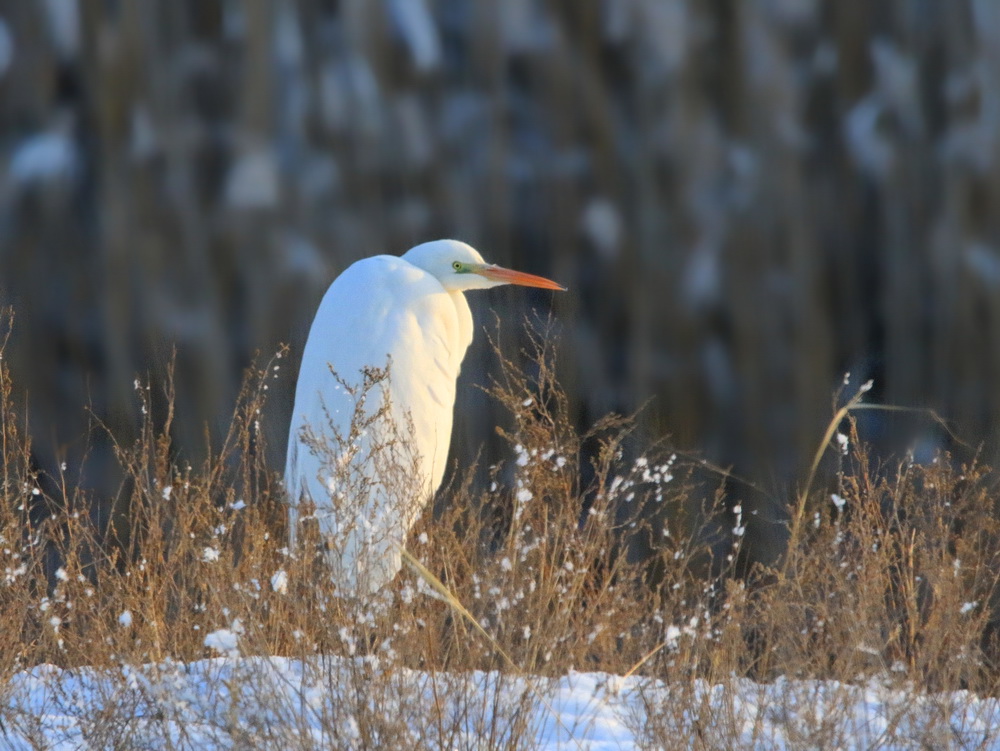
20. Great Eagret
| # | species | number | |
| 1 | Little Grebe (Tachybaptus ruficollis) | 50 | |
| 2 | Pygmy Cormorant (Phalacrocorax pygmaeus) | 20 | |
| 3 | Great White Egret (Egretta alba) | 4 | |
| 4 | Mute Swan (Cygnus olor) | 30 | |
| 5 | Whooper Swan (Cygnus cygnus) | 80 | |
| 6 | Ruddy Shelduck (Tadorna ferruginea) | 2 | |
| 7 | Common Shelduck (Tadorna tadorna) | 3 | |
| 8 | Mallard (Anas platyrhynchos) | 1000 | |
| 9 | Common Pochard (Aythya ferina) | 40 | |
| 10 | Tufted Duck (Aythya fuligula) | 40 | |
| 11 | Common Goldeneye (Bucephala clangula) | 20 | |
| 12 | Smew (Mergellus albellus) | 50 | |
| 13 | Goosander (Mergus merganser) | 20 | |
| 14 | Hen Harrier (Circus cyaneus) | 1 | |
| 15 | Western Marsh-Harrier (Circus aeruginosus) | 1 | |
| 16 | Common Sparrowhawk (Accipiter nisus) | 1 | |
| 17 | Rough-legged Buzzard (Buteo lagopus) | 2 | |
| 18 | Upland Buzzard (Buteo hemilasius) | 2 | |
| 19 | Eastern Buzzard (Buteo japonicus) | 3 | |
| 20 | Steppe Eagle (Aquila nipalensis) | 1 | |
| 21 | White-tailed Sea-Eagle (Haliaeetus albicilla) | 10 | |
| 22 | Common Kestrel (Falco tinnunculus) | 2 | |
| 23 | Common Pheasant (Phasianus colchicus) | 1 | |
| 24 | Green Sandpiper (Tringa ochropus) | 10 | |
| 25 | Mew Gull (Larus canus) | 2 | |
| 26 | Rock Pigeon (Columba livia) | ||
| 27 | Eurasian Collared Dove (Streptopelia decaocto) | 3 | |
| 28 | Crested Lark (Galerida cristata) | 5 | |
| 29 | Horned Lark (Eremophila alpestris) | 3 | |
| 30 | Masked Wagtail (Motacilla personata) | 2 | |
| 31 | Meadow Pipit (Anthus pratensis) | 8 | |
| 32 | Water Pipit (Anthus spinoletta) | 7 | |
| 33 | Common Mynah (Acridotheres tristis) | ||
| 34 | Eurasian Magpie (Pica pica) | ||
| 35 | Eurasian Jackdaw (Corvus monedula) | ||
| 36 | Rook (Corvus frugilegus) | ||
| 37 | Carrion Crow (Corvus corone) | ||
| 38 | Hooded Crow (Corvus cornix) | ||
| 39 | Northern Wren (Troglodytes troglodytes) | 1 | |
| 40 | Black-throated Thrush (Turdus atrogularis) | 2 | |
| 41 | Azure Tit (Parus cyanus) | 1 | |
| 42 | Great Tit (Parus major) | 1 | |
| 43 | House Sparrow (Passer domesticus) | ||
| 44 | Tree Sparrow (Passer montanus) | ||
| 45 | Common Chaffinch (Fringilla coelebs) | 15 | |
| 46 | Brambling (Fringilla montifringilla) | 40 | |
| 47 | Red-fronted Serin (Serinus pusillus) | 7 | |
| 48 | European Greenfinch (Chloris chloris) | 15 | |
| 49 | Eurasian Linnet (Acanthis cannabina) | 50 | |
| 50 | Corn Bunting (Emberiza calandra) | 20 | |
| 51 | Yellowhammer (Emberiza citrinella) | 5 | |
| 52 | Northern Reed Bunting (Emberiza schoeniclus) | 15 | |
calendar
2026
| jan | feb | mar | apr |
| may | jun | jul | aug |
| sep | oct | nov | dec |
| jan | feb | mar | apr |
| may | jun | jul | aug |
| sep | oct | nov | dec |
| jan | feb | mar | apr |
| may | jun | jul | aug |
| sep | oct | nov | dec |
| jan | feb | mar | apr |
| may | jun | jul | aug |
| sep | oct | nov | dec |
| jan | feb | mar | apr |
| may | jun | jul | aug |
| sep | oct | nov | dec |
| jan | feb | mar | apr |
| may | jun | jul | aug |
| sep | oct | nov | dec |
| jan | feb | mar | apr |
| may | jun | jul | aug |
| sep | oct | nov | dec |
| jan | feb | mar | apr |
| may | jun | jul | aug |
| sep | oct | nov | dec |
| jan | feb | mar | apr |
| may | jun | jul | aug |
| sep | oct | nov | dec |
| jan | feb | mar | apr |
| may | jun | jul | aug |
| sep | oct | nov | dec |
| jan | feb | mar | apr |
| may | jun | jul | aug |
| sep | oct | nov | dec |
| jan | feb | mar | apr |
| may | jun | jul | aug |
| sep | oct | nov | dec |
| jan | feb | mar | apr |
| may | jun | jul | aug |
| sep | oct | nov | dec |
| jan | feb | mar | apr |
| may | jun | jul | aug |
| sep | oct | nov | dec |
| jan | feb | mar | apr |
| may | jun | jul | aug |
| sep | oct | nov | dec |
| jan | feb | mar | apr |
| may | jun | jul | aug |
| sep | oct | nov | dec |
| jan | feb | mar | apr |
| may | jun | jul | aug |
| sep | oct | nov | dec |
| jan | feb | mar | apr |
| may | jun | jul | aug |
| sep | oct | nov | dec |
| jan | feb | mar | apr |
| may | jun | jul | aug |
| sep | oct | nov | dec |
| jan | feb | mar | apr |
| may | jun | jul | aug |
| sep | oct | nov | dec |
| jan | feb | mar | apr |
| may | jun | jul | aug |
| sep | oct | nov | dec |
| jan | feb | mar | apr |
| may | jun | jul | aug |
| sep | oct | nov | dec |
rare birds records
Squacco Heron (Ardeola ralloides)
© Andrey Kovalenko
2026-06-06
Almaty area, Sorbulak.
Great Snipe (Gallinago media)
© Vasilii Bastaev
2026-05-08
Karakol lake, Mangystau
Great Snipe (Gallinago media)
© Qanatbek Kenzhegulov
2026-04-14
Aktau, Mangystau region
Northern Wren (Troglodytes troglodytes)
© Alexandr Fedulin
2026-03-30
Big Year 2026
2. Aizhan Baitimbet (270)
3. Galym Baitimbet (267)
4. Zhaskairat Ermek (261)
5. Nikita Kanunnikov (228)
6. Gennadiy Dyakin (219)
7. Vladimir Muravskiy (219)
8. Andrey Kovalenko (196)
9. Sirimbet Zharilkasin (196)
10. Viktoriya Zvyaginceva (182)
unidentified birds
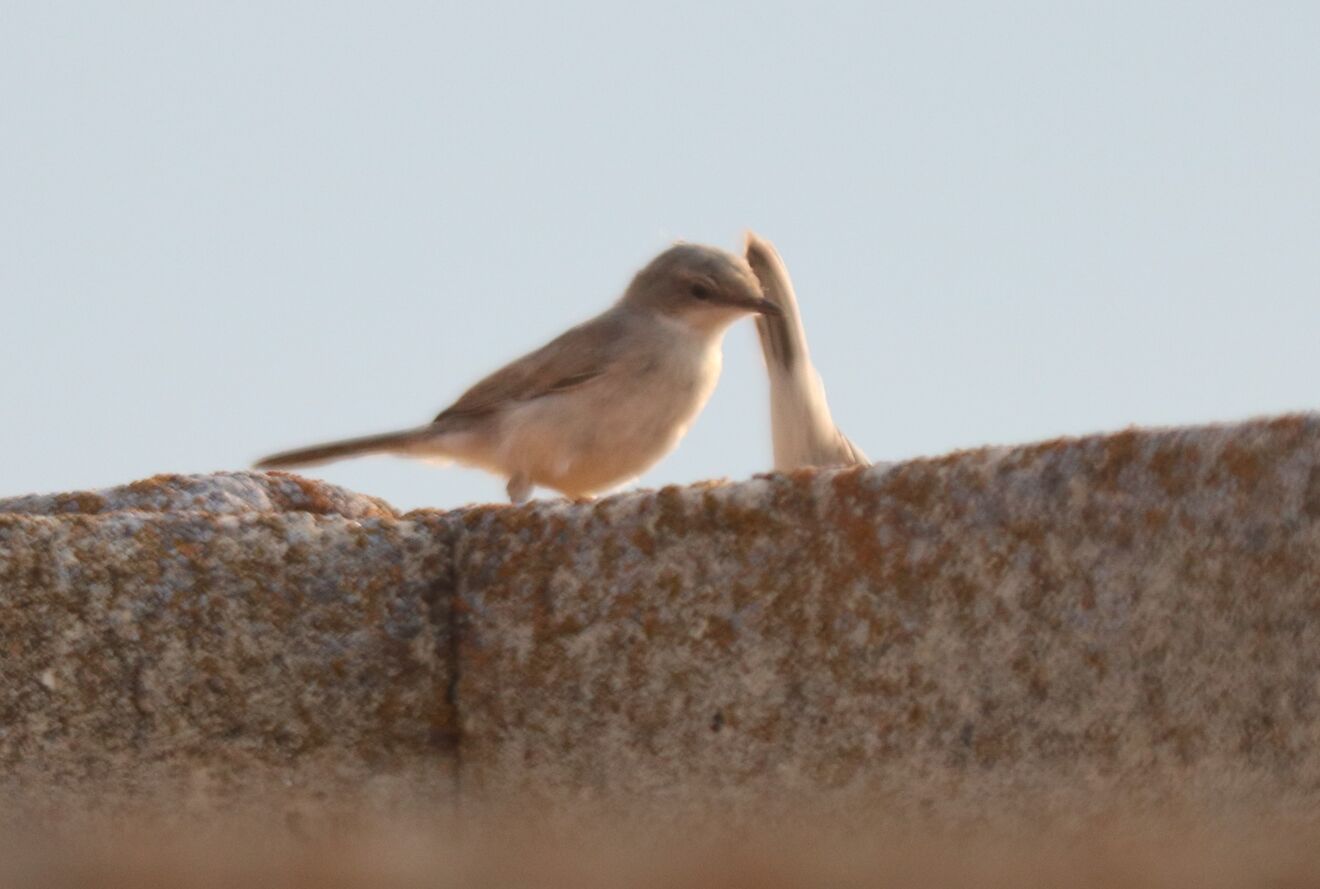
Жаскайрат Ермек: Садовая славка?
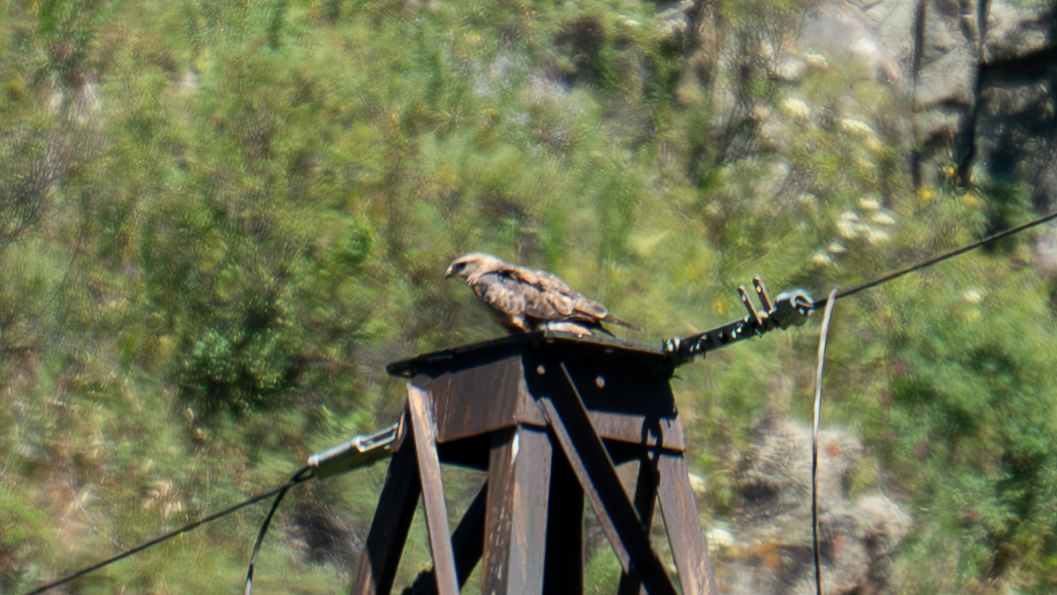
Руслан Абутрапов: Спасибо!
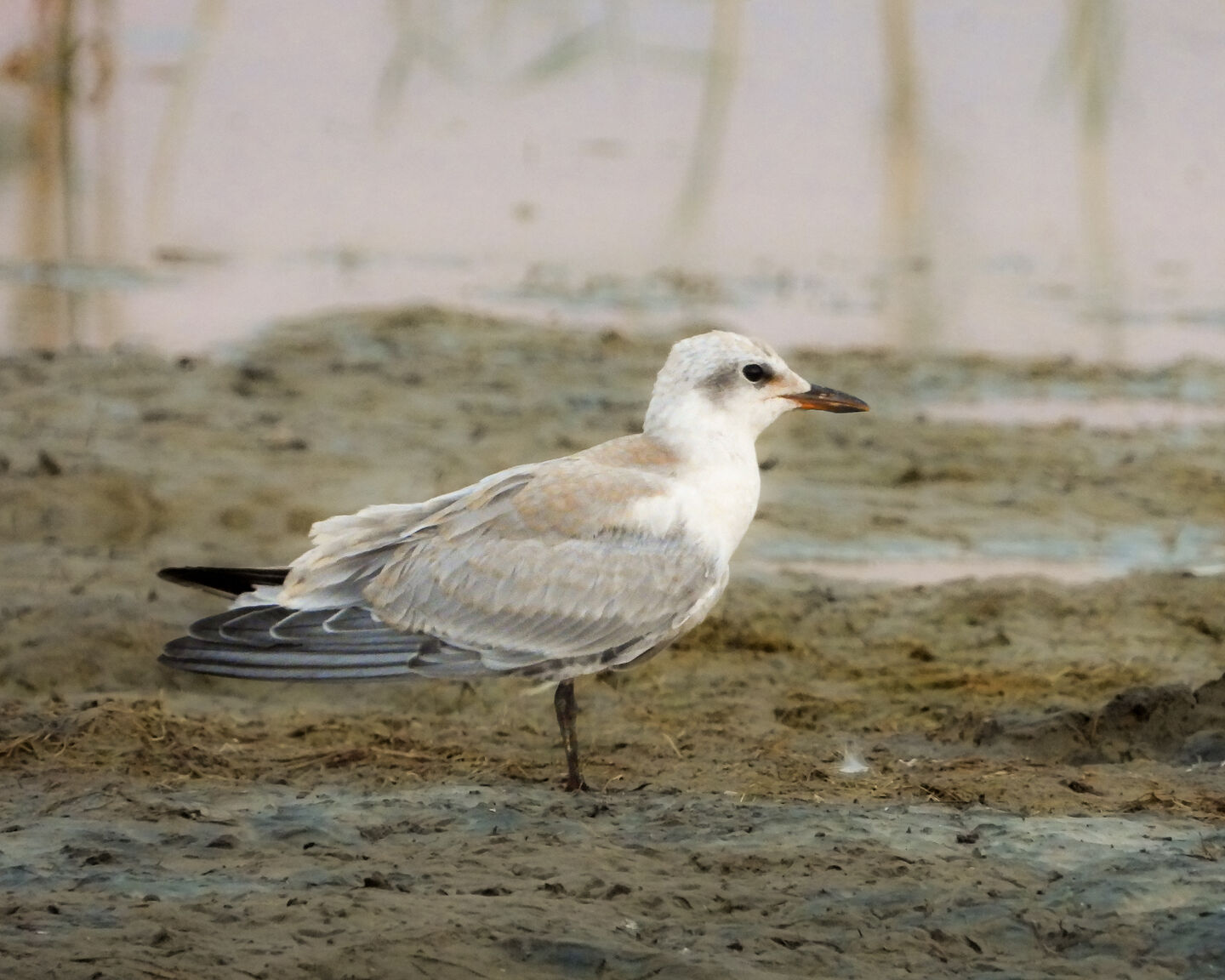
Анна Ясько: Чайконосая крачка.