
pictures
blog posts
search
classification:
Gaviiformes
Podicipediformes
Pelecaniformes
Ciconiiformes
Phoenicopteriformes
Anseriformes
Falconiformes
Galliformes
Gruiformes
Charadriiformes
Pterocletiformes
Columbiformes
Cuculiformes
Strigiformes
Caprimulgiformes
Apodiformes
Coraciiformes
Upupiformes
Piciformes
Passeriformes
Novruz 2021. Chulakkurgan - Arys.
2021-03-21| Askar Isabekov
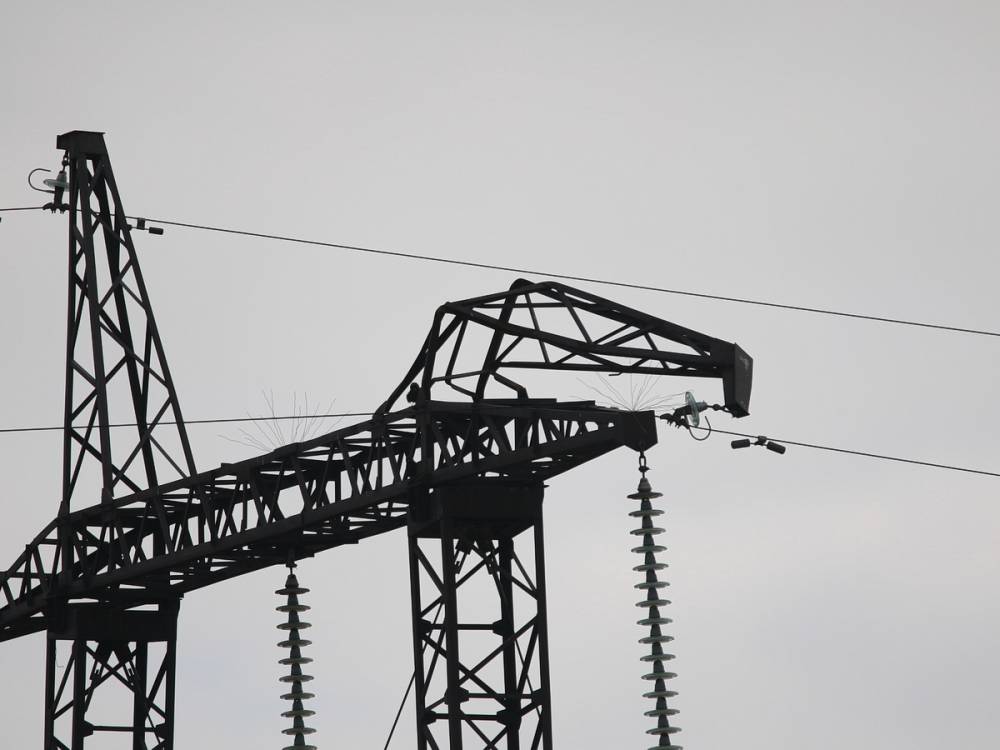
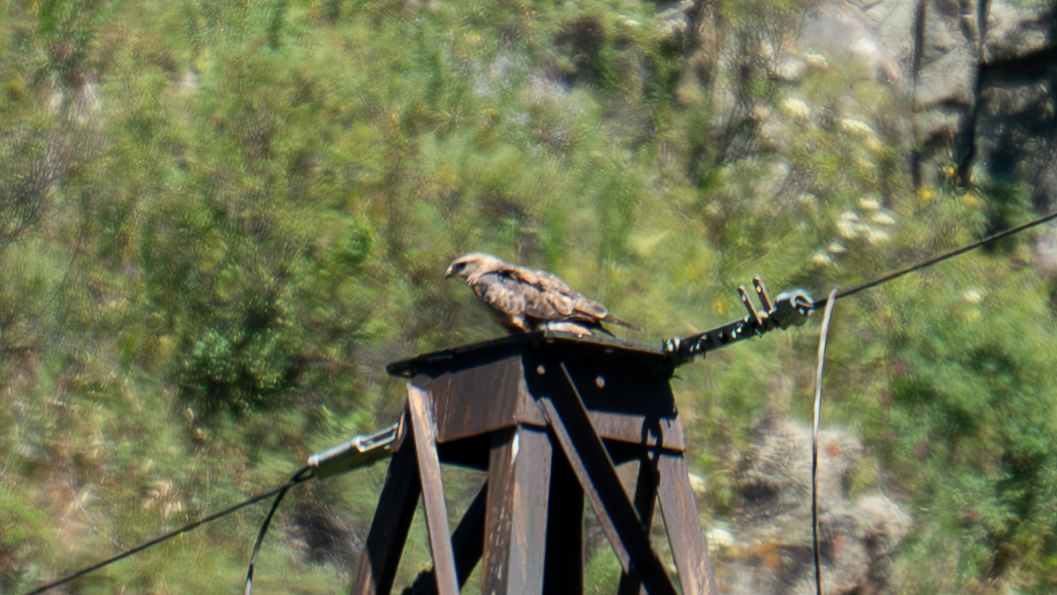
All around Chulakkurgan is under a snow, the warming and gap between the temperature of air and ground formed the dence mist. That situation is during all road until Karatau ridge. After the pass mist disappeared, snow is absolutely absent, but there is a lot of water in offroad, the side roads either under the puddles or bogged after rains, but impossible to use in any case. In roadside thickets there were the resting birds. Most noticable of them were numerous Eagles, number of them was definitely more then dozen. We saw both Eastern Imperial and Steppe Eagles, some of which was drying wings like a Cormorants. In trees we saw also Corn Buntings, Shrikes, Fieldfires. The migration is of course present, Harriers, Gulls, single birds and little flocks fly from west to east. In the end of Suzak road. in Ekpendy we watched group of Heulgini's and Caspian Gulls. Local man oaid our attention to the broken trees and flexed tower of power line, saying that's result of weighting by ice which is result of wet snowfall and sharp decreasing of temperature of last week. I never seen the flexed after ice weighting tower of power line before today.
Today Shoshkakol is almost without birds. I never seen so little number of birds in this place. Excluding the main grader road all side roads are bogged. In the main road we several times saw driving hunters. This spring contains many natural disasters, a lot of birds definitely died, of course wet snowfalls and sharply decreasing of temperature couldn't just be without bad effects. On my opinion the number of birds which could to survive last week is a bit. We saw just six Geese and two dozens of Ducks (commonly thousands). Is it really hunters in such a situation continue to shoot birds? Surviving Geese and Ducks are a bit. Even understanding that new birds have to appeare soon, in my opinion the hunting should be stop.
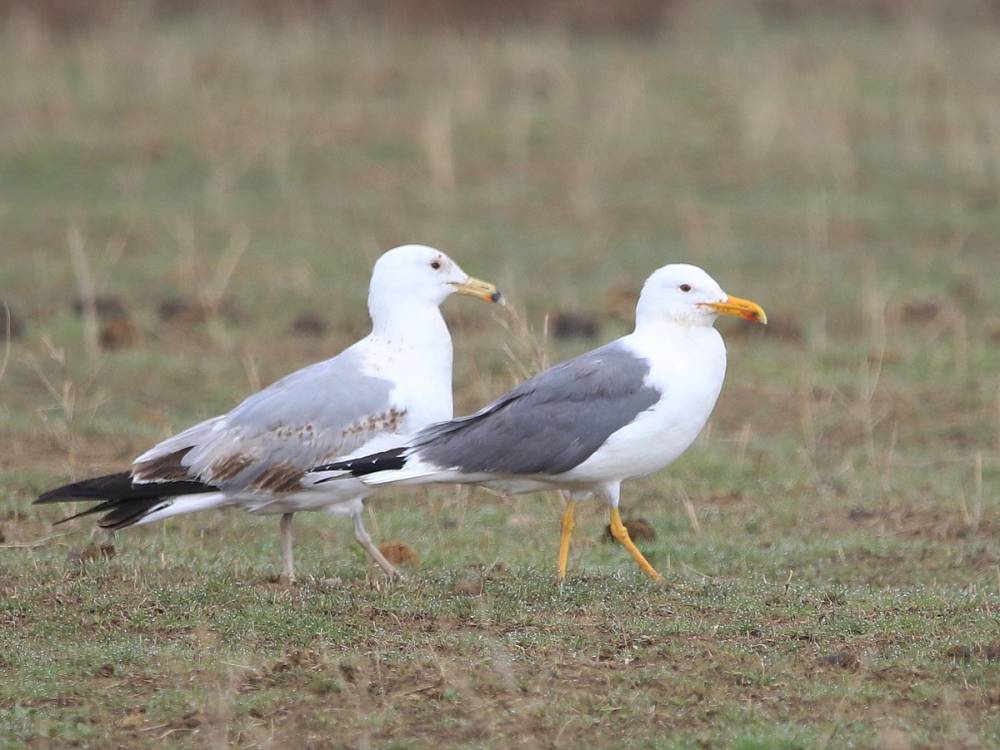
Among feeding in steppe Gulls there were many round-headed birds with bright-yellow legs and bills, with a mantle darker than in Caspian Gulls. They are of course not Caspian Gulls, but difficult to say is it Baraba or Heulgini's Gulls, probably both of them. However this Gulls are not rare here. Commonly we think that Heuglini's Gull is rare bird because in our familiar birding spots around Almaty we recorded it rare. I was also surprised when found Heuglini's Gull in the list of Kerala birds as one only species of group of former 'argentatus' Gulls, definitely as a wintering bird. But this Gull is quite a numerous in Kerala. Prbably the migrating path of Heuglini's (and Baraba) Gulls is in west of mountain foothills, therefore they are rare in our location, as Geese too of course which are almost absent.
We attempted to find hotel in Arystanbab, but all hotels are either full or closed due the absence of electricity because the crushing of power lines of previous week. We tryed to looking for nighting place in close cities and villages, but Turkestan (60 km) is so expensive, Shumkent (130 km) is too far and unconvinient located. I am so thanks to Marina and Olga for the finding the hotel in Arys (90 km) located comfortable for the birding of next days.
The natural disasters of last week broke our plan of tour, but it's really nothing in compare with kilometers of destroyed power lines, broken trees, and I think a lot of died birds. Despite the popular opinion of the global warming, during the current winter-spring season there are many huge snowfalls and significant unexpected frosts in many places of the world including Kazakhstan. Unpredictability of climat definitely affects to birds. Two previous snowy springs decreased the population of Whit-winged Grosbeacks around Almaty, this previously common birds in winter city were not recorded in last two winters. Gennady said interesting theory: climat now naturally move to little ice age, but the activity of human civilization affects to latter in opposit direction. The result is climat instability which negatively affects to all around, including birds.
1. Imperial Eagle is drying wings after yesterday rain

2. we left the snowy steppes of Chulakkurgan

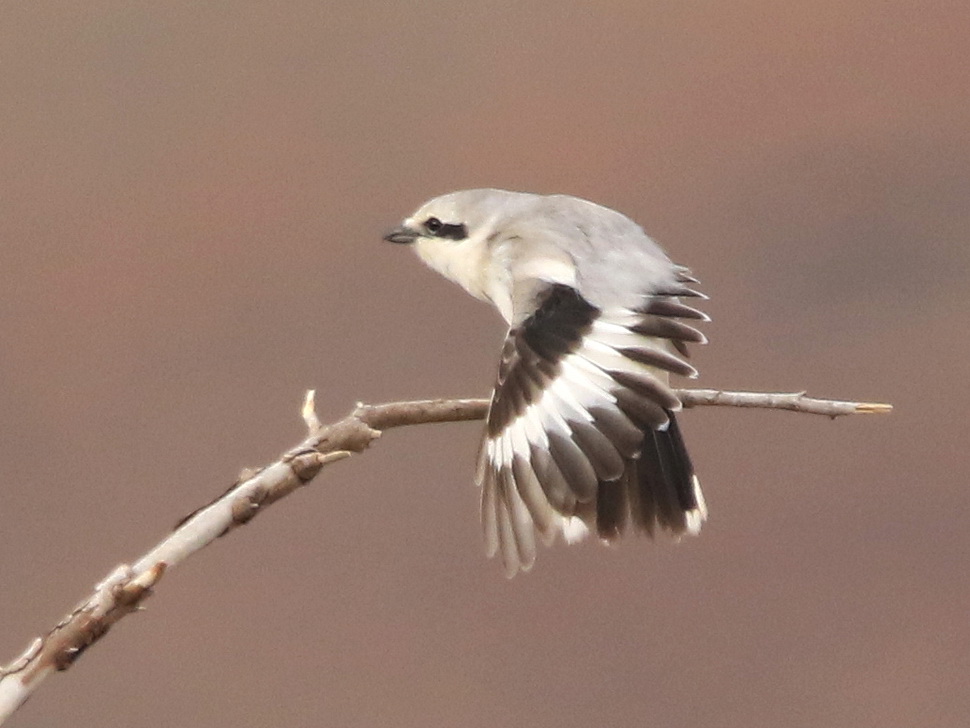
3. almost in one moment we watched Steppe Grey Shrike (black secondaried) and ...

4. Great Grey Shrike homeyeri subspecies (white secondaries)
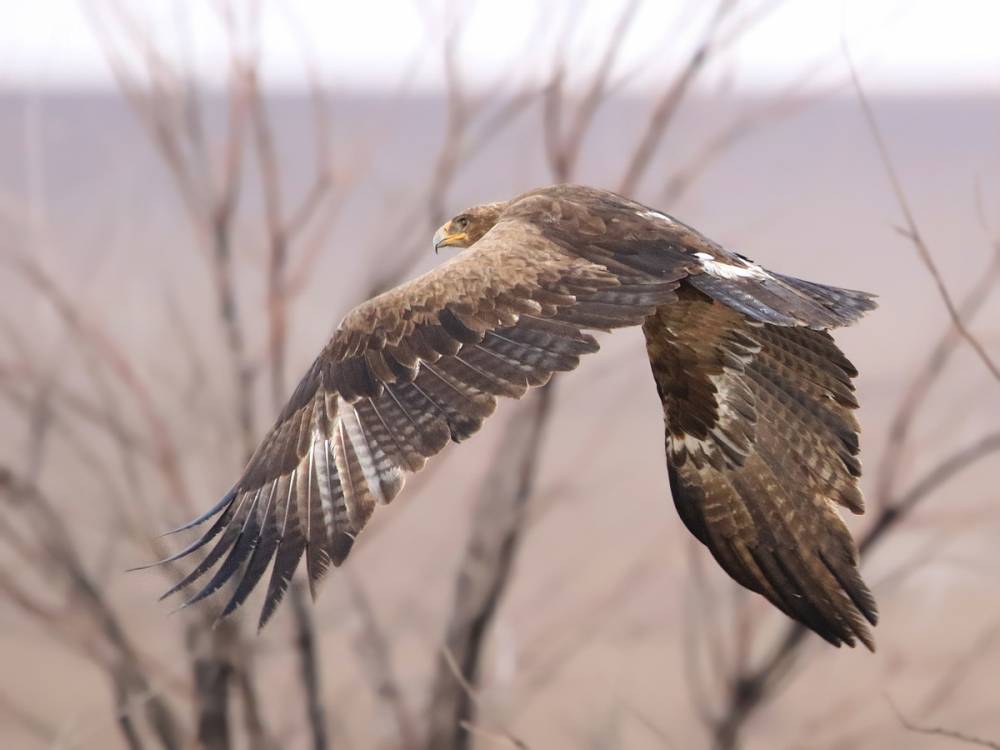
5. Steppe Eagle
6. subadult Caspian Gull and Heuglini's Gull
7. the tower of power line flexed by the ice
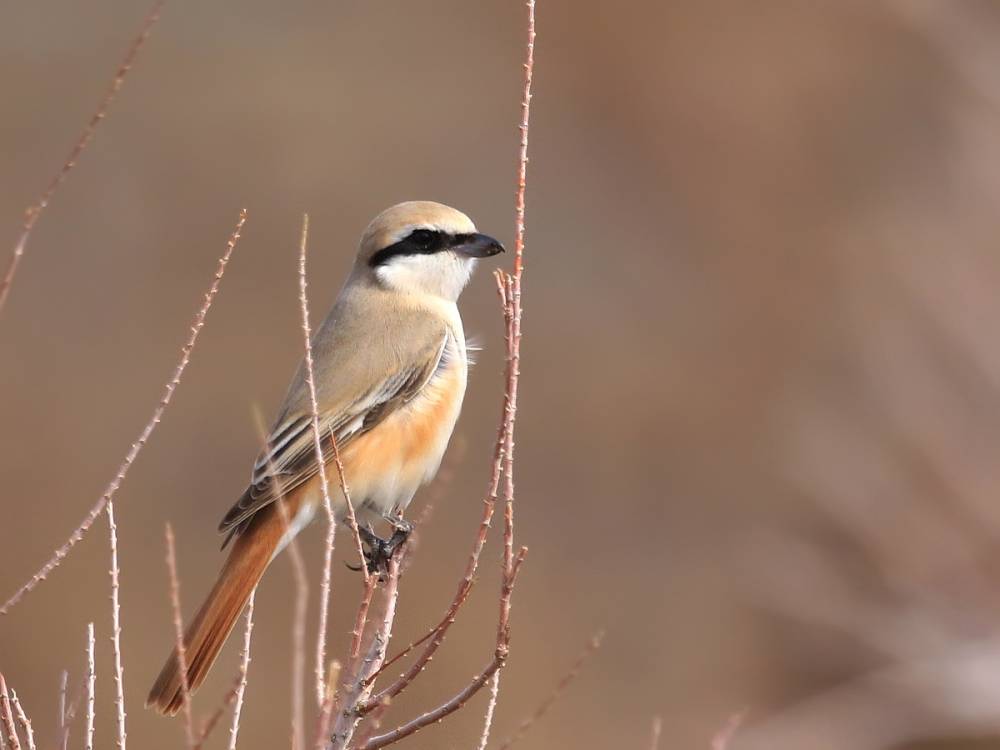
8. Isabelline Shrike
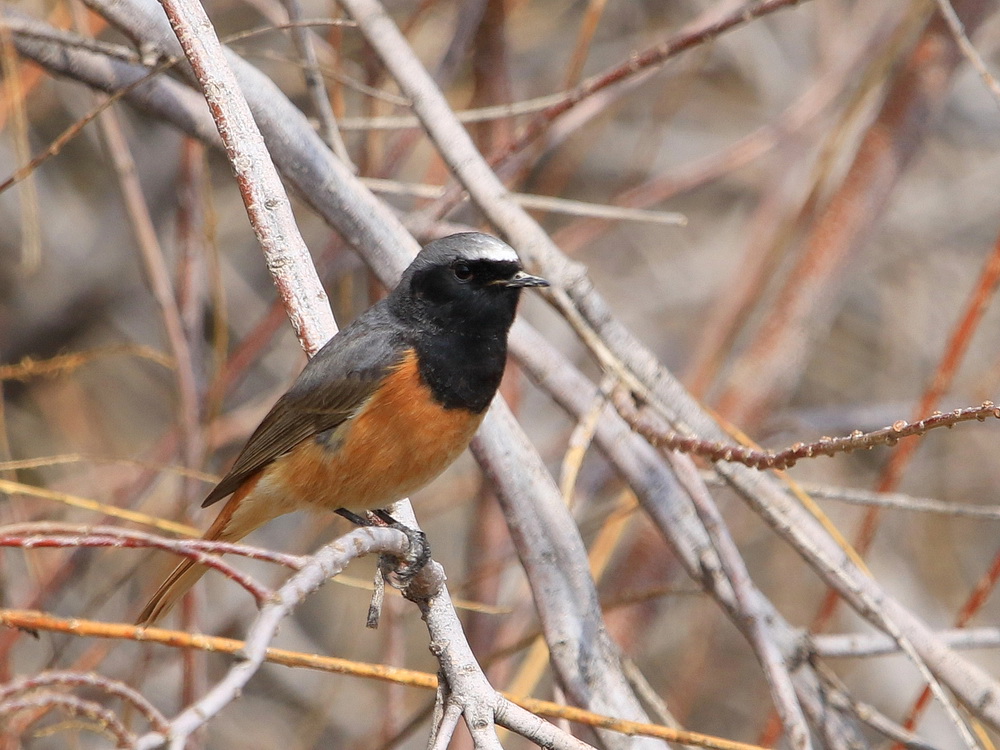
9. Common Redstart
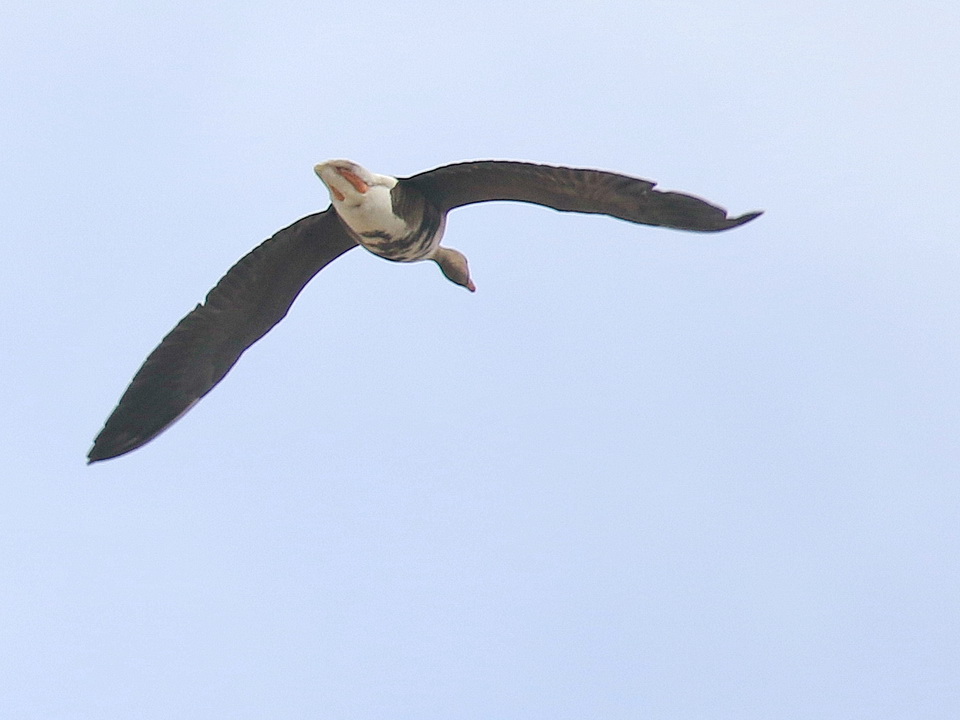
10. Greater White-fronted Goose
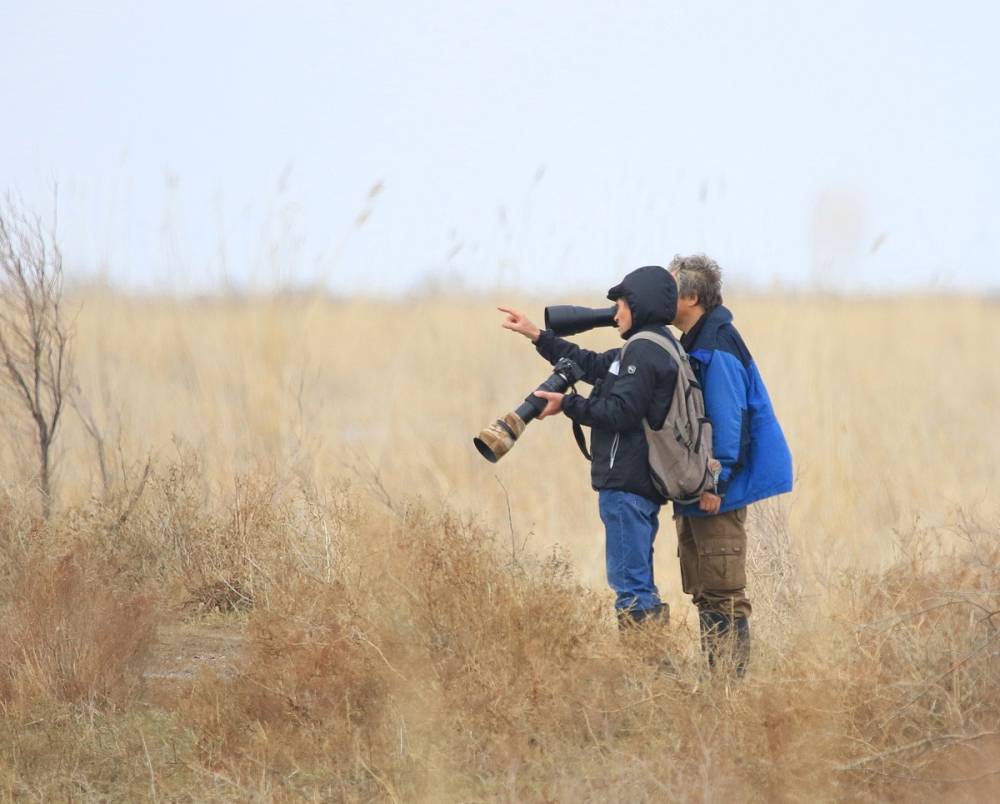
11. Alexander Belyaev and Gennady Dyakin
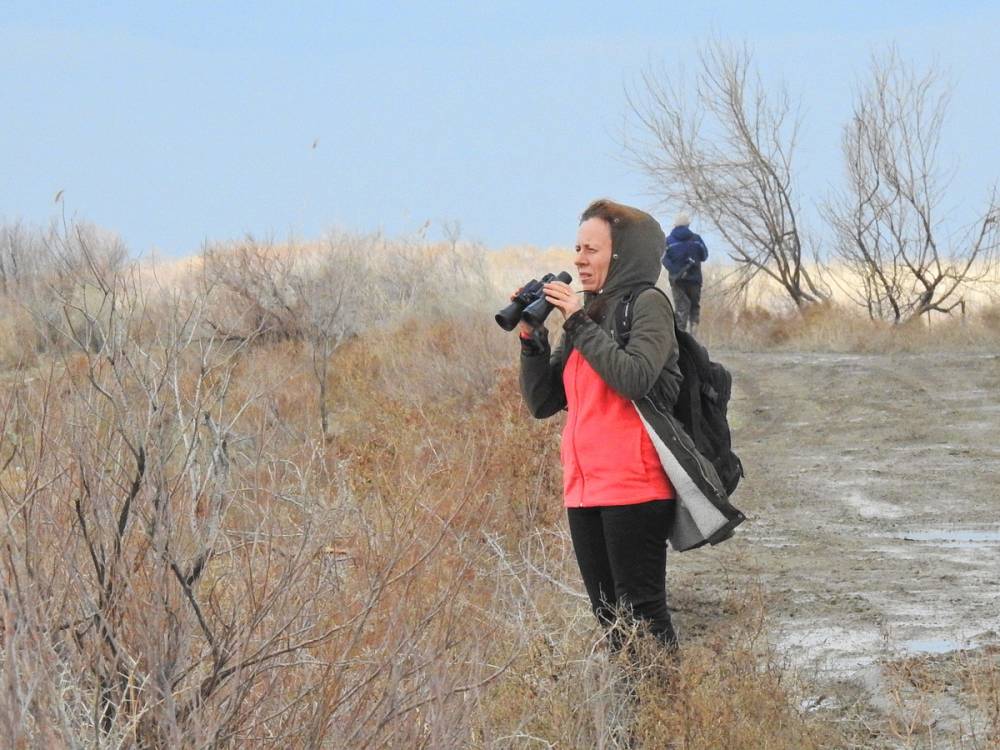
12. Marina
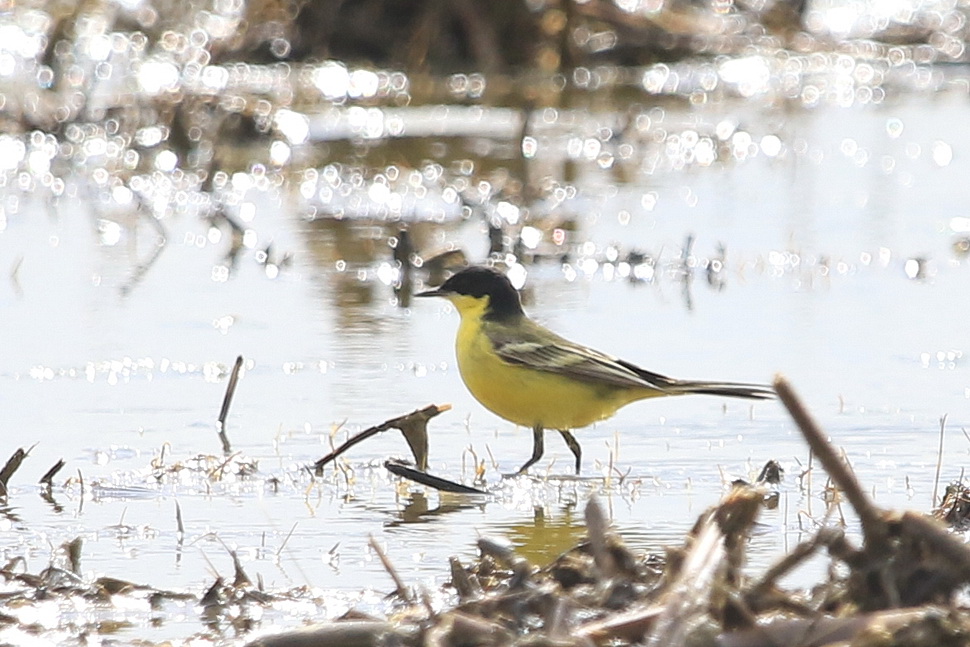
13. Black-headed Wagtail
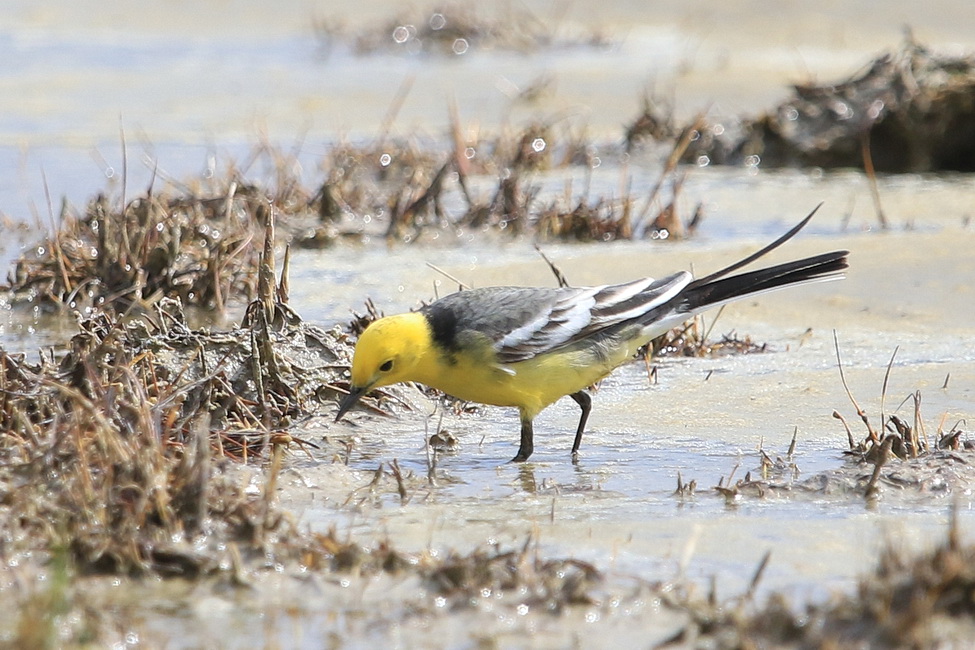
14. Yellow-headed Wagtail
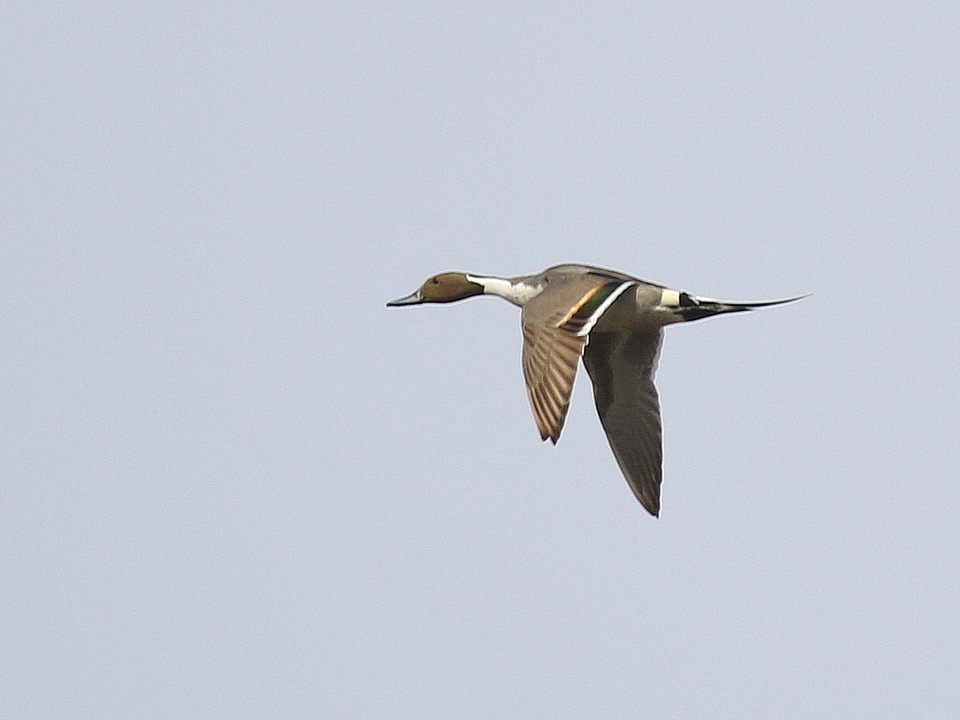
15. Northern Pintail
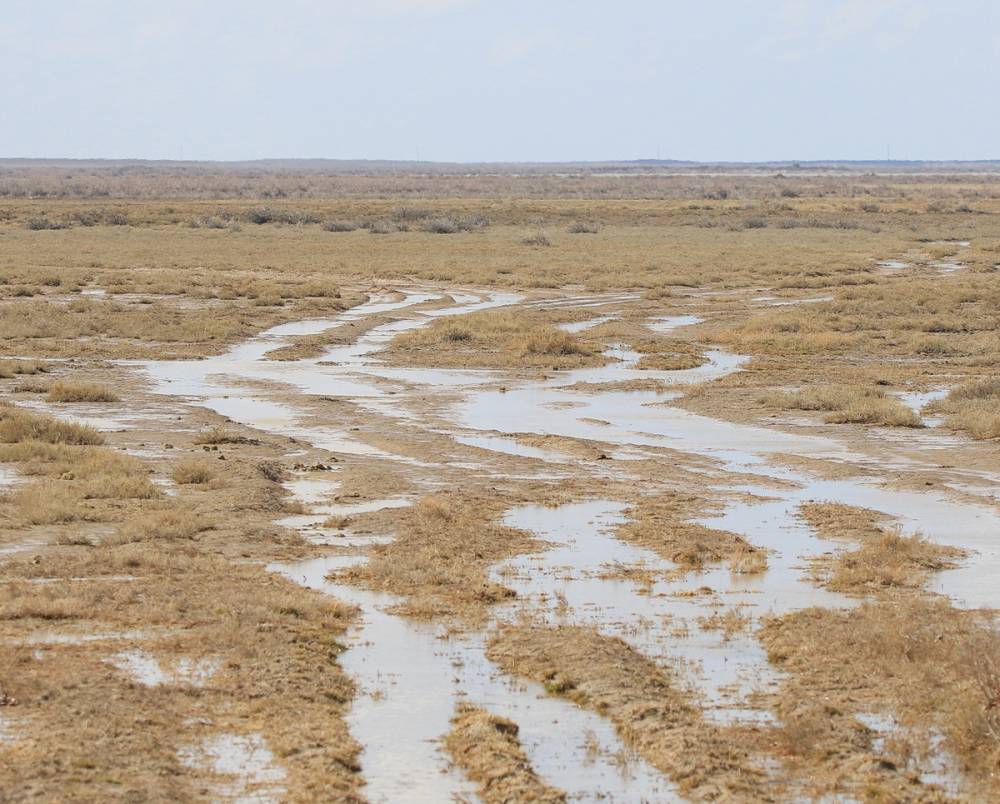
16. the side roads are bogged after the rains
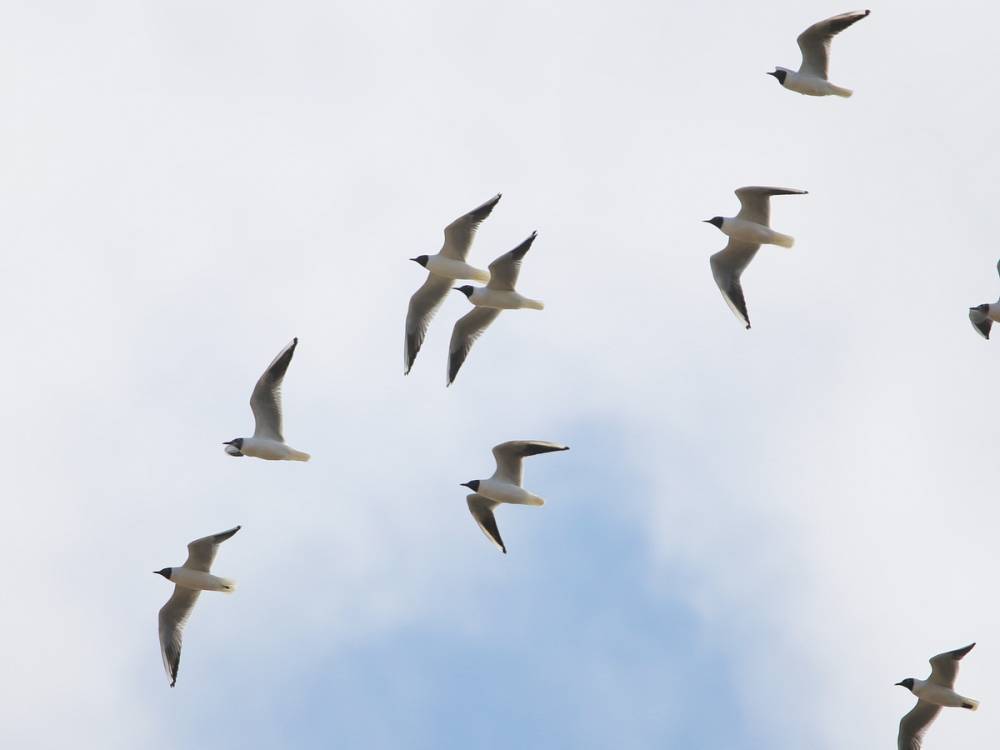
17. migration of Black-headed Gulls in Syrdaria river
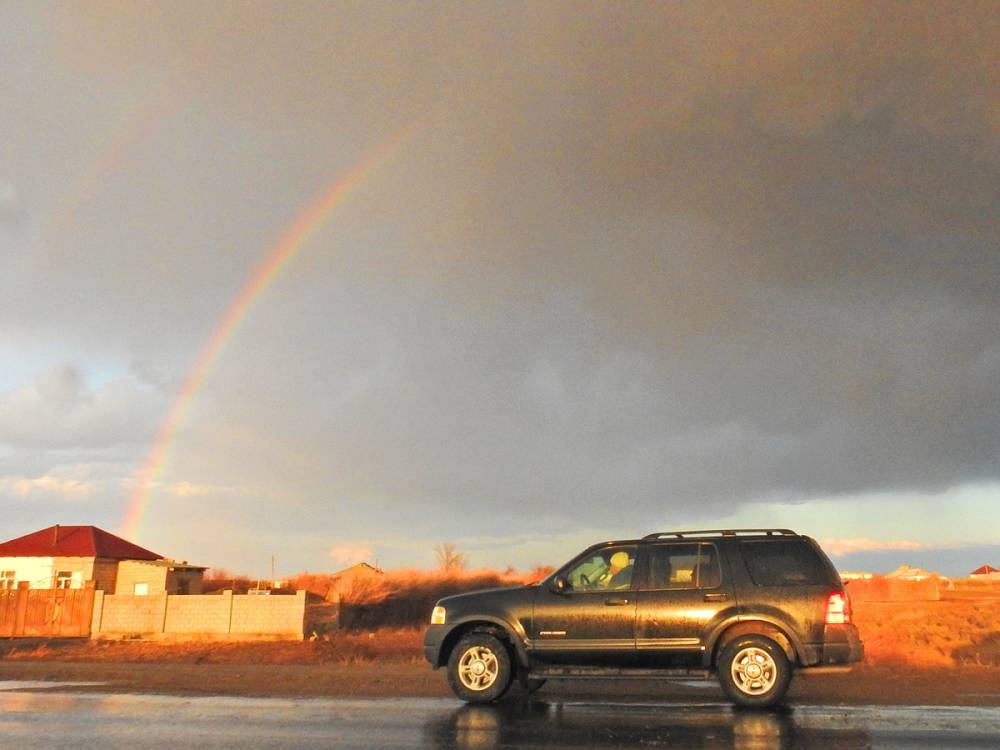
18. double rainbow
| # | species | number | |
| 1 | Dalmatian Pelican (Pelecanus crispus) | 2 | |
| 2 | Great Cormorant (Phalacrocorax carbo) | 5 | |
| 3 | Great White Egret (Egretta alba) | 2 | |
| 4 | Grey Heron (Ardea cinerea) | 2 | |
| 5 | Greylag Goose (Anser anser) | 6 | |
| 6 | Greater White-fronted Goose (Anser albifrons) | 4 | |
| 7 | Mute Swan (Cygnus olor) | 30 | |
| 8 | Whooper Swan (Cygnus cygnus) | 5 | |
| 9 | Ruddy Shelduck (Tadorna ferruginea) | 2 | |
| 10 | Mallard (Anas platyrhynchos) | 5 | |
| 11 | Common Teal (Anas crecca) | 30 | |
| 12 | Gadwall (Anas strepera) | 10 | |
| 13 | Eurasian Wigeon (Anas penelope) | 5 | |
| 14 | Northern Pintail (Anas acuta) | 20 | |
| 15 | Red-crested Pochard (Netta rufina) | 1 | |
| 16 | Common Pochard (Aythya ferina) | 1 | |
| 17 | Tufted Duck (Aythya fuligula) | 1 | |
| 18 | Western Marsh-Harrier (Circus aeruginosus) | 10 | |
| 19 | Long-legged Buzzard (Buteo rufinus) | 10 | |
| 20 | Steppe Eagle (Aquila nipalensis) | 10 | |
| 21 | Eastern Imperial Eagle (Aquila heliaca) | 5 | |
| 22 | Common Kestrel (Falco tinnunculus) | 10 | |
| 23 | Common Pheasant (Phasianus colchicus) | 2 | |
| 24 | Great Bustard (Otis tarda) | 5 | |
| 25 | Little Ringed Plover (Charadrius dubius) | 4 | |
| 26 | Northern Lapwing (Vanellus vanellus) | 5 | |
| 27 | Common Redshank (Tringa totanus) | 5 | |
| 28 | Common Snipe (Gallinago gallinago) | 10 | |
| 29 | Black-headed Gull (Larus ridibundus) | 100 | |
| 30 | Siberian Black-backed Gull (Larus heuglini) | 20 | |
| 31 | Caspian Gull (Larus cachinnans) | ||
| 32 | Rock Pigeon (Columba livia) | ||
| 33 | Eurasian Collared Dove (Streptopelia decaocto) | ||
| 34 | Hoopoe (Upupa epops) | 3 | |
| 35 | Crested Lark (Galerida cristata) | ||
| 36 | Calandra Lark (Melanocorypha calandra) | ||
| 37 | Black-headed Wagtail (Motacilla feldegg) | 1 | |
| 38 | Citrine Wagtail (Motacilla citreola) | 10 | |
| 39 | White Wagtail (Motacilla alba) | 10 | |
| 40 | Masked Wagtail (Motacilla personata) | ||
| 41 | Water Pipit (Anthus spinoletta) | 5 | |
| 42 | Isabelline Shrike (Lanius isabellinus) | 10 | |
| 43 | Turkestan Shrike (Lanius phoenicuroides) | 1 | female |
| 44 | Great Grey Shrike (Lanius excubitor) | 2 | |
| 45 | Steppe Grey Shrike (Lanius pallidirostris) | 3 | |
| 46 | Common Starling (Sturnus vulgaris) | 50 | |
| 47 | Common Mynah (Acridotheres tristis) | ||
| 48 | Eurasian Magpie (Pica pica) | ||
| 49 | Eurasian Jackdaw (Corvus monedula) | ||
| 50 | Rook (Corvus frugilegus) | ||
| 51 | Carrion Crow (Corvus corone) | ||
| 52 | Hooded Crow (Corvus cornix) | ||
| 53 | Pied Wheatear (Oenanthe pleschanka) | 7 | |
| 54 | Desert Wheatear (Oenanthe deserti) | 1 | |
| 55 | Isabelline Wheatear (Oenanthe isabellina) | 1 | |
| 56 | Eurasian Redstart (Phoenicurus phoenicurus) | 2 | |
| 57 | Black Redstart (Phoenicurus ochruros) | 8 | |
| 58 | Bluethroat (Luscinia svecica) | 2 | |
| 59 | Black-throated Thrush (Turdus atrogularis) | 10 | |
| 60 | Fieldfare (Turdus pilaris) | 2 | |
| 61 | Turkestan Tit (Parus bokharensis) | 2 | |
| 62 | House Sparrow (Passer domesticus) | 2 | |
| 63 | Common Chaffinch (Fringilla coelebs) | 25 | |
| 64 | Corn Bunting (Emberiza calandra) | 50 | |
| 65 | Yellowhammer (Emberiza citrinella) | 20 | |
| 66 | Northern Reed Bunting (Emberiza schoeniclus) | 50 | |
calendar
2026
| jan | feb | mar | apr |
| may | jun | jul | aug |
| sep | oct | nov | dec |
| jan | feb | mar | apr |
| may | jun | jul | aug |
| sep | oct | nov | dec |
| jan | feb | mar | apr |
| may | jun | jul | aug |
| sep | oct | nov | dec |
| jan | feb | mar | apr |
| may | jun | jul | aug |
| sep | oct | nov | dec |
| jan | feb | mar | apr |
| may | jun | jul | aug |
| sep | oct | nov | dec |
| jan | feb | mar | apr |
| may | jun | jul | aug |
| sep | oct | nov | dec |
| jan | feb | mar | apr |
| may | jun | jul | aug |
| sep | oct | nov | dec |
| jan | feb | mar | apr |
| may | jun | jul | aug |
| sep | oct | nov | dec |
| jan | feb | mar | apr |
| may | jun | jul | aug |
| sep | oct | nov | dec |
| jan | feb | mar | apr |
| may | jun | jul | aug |
| sep | oct | nov | dec |
| jan | feb | mar | apr |
| may | jun | jul | aug |
| sep | oct | nov | dec |
| jan | feb | mar | apr |
| may | jun | jul | aug |
| sep | oct | nov | dec |
| jan | feb | mar | apr |
| may | jun | jul | aug |
| sep | oct | nov | dec |
| jan | feb | mar | apr |
| may | jun | jul | aug |
| sep | oct | nov | dec |
| jan | feb | mar | apr |
| may | jun | jul | aug |
| sep | oct | nov | dec |
| jan | feb | mar | apr |
| may | jun | jul | aug |
| sep | oct | nov | dec |
| jan | feb | mar | apr |
| may | jun | jul | aug |
| sep | oct | nov | dec |
| jan | feb | mar | apr |
| may | jun | jul | aug |
| sep | oct | nov | dec |
| jan | feb | mar | apr |
| may | jun | jul | aug |
| sep | oct | nov | dec |
| jan | feb | mar | apr |
| may | jun | jul | aug |
| sep | oct | nov | dec |
| jan | feb | mar | apr |
| may | jun | jul | aug |
| sep | oct | nov | dec |
| jan | feb | mar | apr |
| may | jun | jul | aug |
| sep | oct | nov | dec |
rare birds records
Squacco Heron (Ardeola ralloides)
© Andrey Kovalenko
2026-06-06
Almaty area, Sorbulak.
Great Snipe (Gallinago media)
© Vasilii Bastaev
2026-05-08
Karakol lake, Mangystau
Great Snipe (Gallinago media)
© Qanatbek Kenzhegulov
2026-04-14
Aktau, Mangystau region
Northern Wren (Troglodytes troglodytes)
© Alexandr Fedulin
2026-03-30
Big Year 2026
2. Aizhan Baitimbet (270)
3. Galym Baitimbet (267)
4. Zhaskairat Ermek (261)
5. Nikita Kanunnikov (228)
6. Gennadiy Dyakin (219)
7. Vladimir Muravskiy (219)
8. Andrey Kovalenko (196)
9. Sirimbet Zharilkasin (196)
10. Viktoriya Zvyaginceva (182)
unidentified birds
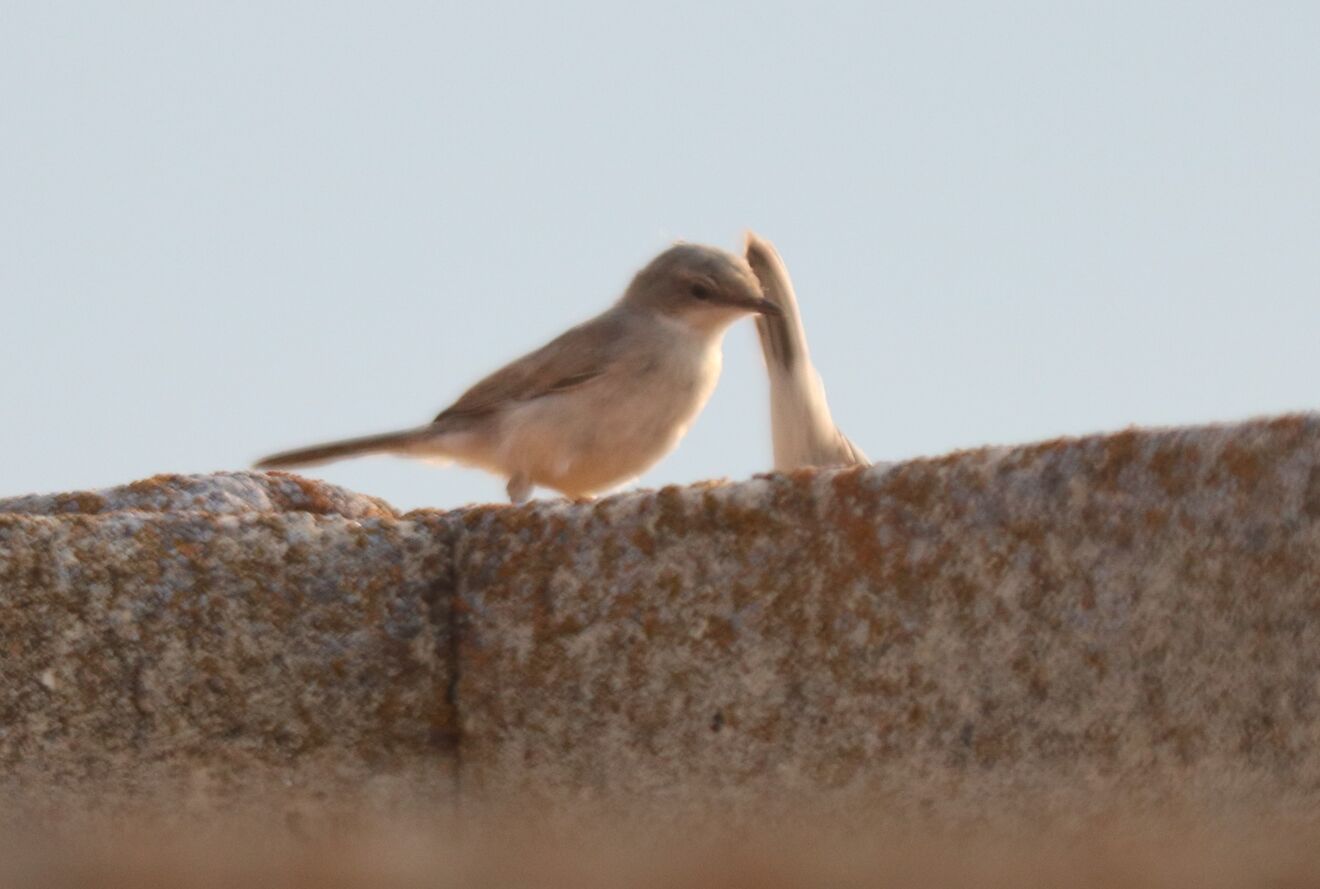
Жаскайрат Ермек: Садовая славка?
Руслан Абутрапов: Спасибо!
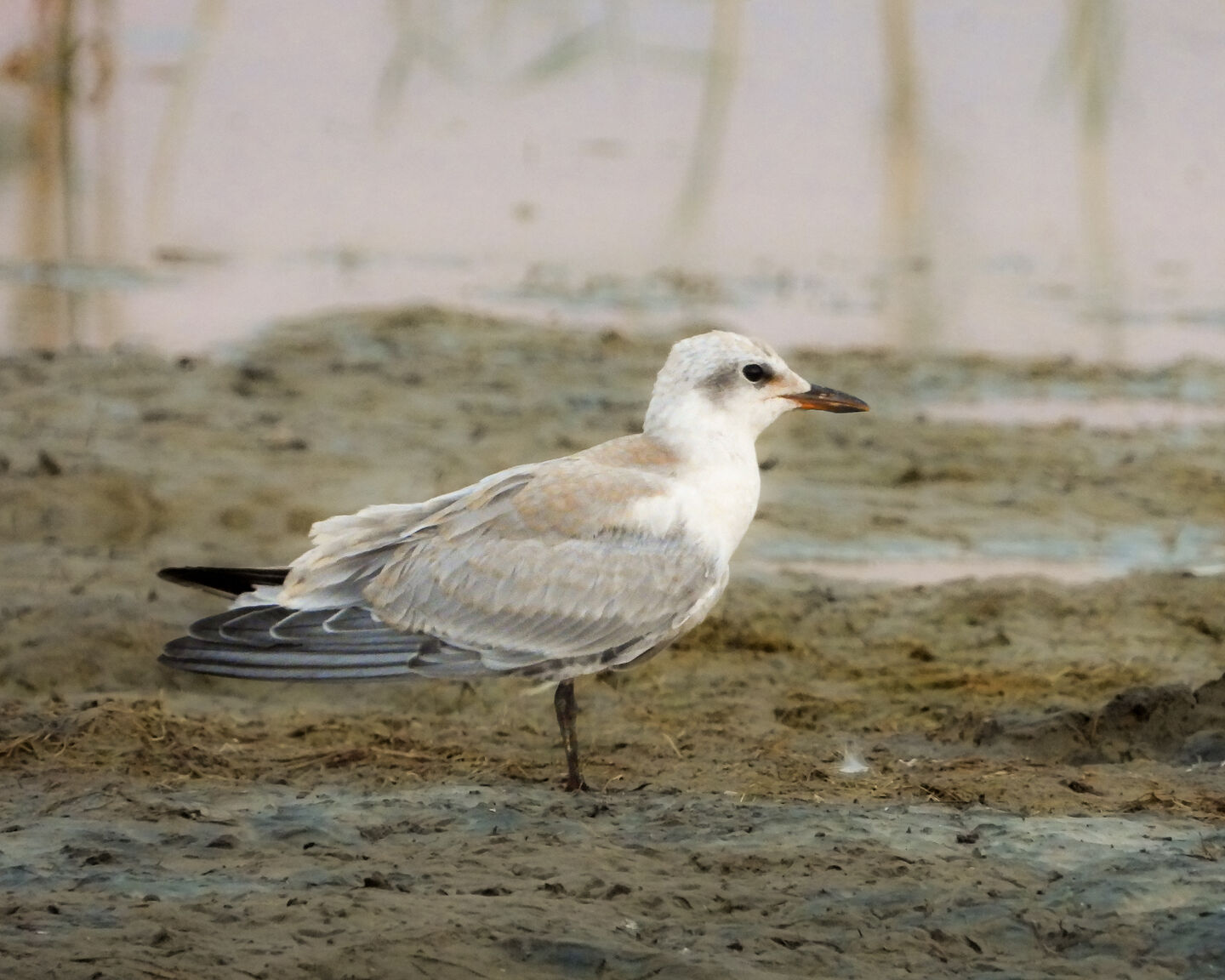
Анна Ясько: Чайконосая крачка.