
pictures
blog posts
search
classification:
Gaviiformes
Podicipediformes
Pelecaniformes
Ciconiiformes
Phoenicopteriformes
Anseriformes
Falconiformes
Galliformes
Gruiformes
Charadriiformes
Pterocletiformes
Columbiformes
Cuculiformes
Strigiformes
Caprimulgiformes
Apodiformes
Coraciiformes
Upupiformes
Piciformes
Passeriformes
Question on Sociable Lapwing: Migration and Nesting
2022-08-25| Jean Paul Roux
After a failure in 2019 to see the Sociable Lapwing in Kazakhstan, then 2 years of Covid, I found Alexandre Fedulin in Korgalzhyn in 2022 with the hope of observing this bird which has unfortunately become very rare.
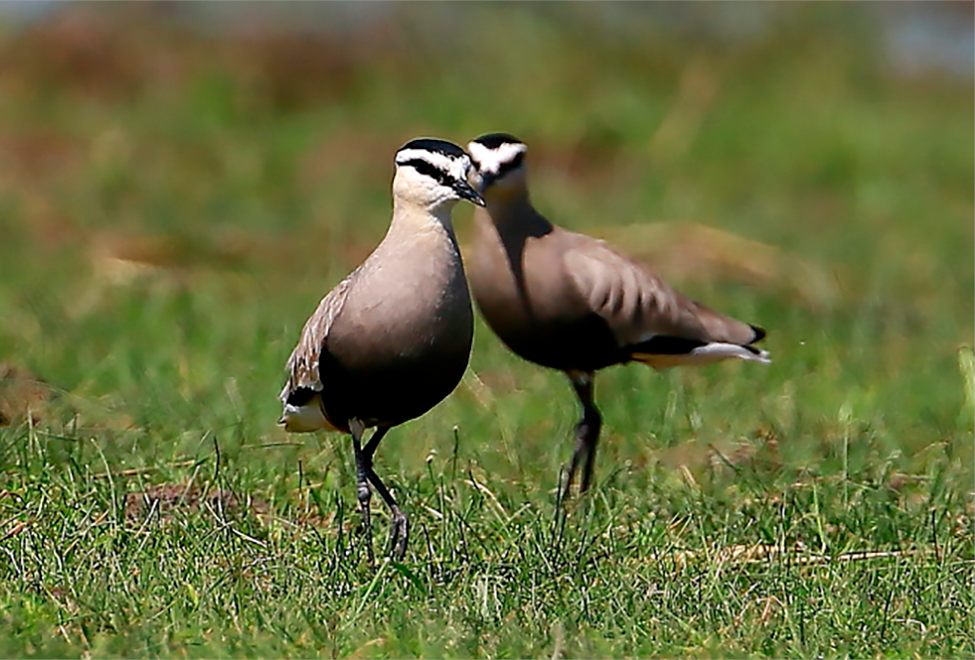
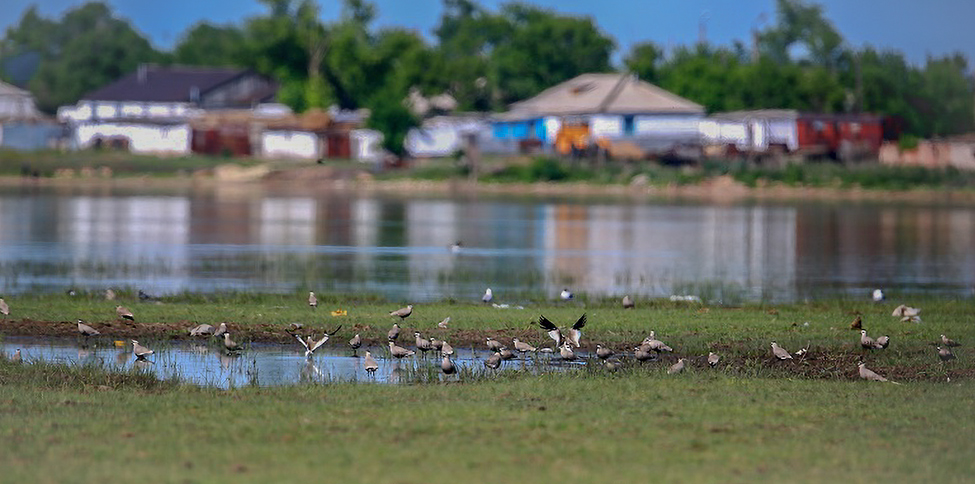
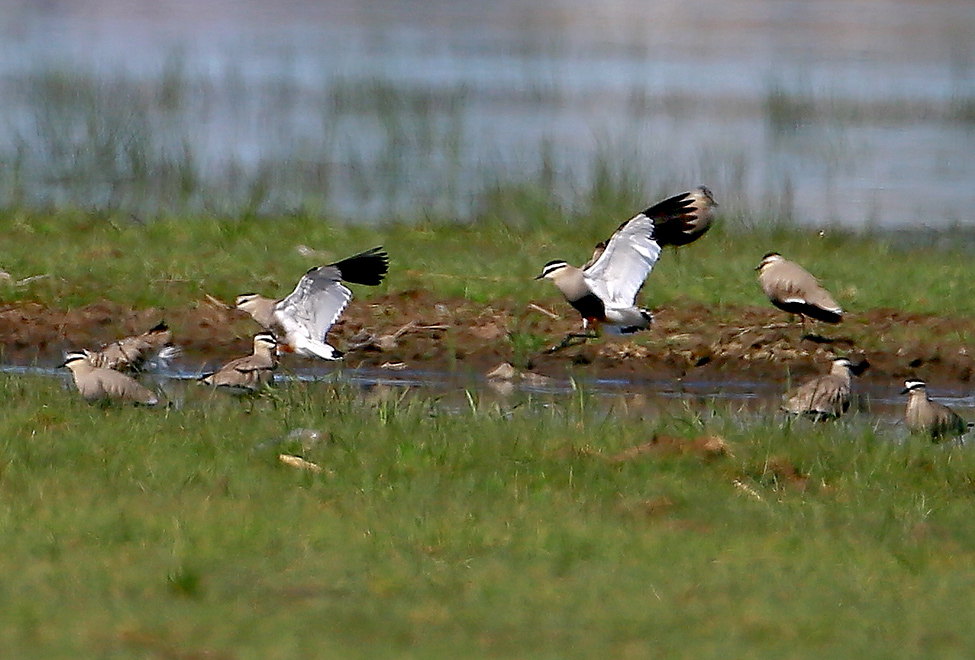
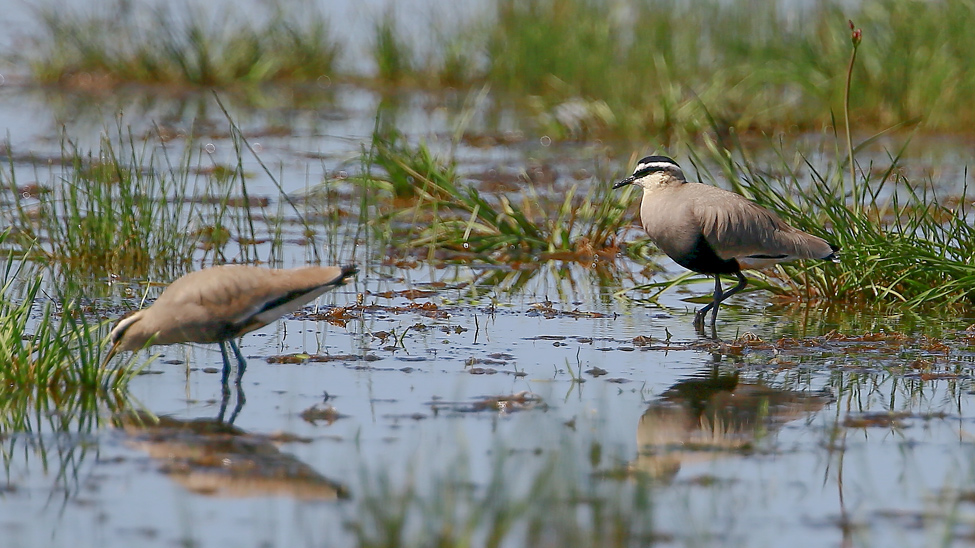
I was incredibly lucky because after 3 days of fruitless research, thanks to the perseverance and experience of Alexandre we found a flight of 160 Sociable Lapwing in front of us at the edge of a small lake.
We were able to observe them all day long, we stayed at a distance so as not to disturb them despite a herd of sheep, a shepherd on a motorbike, a fisherman who came to lift his nets, the Lapwings remained on site and in the afternoon they came 25m from our car.
However, I now have questions to which I have no answer.
We made this observation on June 7, the next day they had disappeared from the scene and continued their flight. I have read that Sociable Lapwings nest from late April to mid May and that the young fly from mid June to early July.
Looking closely at these birds I found, except to be mistaken, that they were all adults in breeding plumage and that there were therefore no young of the year in this group of 160 birds.
For Alexandre, these are adult Sociable Lapwings migrating to the nest.
I would like to have confirmation that this group of birds corresponds to a migrating flight leaving to nest in northern Kazakhstan or in Russia and where precisely. But I wonder because I think it's very late to go nest when it was already June 7th.
I know and appreciate the ''birds.kz'' site so I allow myself to ask my question on this site and hope that scientists and specialist ornithologists, if they read me, will be able to provide an answer to my questions based on a series of photos that I attached.
I would also like to say the pleasure as a Frenchman is that I have to share this experience with the ornithologists of Kazakhstan and to be able to testify to the existence of the Sociable Lapwing with a significant group of 160 individuals.
Thank you in advance to anyone who will take the time to read and respond.
Jean Paul Roux
1.
2.
3.
4.
5.
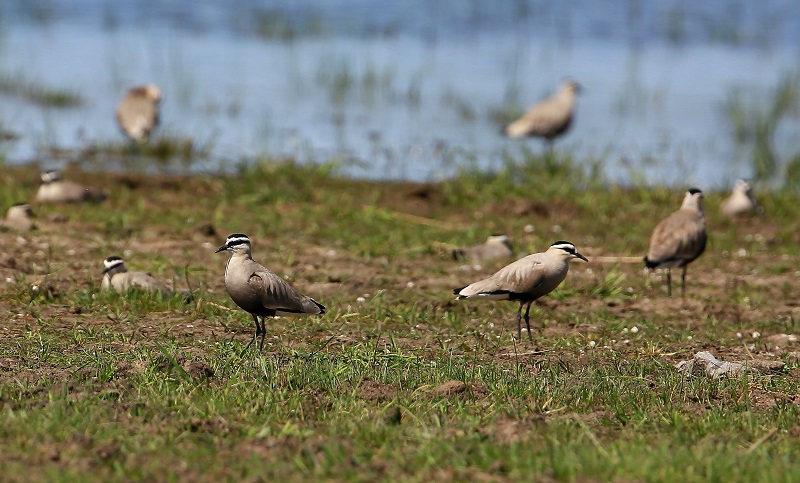
I received an answer from ornithologist Fyodor Karpov on a topic of interest: «I dealt with Sociable Lapwings in Kurgaldzhino only once in 2004 from June 11 to July 2. In that season (perhaps it always happens), the breeding period of Sociable Lapwings was greatly extended. We found nests with their clutches (along with already flying young ones) during the entire period of work. So on June 29, hatching was observed in one of the nests. At the same time, we also met wandering flocks of adult birds: June 17 - 17 individuals; June 21 - 32 individuals. The reasons, in my opinion, may be different - for example, after the loss of clutches (trampled by cattle, ruined by predators), adult birds gather in flocks and begin to roam around the area».
Получила ответ от орнитолога Федора Карпова на интересующую тему: «Кречетками в Кургальджино я занимался только один раз в 2004 г. с 11.06 по 2. 07. В тот сезон (возможно, это происходит всегда), размножение у кречеток было сильно растянуто. Гнезда с их кладками (наряду с уже лётными молодыми) мы находили в течение всего срока работ. Так 29.06 в одном из гнезд наблюдали вылупление. В тоже время нам встречались и бродячие стаи взрослых птиц: 17.06 - 17 особей; 21.06 - 32 особи. Причины, думаю, могут быть разными – например, после потери кладок (вытоптал скот, разорили хищники) взрослые птицы сбиваются в стаи и начинают кочевать по району».
calendar
2026
| jan | feb | mar | apr |
| may | jun | jul | aug |
| sep | oct | nov | dec |
| jan | feb | mar | apr |
| may | jun | jul | aug |
| sep | oct | nov | dec |
| jan | feb | mar | apr |
| may | jun | jul | aug |
| sep | oct | nov | dec |
| jan | feb | mar | apr |
| may | jun | jul | aug |
| sep | oct | nov | dec |
| jan | feb | mar | apr |
| may | jun | jul | aug |
| sep | oct | nov | dec |
| jan | feb | mar | apr |
| may | jun | jul | aug |
| sep | oct | nov | dec |
| jan | feb | mar | apr |
| may | jun | jul | aug |
| sep | oct | nov | dec |
| jan | feb | mar | apr |
| may | jun | jul | aug |
| sep | oct | nov | dec |
| jan | feb | mar | apr |
| may | jun | jul | aug |
| sep | oct | nov | dec |
| jan | feb | mar | apr |
| may | jun | jul | aug |
| sep | oct | nov | dec |
| jan | feb | mar | apr |
| may | jun | jul | aug |
| sep | oct | nov | dec |
| jan | feb | mar | apr |
| may | jun | jul | aug |
| sep | oct | nov | dec |
| jan | feb | mar | apr |
| may | jun | jul | aug |
| sep | oct | nov | dec |
| jan | feb | mar | apr |
| may | jun | jul | aug |
| sep | oct | nov | dec |
| jan | feb | mar | apr |
| may | jun | jul | aug |
| sep | oct | nov | dec |
| jan | feb | mar | apr |
| may | jun | jul | aug |
| sep | oct | nov | dec |
| jan | feb | mar | apr |
| may | jun | jul | aug |
| sep | oct | nov | dec |
| jan | feb | mar | apr |
| may | jun | jul | aug |
| sep | oct | nov | dec |
| jan | feb | mar | apr |
| may | jun | jul | aug |
| sep | oct | nov | dec |
| jan | feb | mar | apr |
| may | jun | jul | aug |
| sep | oct | nov | dec |
| jan | feb | mar | apr |
| may | jun | jul | aug |
| sep | oct | nov | dec |
| jan | feb | mar | apr |
| may | jun | jul | aug |
| sep | oct | nov | dec |
rare birds records
Squacco Heron (Ardeola ralloides)
© Andrey Kovalenko
2026-06-06
Almaty area, Sorbulak.
Great Snipe (Gallinago media)
© Vasilii Bastaev
2026-05-08
Karakol lake, Mangystau
Great Snipe (Gallinago media)
© Qanatbek Kenzhegulov
2026-04-14
Aktau, Mangystau region
Northern Wren (Troglodytes troglodytes)
© Alexandr Fedulin
2026-03-30
Big Year 2026
2. Aizhan Baitimbet (270)
3. Galym Baitimbet (267)
4. Zhaskairat Ermek (261)
5. Nikita Kanunnikov (228)
6. Gennadiy Dyakin (219)
7. Vladimir Muravskiy (219)
8. Andrey Kovalenko (196)
9. Sirimbet Zharilkasin (196)
10. Viktoriya Zvyaginceva (182)
unidentified birds
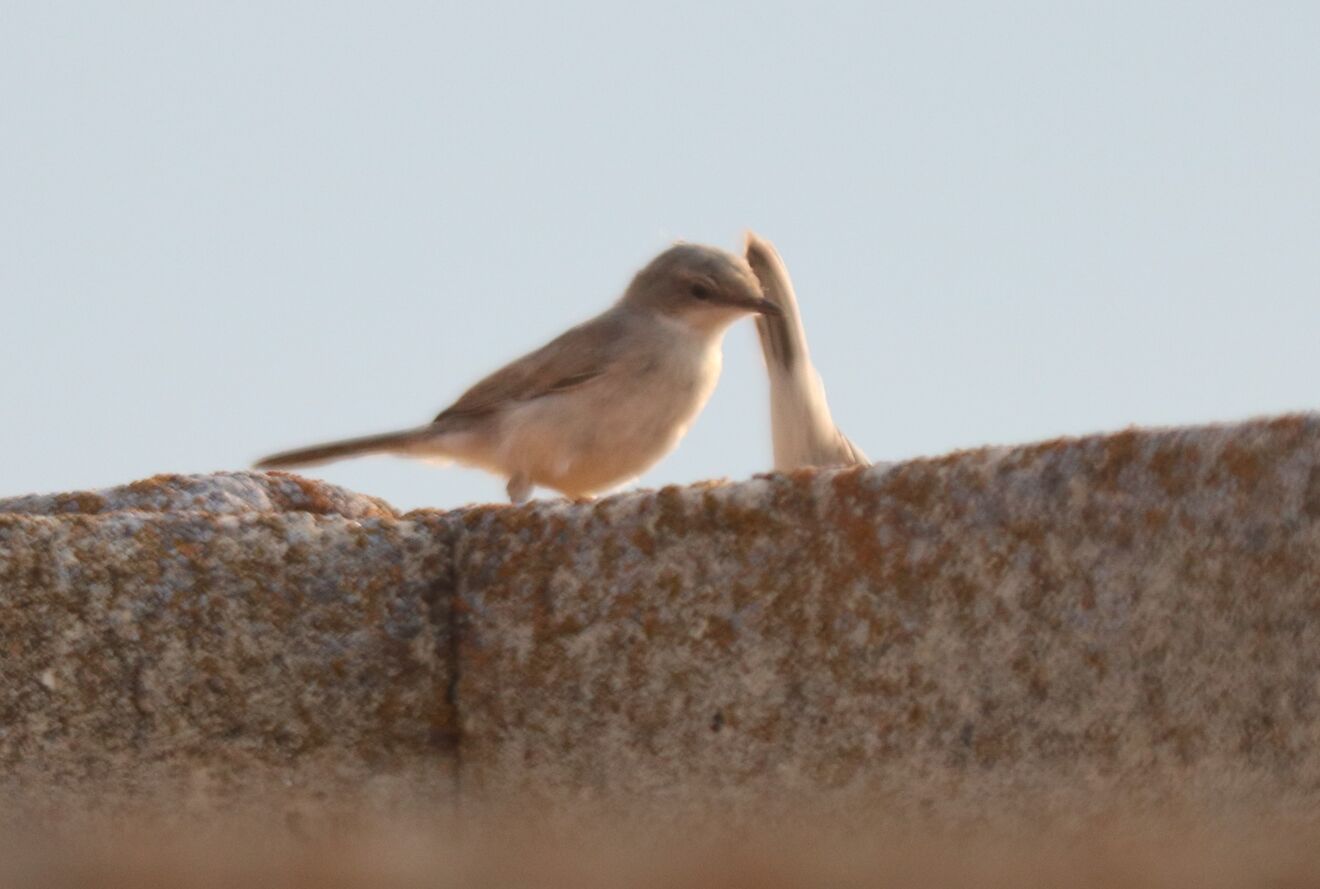
Жаскайрат Ермек: Садовая славка?
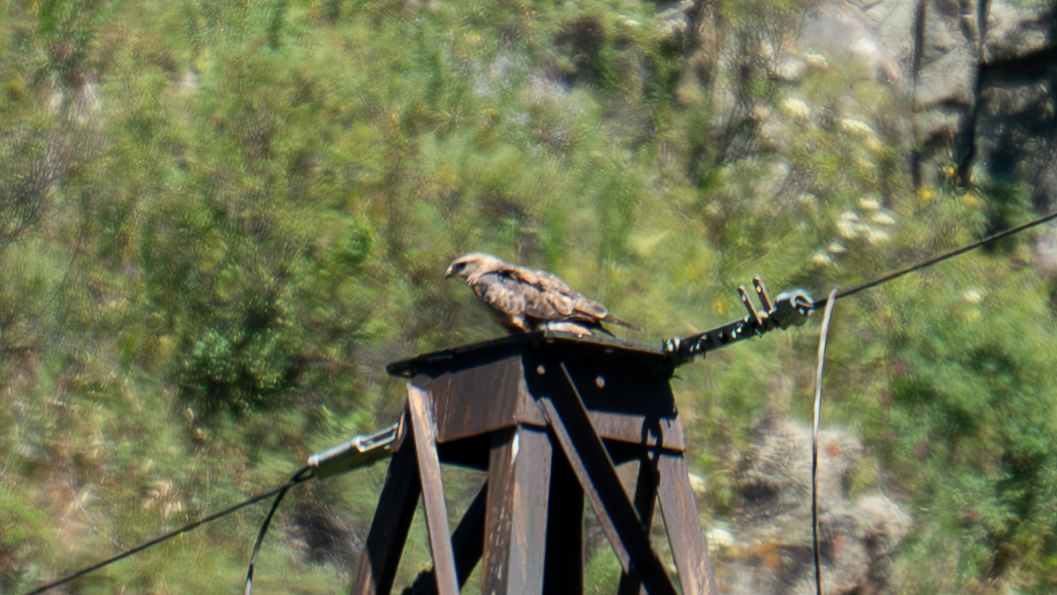
Руслан Абутрапов: Спасибо!
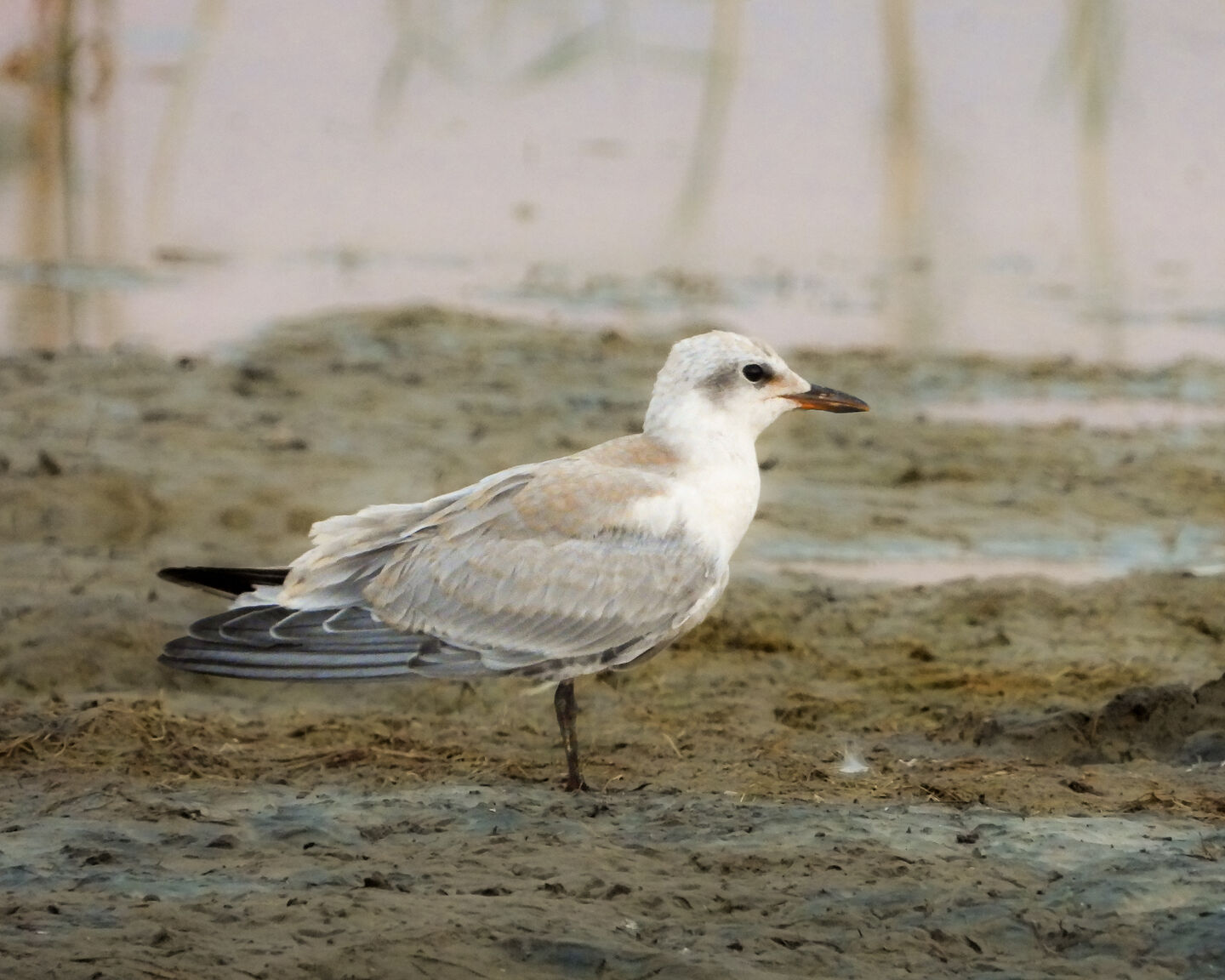
Анна Ясько: Чайконосая крачка.